Live: ---
Rail: 495.00-500.00 del

{{ weatherTemp }}°C
{{ weatherCity }}

AB Direct - Steers
AB Direct - Heifers
Live: ---
Rail: 495.00-500.00 del
Rail: 495.00-500.00 del
US Trade- Steers
Live: 220.000-221.00 (IA, NE)
Rail: 345.00-350.00 (NE, IA)
Rail: 345.00-350.00 (NE, IA)
US Trade - Heifers
Live: 220.000-221.00 (IA, NE)
Rail: 345.00-350.00 (NE, IA)
Rail: 345.00-350.00 (NE, IA)
Canadian Dollar
$70.50
0.00
0.00
June 1, 2026
Inspiration
Riverview Ranch preserves ecosystems, bolsters cattle health
While the Torrie family has over 100 years of ranching experience, they continue to look for new and innovative ways to manage their cattle and native prairieland.
Tyler Torrie and his wife Tausha, fifth generation ranchers, manage Riverview Ranch alongside Tyler’s parents David and Tami.
The operation just north of Grassy Lake is comprised of beef cattle, row crops including seed canola, beans and corn, leafcutter bee pollination, gravel and precast concrete. In total, the farm’s operations employ 25 people. The picturesque mixed farm sits where the Oldman River joins the Bow River to form the South Saskatchewan River.
At this location, the family manage 8,000 acres of grazed land. In 2025, they expanded their cattle herd by purchasing Bow Island Ranch, which is located along the southern edge of the South Saskatchewan River.
This farm adds about 3,000 acres of grazed land, where the Torries have implemented practices like rotational grazing and exclusion fencing to protect sensitive areas.
Caring for cattle and wildlife
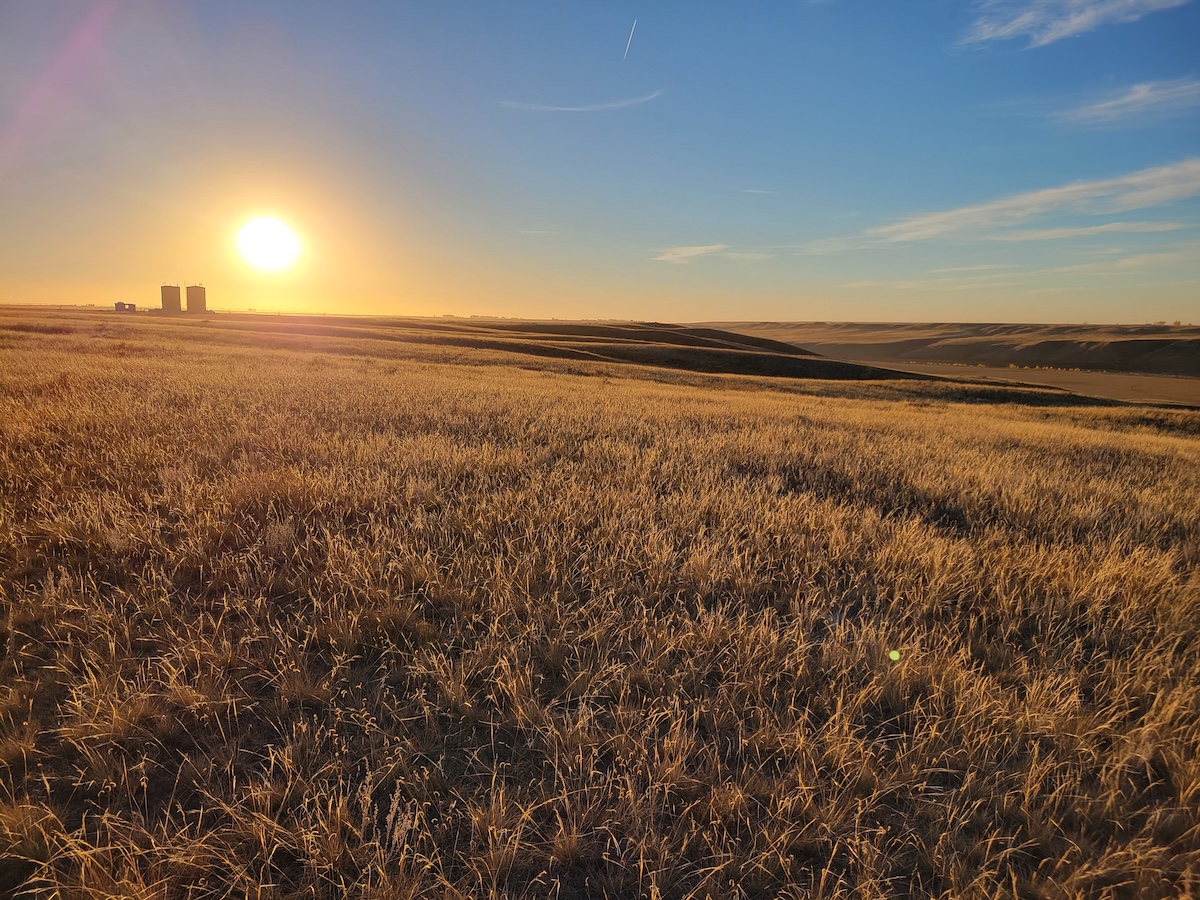
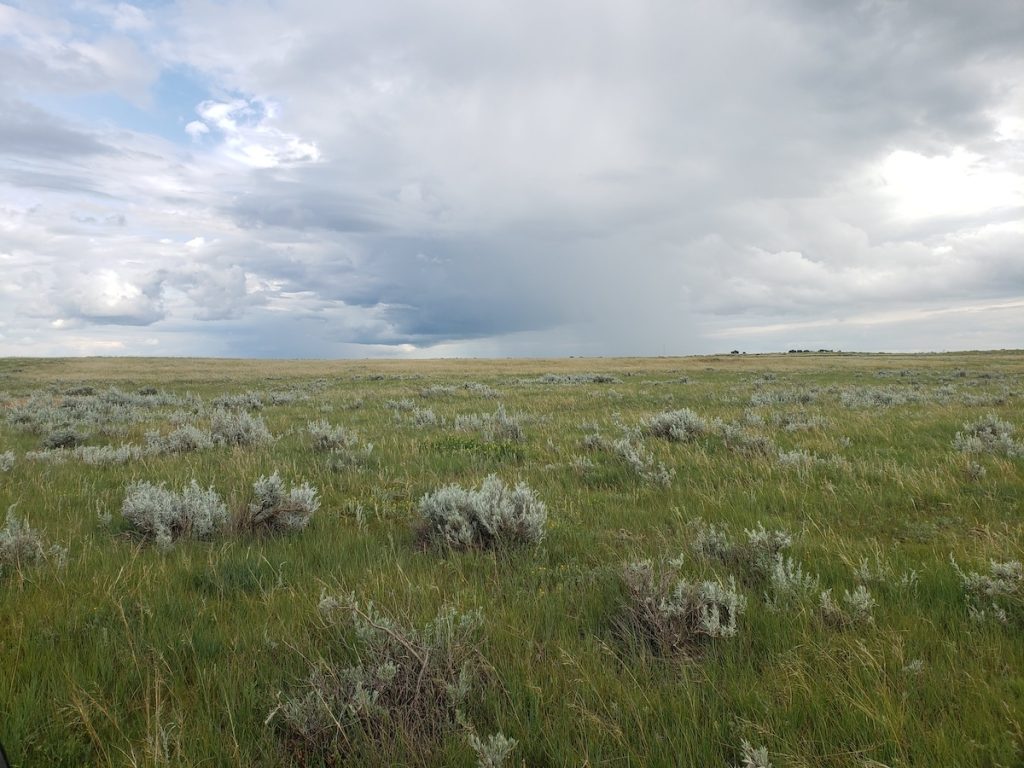
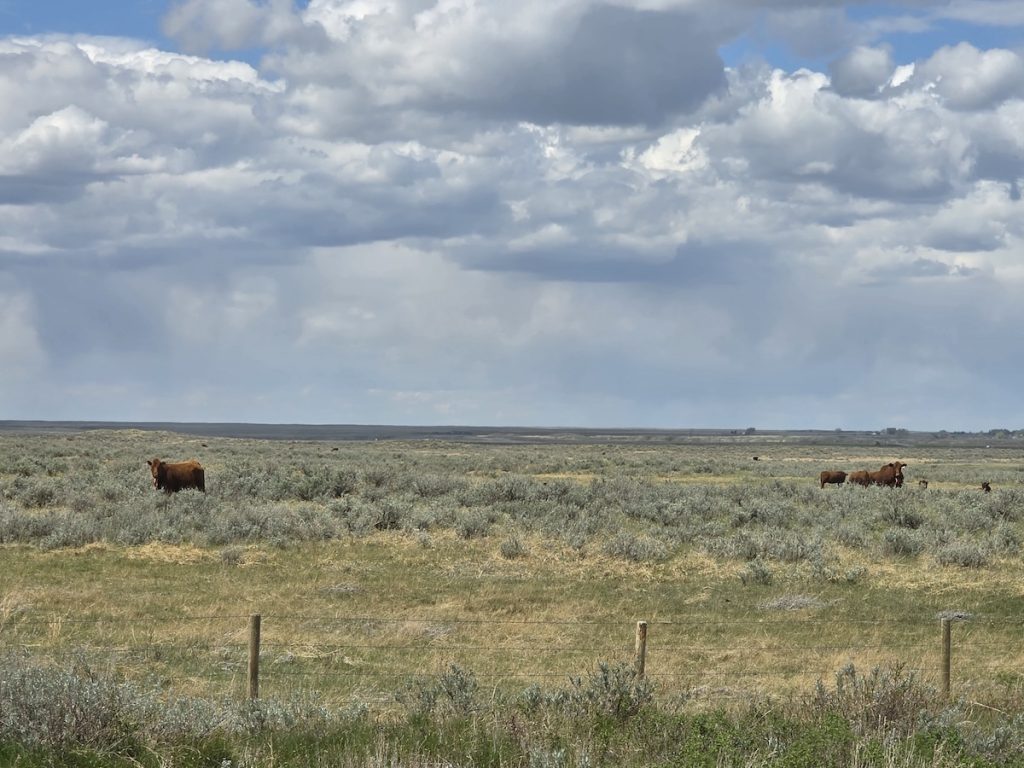
The Torries manage between 400 and 450 cow-calf pairs on this land, which is a unique combination of riverfront and native grass in an area that typically receives less than 350 millimetres of annual precipitation.
One of the most rewarding parts of the job is soaking in these natural landscapes.
“We have a lot of deer and antelope, and we have endangered species and snakes and coyotes and foxes, badgers, all of these animals,” Tyler says. “By ranching…we have a lot of pristine natural areas. I really enjoy being out there with the sagebrush and the grass.”
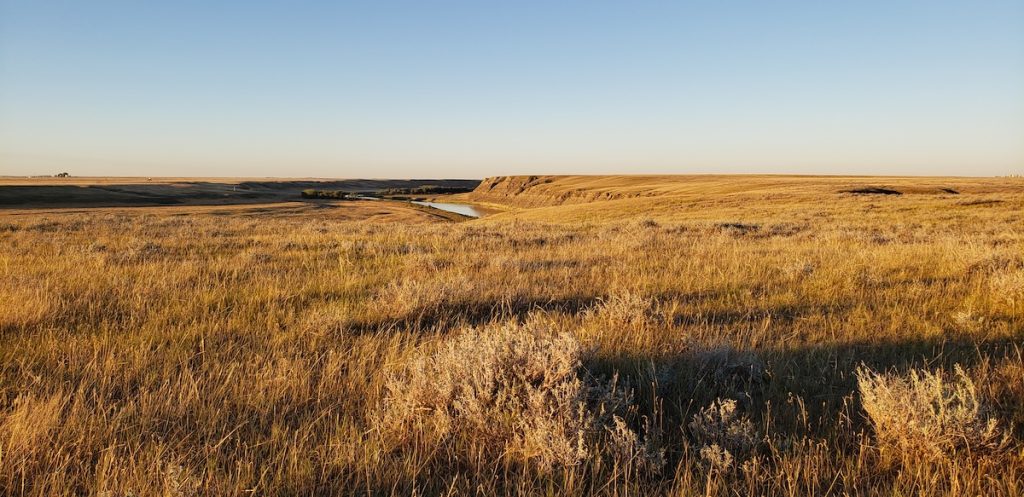
Indeed, the area is an important sturgeon spawning ground and habitat for at-risk mammals, birds, amphibians and plants.
Grazing innovations
With this beautiful geography comes some management challenges. Since the grasslands run alongside the riverbank for over 11 kilometres, containing the cattle with fencing can be an issue.
“Sometimes the cattle like to try and cross the river, or we have fences that break down, and they try to mix with the neighbour’s cattle, or we have a bull from the other side of the river sneak over to our side, and then we’ve got to quickly get him out of there before there are problems,” Tyler says.
Indeed, maintaining fencing on these large expanses of land with cliffs, coulees and valleys is time consuming, expensive and sometimes, just not feasible.
Fortunately, through research and development, virtual fencing is becoming a practical reality on Alberta ranches. With support from the Canadian Forage and Grassland Association through the On-Farm Climate Action Fund, the Torries have trialed the eShepherd system by Gallagher.
The system uses GPS-enabled collars and a mobile application to create digital paddocks that can be adjusted in real time. The cattle learn how to respect the virtual fencing boundaries through audio cues and mild pulses.
With this funding, the family was also able to acquire solar water troughs, which help protect water quality by pumping water that cattle can drink away from sources.
By making smaller pastures and moving the animals regularly, the land can rest and rejuvenate, which is important for long-term environmental sustainability.
Safeguarding ecosystems
The collars enable Tyler and his family to observe the cattle’s natural grazing behaviours through heat maps generated by GPS data. These advancements are all part of better utilizing the land and protecting sensitive ecosystems through more precise and calculated grazing management.
“We’re now starting to do a lot more minute movements of the animals through the prairie and trying to rotationally graze better,” Tyler says. “Hopefully we can use the grass more effectively and graze areas that they wouldn’t typically graze and also manage the areas around water sources where they may overgraze.”
Grazing is a win-win-win
Preserving native grasslands provides ecosystem services, habitat for wildlife, recreational opportunities for people, a connection to the past, and ultimately, high-quality forages for livestock.
“The best way to use the land is to just keep it the way it is and manage it like it would have been in the past,” Tyler says. “I think there’s a lot of value in preserving these lands. It makes me smile each time I drive out there and I can’t see anything as far as the eye can see, it’s just native prairie.”
At Riverview Ranch, the cows have their calves in May and June out on pasture with minimal intervention required. The cattle thrive in this natural hands-off approach.
“We try to give our animals the best possible natural experience,” Tyler says. “There are ways to do it in which you’re taking care of the animals, you’re taking care of the land while we’re still also providing food for people. And I think it’s that balance and that equilibrium that’s a good way to do it.”
To celebrate the International Year of Rangelands and Pastoralists (IYRP), Alberta Beef Producers highlights the hardworking ranchers who steward some of the province’s most sensitive ecosystems and raise the best beef in the world. IYRP 2026, declared by the United Nations, aims to raise awareness of the vital importance of rangelands and the pastoralists who are their frontline custodians.
Share this article on



You might also be interested in
-
February 25, 2026 Inspiration
Why the International Year of Rangelands and Pastoralists matters to Alberta ranchers
-
October 14, 2025 Health & Production
RDAR expands grazing program to include virtual fencing
-
August 7, 2024 Innovation & Technology
Virtual fencing on a Canadian landscape
Cattle Report
Updated: October 2, 2026
Steers
Live: ---
Rail: 495.00-500.00 del
Heifers
Live: ---
Rail: 495.00-500.00 del
Choice Steers
Live: 220.000-221.00 (IA, NE)
Rail: 345.00-350.00 (NE, IA)
Choice Heifers
Live: 220.000-221.00 (IA, NE)
Rail: 345.00-350.00 (NE, IA)
Boner Cows
Over 500 lbs: 268.01
Canadian Dollar
$70.50 0.00
Livestock Price Insurance Index
| Expiry | Fed | Feeder | Calf |
|---|---|---|---|
| 25-Jan-27 | 286 | 460 | -- |
| 22-Feb-27 | 286 | 452 | -- |
| 22-Mar-27 | 288 | 450 | -- |
| 19-Apr-27 | 294 | 446 | -- |
| 17-May-27 | 300 | 452 | -- |
| 14-Jun-27 | 304 | 456 | -- |
| - | - | - | - |
Last Updated on October 1, 2026