Live: ---
Rail: ---

{{ weatherTemp }}°C
{{ weatherCity }}

AB Direct - Steers
AB Direct - Heifers
Live: ---
Rail: ---
Rail: ---
US Trade- Steers
Live: ---
Rail: ---
Rail: ---
US Trade - Heifers
Live: ---
Rail: ---
Rail: ---
Canadian Dollar
$70.44
0.17
0.17
October 7, 2026
Health & Production
What producers should know about nitrates in forage
When feed supplies are tight, every bale and every tonne of silage counts. But after a growing season affected by drought, heat, hail or frost, it’s worth paying attention to more than just yield.
Under certain conditions, forage crops can accumulate nitrates. While it’s not a concern every year, elevated nitrate levels can create challenges when those feeds are incorporated into winter rations.
Weather can play a role
Nitrate accumulation is often the result of plant stress.
Drought is one of the most common causes, but frost, hail damage, prolonged cloudy weather and extreme heat can also contribute. In some cases, rainfall after a dry period may increase nitrate uptake as plants pull available nitrogen from the soil.
How much nitrate accumulates depends on the crop, growing conditions, fertility levels, and the timing of weather events.
Why nitrates matter
The concern with nitrates is their impact on cattle.
When cattle consume feed containing high nitrate levels, those nitrates are converted to nitrites in the rumen. Nitrites reduce the blood’s ability to carry oxygen, which can lead to poor performance, reproductive problems and, in severe cases, death.
The risk depends on nitrate concentration in the feed, the overall ration and how cattle are introduced to it.
Which crops are most at risk?
Several common forage crops can accumulate nitrates under the right conditions.
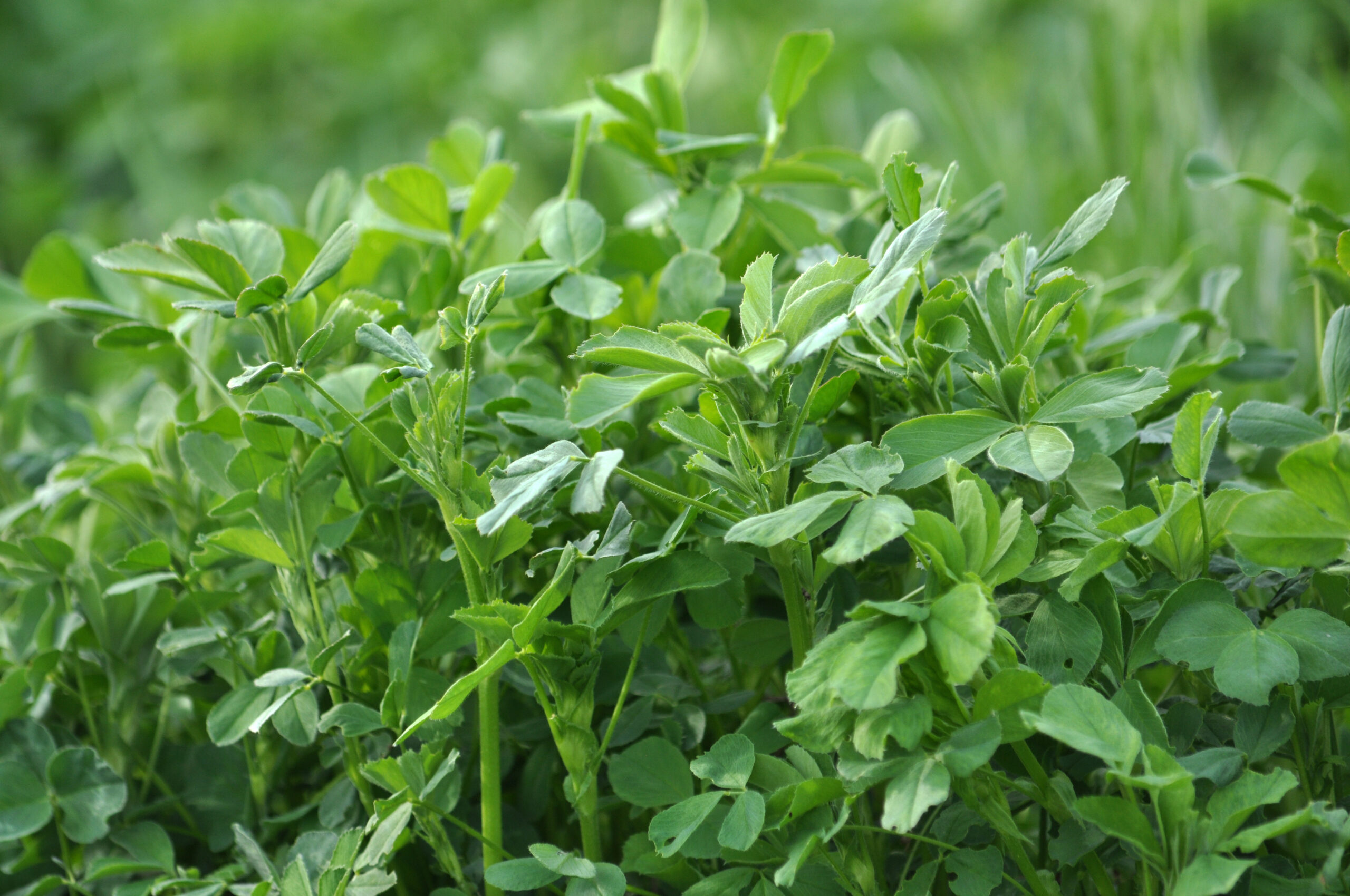
Annual cereals such as oats, barley, wheat and triticale are often associated with nitrate concerns. Corn, millet sorghum, brassicas and some greenfeed crops can also be affected. Weeds such as kochia and lamb’s-quarters may contribute additional nitrates when present in harvested feed.
Looking back at how a crop grew throughout the season can help identify feeds that may deserve a closer look before they go into the ration.
Looking beyond the yield
A good crop isn’t always a trouble-free crop.
Forage that has been through significant weather stress may still produce a respectable yield, but that doesn’t guarantee there aren’t other factors to consider. Nitrate levels are just one piece of the puzzle, particularly in areas that experience challenging growing conditions this year.
Heading into feeding season
Not every stress-affected forage crop will have nitrate issues. However, after a season marked by weather extremes, it’s something producers may want to keep on the radar.
Knowing what went into the feed pile and how those crops performed throughout the growing season can help avoid surprises once cattle are on feed for the winter.
Leave a Comment

Latest News
-
October 7, 2026 News
Harvest progress jumps as Alberta producers make up ground
-
October 7, 2026 Health & Production
What producers should know about nitrates in forage
-
October 6, 2026 Checking in with ABP
Alberta cattle markets remain strong and steady
Cattle Report
Updated: October 7, 2026
Steers
Live: ---
Rail: ---
Heifers
Live: ---
Rail: ---
Choice Steers
Live: ---
Rail: ---
Choice Heifers
Live: ---
Rail: ---
Boner Cows
Over 500 lbs: 267.77
Canadian Dollar
$70.44 0.17
Livestock Price Insurance Index
| Expiry | Fed | Feeder | Calf |
|---|---|---|---|
| 25-Jan-27 | 286 | 460 | -- |
| 22-Feb-27 | 286 | 452 | -- |
| 22-Mar-27 | 288 | 450 | -- |
| 19-Apr-27 | 294 | 446 | -- |
| 17-May-27 | 300 | 452 | -- |
| 14-Jun-27 | 304 | 456 | -- |
| - | - | - | - |
Last Updated on October 1, 2026

Add abpdaily.com to your home screen
Tap the menu button next to the address bar or at the bottom of your browser.
Select ‘Install’ or ‘Add to Homescreen’ to stay connected.
Share this article on
About the Author
Kara grew up on a grain farm near Bow Island, Alta. After studying at SAIT and the University of Calgary, where she earned a degree in communication and media studies and a diploma in broadcast news, she began her career in agricultural communications and journalism.