Live: ---
Rail: 495.00-500.00 del

{{ weatherTemp }}°C
{{ weatherCity }}

AB Direct - Steers
AB Direct - Heifers
Live: ---
Rail: 495.00-500.00 del
Rail: 495.00-500.00 del
US Trade- Steers
Live: 218.00 (IA, NE)
Rail: 345.00 (NE, IA)
Rail: 345.00 (NE, IA)
US Trade - Heifers
Live: 218.00 (IA, NE)
Rail: 345.00 (NE, IA)
Rail: 345.00 (NE, IA)
Canadian Dollar
$70.27
0.26
0.26
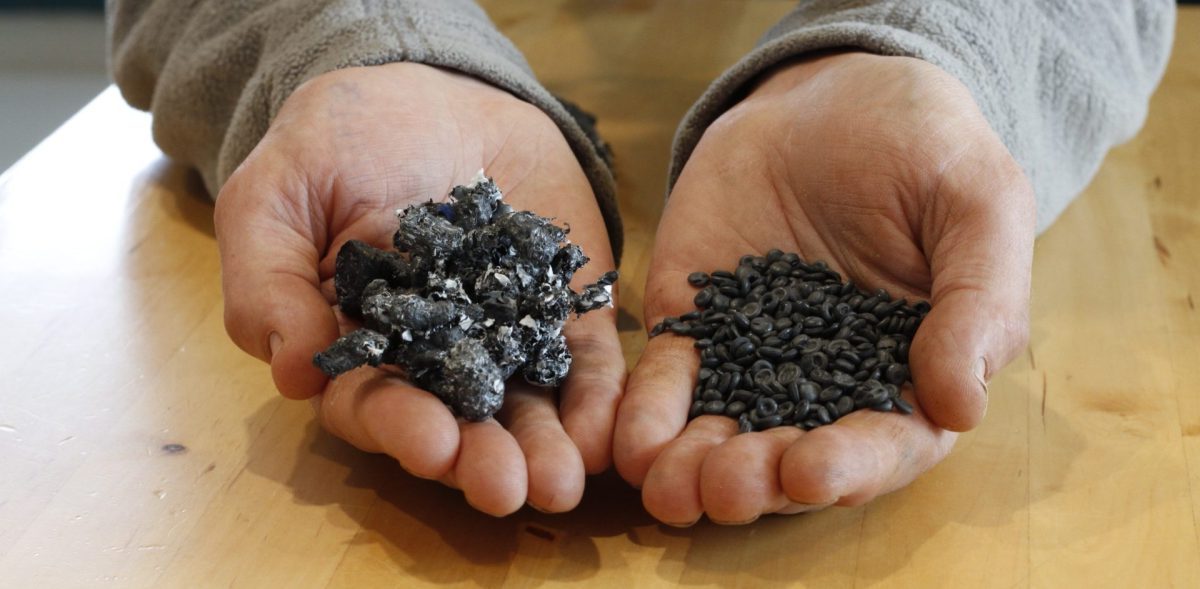
Recycling manufacturers take agricultural plastics through a series of steps including cleaning, shredding, and melting/extrusion. The process ends with the formation of small, uniform pellets, which can then be used as a raw material for new products.
July 13, 2026
Checking in with ABP
Giving agricultural plastics a second life
Agricultural plastics are part of everyday life on farms and ranches. Thanks to expanding recycling programs, materials like grain bags, baler twine and net wrap can be transformed into new products instead of ending up in landfills.
Alberta farmers use an estimated 14,000 tonnes of agricultural plastics each year, including about 2,200 tonnes of baler twine. From pesticide and fertilizer containers, grain bags, plastic baler twine, to bale wrap, silage bags, and bunker covers, plastic is a large component of agriculture, including for beef producers. But unlike many household plastics, agricultural plastics often require specialized recycling programs.
These options are continually growing. Clean Farms was created as a solution to this overwhelming problem. As a national not-for-profit stewardship organization, Clean Farms runs recycling programs for ag plastics across Canada. Starting in 2010 to manage and take over what was previously called the Small Container Program, Clean Farms began by facilitating the recycling of crop protection products, such as pesticide and fertilizer small containers as well as big bulk containers.
The business began to expand and then in 2019, Clean Farms collaborated on a pilot project, called Alberta Ag-Plastic. Recycle It!, to recycle grain bags and baler twine. The pilot program, which originally began as a three year pilot, has been extended three times now until the end of 2027.
Alberta Ag-Plastic. Recycle It! is led by the multi-stakeholder Agriculture Plastics Recycling Group and operated by Clean Farms. The funds for this program were granted by the Government of Alberta and administered by Alberta Beef Producers.
Extended Producer Responsibility
Davin Johnson is the Alberta Programs Advisor for Clean Farms. Clean Farms pilot project runs by Extended Producer Responsibility (EPR), an approach that places the responsibility of recycling on the producer of the plastic material.
“With EPR, it basically says that the brand owners have to pay per unit that they put into the market, and that gets remitted to a producer responsibility organization, like Clean Farms, and then they run the program on behalf of everyone,” explains Johnson.
Clean Farms works with producers to collect the recyclable materials and then uses a third party transport service to get the materials to the recycling facilities. It’s at these facilities that the plastic materials are then broken down and created into something new.
Recycling: What your plastic turns into
Recycling plastic involves a series of steps including: sorting, cleaning, shredding, and melting/extrusion. The process ultimately ends in the formation of small, uniform pellets, which can be used as a raw material for new products.
There are two recyclers for grain bags in Alberta.
Grain bags are turned into other film plastics, like silage bags or garbage bags.
Devon Kalinksi is a producer in the MD of Bonnyville where CleanFarms is working with the district to collect grain bags for recycling.
“Each spring they come out with their trailer and scoop up the grain bags, roll them up, and then take them away to be recycled,” says Kalinski.
“It’s really convenient that it’s an MD program that is offered to producers for free.”
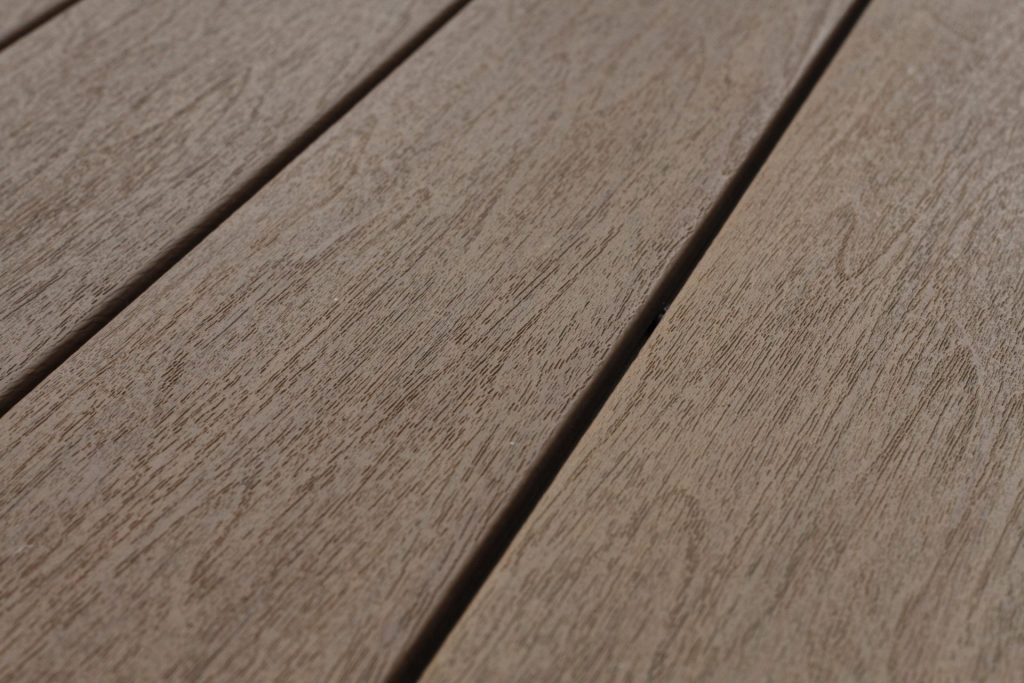
Twine is also a recyclable product with Clean Farms. Twine is made of polypropylene, which is a plastic that can be easily remanufactured into new products such as car parts, dimensional lumber, flowerpots and composite decking.
Down the road, as technology continues to evolve, twine may be remanufactured back into new baler twine, a process that fuels the emerging regenerative circular economy and contributes to farmers’ sustainability goals.
Davin says that this is the number one question he gets from beef producers.
“We are actively working on finding a solution,” says Johnson.
The challenge with net wrap, Davin explains, is since the plastic is very thin netting, it retains a lot more organic material.
“So when you grab it and put it in a bag, it’s half plastic, half organic,” says Johnson.
The extra organic materials cause problems in the recycling process, such as jamming machines.
“The technology exists, it works, it just doesn’t work on an economic scale yet,” says Johnson.
Looking Forward
Agriculture plastic recycling has come a long way because of initiatives like these. As more farmers and ranchers take part in these recycling programs, more research can be be put into expanding recycling options and offering more collection sites. Last year alone, Clean Farms collected and recycled more than 5.2 million empty pesticide and fertilizer containers and nearly 300,000 empty seed and pesticide bags were returned. As technologies continue to advance, the future of farms really is looking clean.
Share this article on




You might also be interested in
-
March 31, 2023 Checking in with ABP
‘Alberta Ag-Plastic. Recycle it!’ gaining ground recovering ag plastics for recycling
Cattle Report
Updated: October 9, 2026
Steers
Live: ---
Rail: 495.00-500.00 del
Heifers
Live: ---
Rail: 495.00-500.00 del
Choice Steers
Live: 218.00 (IA, NE)
Rail: 345.00 (NE, IA)
Choice Heifers
Live: 218.00 (IA, NE)
Rail: 345.00 (NE, IA)
Boner Cows
Over 500 lbs: 268.04
Canadian Dollar
$70.27 0.26
Livestock Price Insurance Index
| Expiry | Fed | Feeder | Calf |
|---|---|---|---|
| 04-Jan-27 | -- | -- | -- |
| 01-Feb-27 | 288 | 456 | -- |
| 01-Mar-27 | 286 | 450 | -- |
| 29-Mar-27 | 290 | 448 | -- |
| 26-Apr-27 | 296 | 444 | -- |
| 24-May-27 | 304 | 450 | -- |
| 21-Jun-27 | 302 | 454 | -- |
Last Updated on October 8, 2026