Live: ---
Rail: 542.00-543.50 FOB feedlot (last week)

{{ weatherTemp }}°C
{{ weatherCity }}

AB Direct - Steers
AB Direct - Heifers
Live: ---
Rail: 542.00-543.50 FOB feedlot (last week)
Rail: 542.00-543.50 FOB feedlot (last week)
US Trade- Steers
Live: 245.00 (NE) 245.00-246.00 (TX, KN) last week
Rail: 380.00-386.00 (NE, IA) last week
Rail: 380.00-386.00 (NE, IA) last week
US Trade - Heifers
Live: 245.00 (NE) 245.00-246.00 (TX, KN) last week
Rail: 380.00-386.00 (NE, IA) last week
Rail: 380.00-386.00 (NE, IA) last week
Canadian Dollar
$72.09
0.17
0.17
February 25, 2026
Inspiration
Why the International Year of Rangelands and Pastoralists matters to Alberta ranchers
Editor’s Note: 2026 is the International Year of Rangelands and Pastoralists, declared by the United Nations. This column by Dr. Barry Irving explores what that means for Alberta ranchers and why engagement matters. Watch for additional IYRP-related content in the months ahead.
How the IYRP came to be
The International Year of Rangelands and Pastoralists (IYRP) was conceived in the minds of a small group of rangeland specialists and was first brought forward at the International Rangeland Congress in Hohhot, China, in 2008.
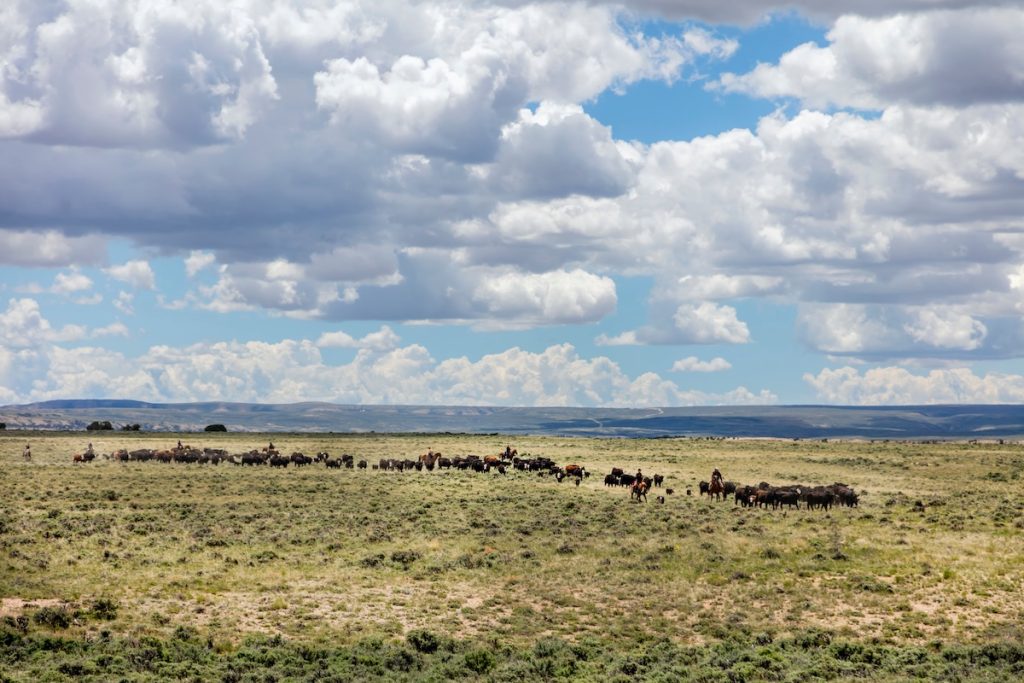
It ruminated for some time while an international support group was assembled, which successfully navigated it through four stages of United Nations (UN) committees for formal proclamation by the UN in 2021.
Along the way, the IYRP was endorsed through letters of support from over 100 nations (one of which was Canada) and more than 300 significant non-government organizations (20 of which are from Canada). Canadians made significant contributions in the drive to have the IYRP proclaimed.
A platform for education, celebration and policy
The question now is: Why is the IYRP important to Canadians — and specifically to the Canadian rancher (or, in this case, the Alberta rancher)?
International Years serve several functions. They can be platforms for:
- Education (only three per cent of Canadians have a direct tie to agriculture),
- Celebration (we should celebrate success stories and especially focus on sharing them with the 97 per cent of Canadians who are not directly tied to agriculture), and
- Advancing policy toward positive outcomes (for rangelands and ranchers — the Canadian term for “pastoralists”).
The IYRP will take different pathways in different countries, as every country — and even regions within countries — will face different challenges.
In Canada, we could choose to be aloof in our strength, believing that we do not need an IYRP and that the UN has done little for us.
Or we could embrace the opportunity, taking advantage of the UN’s step toward recognizing the value of a sustainable livestock industry (by proclaiming the IYRP) and the support group that is actively advocating for further recognition.
The global community can learn from sustainable livestock rearing practices that are commonplace in Canada, and Canadians can influence the global dialogue and how it is presented to urban audiences. If we choose not to engage, we may be missing a generational opportunity that we are unlikely to get again.
Challenges facing Canadian rangelands
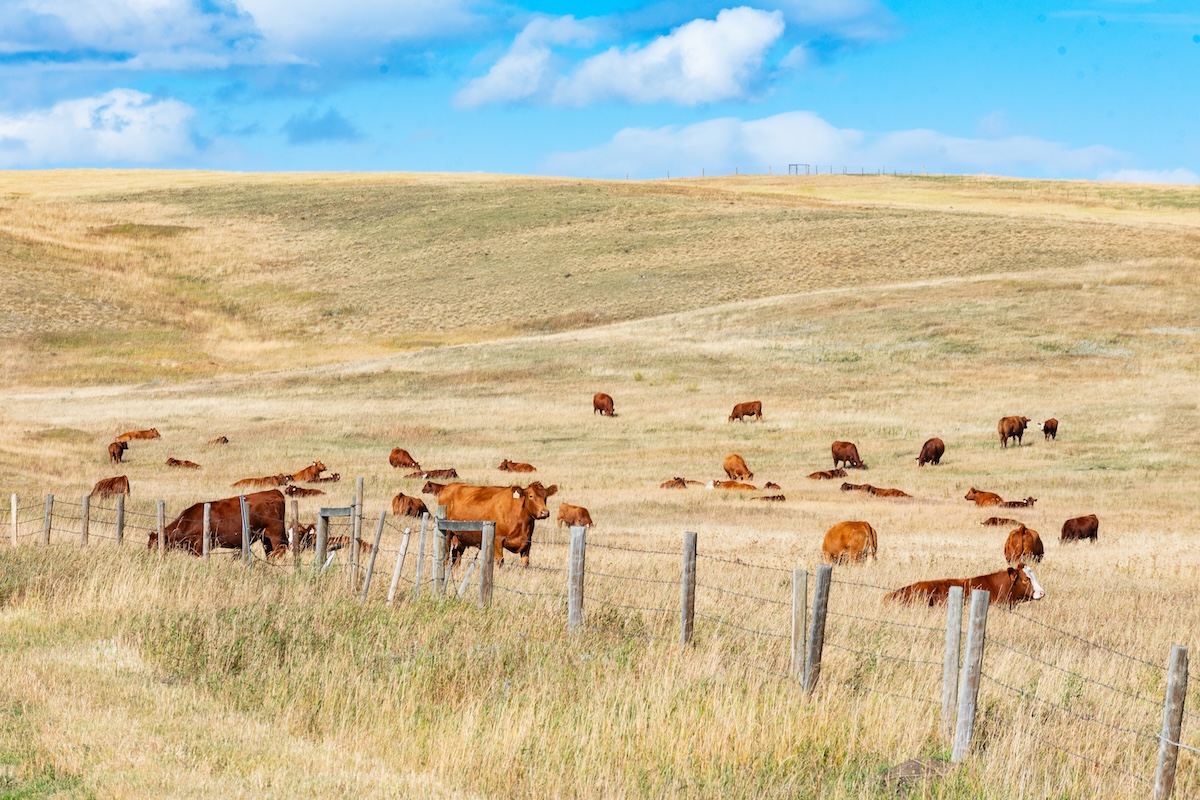
Canadian rangelands continue to be under threat from a multitude of challenges. The loss of ranch lands to cultivation and land conversion is a major problem in Canada. This may be the result of a combination of economics, lifestyle, and/or succession — but the impact is clear: we continue to lose ranchers and rangelands across the Canadian Prairies.
On rangelands in the more mesic zones of the Prairies that are not lost to cultivation, we face tree and brush encroachment and infill (resulting in loss of forage). We also face plant community challenges, including increasing competition from emerging weed threats.
Our southern Alberta rangelands, for example, were once considered weed-resistant and are now showing early signs of invasion by annual bromes. Annual bromes occupy vast areas of western North America (west of the Rockies) and now appear to have evolved to compete with our perennial rangelands of the northern Great Plains.
Opportunity for progress
We do have research addressing many of the challenges impacting our rangelands, but we have lost the extension service that was once the envy of the world at both the provincial and federal levels. There are many challenges within Canada for which the IYRP can serve as a platform for improvement.
So, the International Year of Rangelands and Pastoralists is here. In the old analogy of a tennis match, the ball is in our court — and what we choose to do with it is up to us.
Share this article on



Latest News
-
April 6, 2026 Checking in with ABP
Canfax Weekly Article | Report for the week of April 6, 2026
-
April 2, 2026 Checking in with ABP
Incorporating the leptin gene in breeding and feedlot decisions
-
March 31, 2026 Checking in with ABP
Strychnine emergency use approved for Alberta and Saskatchewan producers
Cattle Report
Updated: April 6, 2026
Steers
Live: ---
Rail: 542.00-543.50 FOB feedlot (last week)
Heifers
Live: ---
Rail: 542.00-543.50 FOB feedlot (last week)
Choice Steers
Live: 245.00 (NE) 245.00-246.00 (TX, KN) last week
Rail: 380.00-386.00 (NE, IA) last week
Choice Heifers
Live: 245.00 (NE) 245.00-246.00 (TX, KN) last week
Rail: 380.00-386.00 (NE, IA) last week
Boner Cows
Over 500 lbs: 326.98
Canadian Dollar
$72.09 0.17
Livestock Price Insurance Index
| Expiry | Fed | Feeder | Calf |
|---|---|---|---|
| 29-Jun-26 | 330 | 492 | -- |
| 27-Jul-26 | 324 | -- | -- |
| 24-Aug-26 | 318 | 494 | -- |
| 21-Sept-26 | 312 | 492 | 600 |
| 19-Oct-26 | 304 | 488 | 602 |
| 16-Nov-26 | 296 | 480 | 596 |
| 14-Dec-26 | 300 | 470 | 596 |
Last Updated on April 2, 2026