Live: ---
Rail: ---

{{ weatherTemp }}°C
{{ weatherCity }}

AB Direct - Steers
AB Direct - Heifers
Live: ---
Rail: ---
Rail: ---
US Trade- Steers
Live: ---
Rail: ---
Rail: ---
US Trade - Heifers
Live: ---
Rail: ---
Rail: ---
Canadian Dollar
$71.36
0.06
0.06
October 7, 2026
News
Harvest progress jumps as Alberta producers make up ground
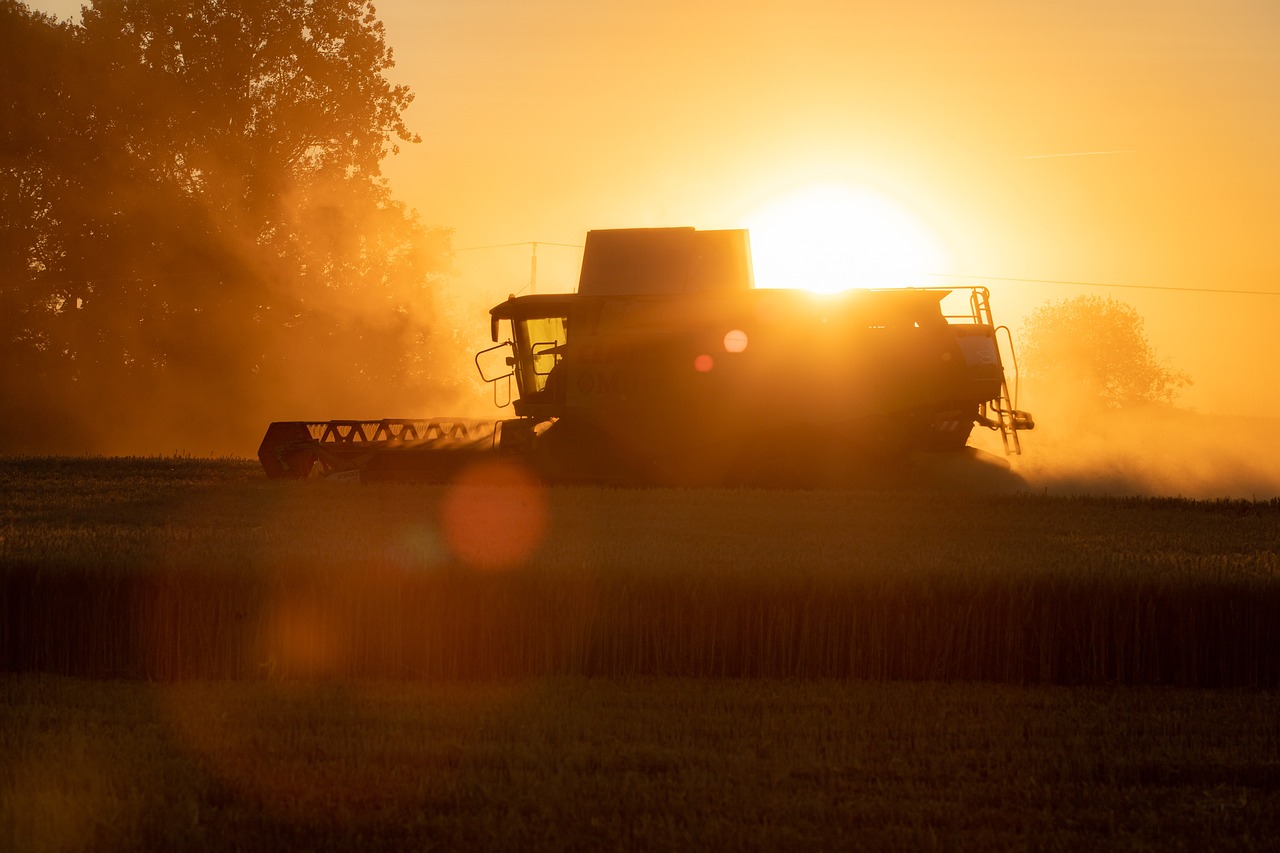
According to the latest Alberta Crop Report, producers across the province made significant harvest progress during the final week of September, taking advantage of warm, dry conditions before scattered rain and frost returned to parts of Alberta.
Harvest of major crops now sits at 60 per cent complete, up from 39 per cent the previous week. While that’s a substantial jump in a short period of time, the province remains behind the five-year average of 86 per cent for this point in the season.
The South Region continues to lead the province, with nearly 77 per cent of major crops harvested. Central Alberta has reached 68 per cent, while progress remains slower in northern regions, where producers are working around wetter conditions and shorter harvest windows. Harvest is reported at 53 per cent complete in the Northeast, 46 per cent in the Northwest, and 45 per cent in the Peace Region.
For many producers, the story of this year’s harvest has been patience. The past week offered a chance to make up some lost ground, and many took advantage of every available day in the field.
Several crops are approaching the finish line. Dry peas are 97 per cent harvested provincially, while barley harvest has reached 79 per cent complete. Spring wheat sits at 73 per cent harvested after one of the largest week-over-week increases reported in the latest survey.
Canola remains the crop with the most harvesting left to complete. Provincial harvest progress sits at 31 per cent, although another 36 per cent of the crop has been swathed and is waiting for suitable combining conditions. In many parts of the province, canola harvest will continue to be a major focus through October.
While the race to finish harvest continues, the latest report contains some encouraging news for both crop and livestock producers.
Soil moisture reserves remain in good shape across much of Alberta despite a week of drying weather. More than two-thirds of the province’s surface moisture is rated good to excellent, while sub-surface moisture levels continue to sit well above long-term averages.
That moisture story is especially important heading into winter. After several years when many producers were watching rainfall totals closely, most regions are entering the dormant season with considerably more moisture in the soil profile than is typical for this time of the year.
Pasture conditions have also held up reasonably well. Provincially, 51 per cent of pastures are rated good to excellent, remaining above both the five-year and 10-year averages for this time of the year.
Conditions vary considerably by region. The Northwest continues to report some of the strongest pasture ratings in the province, with 92 per cent considered good to excellent. The South is also performing well at nearly 70 per cent. For cattle producers, those conditions may help extend grazing opportunities and reduce pressure on feed supplies heading into winter.
Central Alberta remains more challenged, with just 19 per cent of pastures rated good to excellent.
The outlook for fall-seeded crops is another bright spot. Across Alberta, 75 per cent are rated good to excellent, suggesting emergence and establishment conditions have generally been favourable ahead of winter dormancy.
With the calendar now into October, harvest remains top of mind for producers across the province. There is still a considerable amount of crop left to bring in, particularly canola and crops in northern regions. However, the latest report suggests Alberta is heading into winter with strong moisture reserves, solid pasture conditions in many areas, and promising establishment of fall-seeded crops.
Share this article on




Latest News
-
October 27, 2026 News
Food Banks Canada, Second Harvest to distribute up to $20 million in federal funding
-
October 26, 2026 Business Tools
Five things to check on cattle mineral supplement labels
-
October 26, 2026 Current Markets & Forecasts
Canfax Weekly Article | Report for the week of Oct. 26, 2026
Cattle Report
Updated: October 27, 2026
Steers
Live: ---
Rail: ---
Heifers
Live: ---
Rail: ---
Choice Steers
Live: ---
Rail: ---
Choice Heifers
Live: ---
Rail: ---
Boner Cows
Over 500 lbs: 252.32
Canadian Dollar
$71.36 0.06
Livestock Price Insurance Index
| Expiry | Fed | Feeder | Calf |
|---|---|---|---|
| 18-Jan-27 | 292 | 470 | -- |
| 15-Feb-27 | 292 | 460 | -- |
| 15-Mar-27 | 292 | 460 | -- |
| 12-Apr-27 | 298 | 446 | -- |
| 10-May-27 | 304 | 458 | -- |
| 07-Jun-27 | 310 | 462 | -- |
| 05-Jul-27 | 302 | -- | -- |
Last Updated on October 22, 2026