Live: ---
Rail: 491.50-497.75 FOB feedlot (last week)

{{ weatherTemp }}°C
{{ weatherCity }}

AB Direct - Steers
AB Direct - Heifers
Live: ---
Rail: 491.50-497.75 FOB feedlot (last week)
Rail: 491.50-497.75 FOB feedlot (last week)
US Trade- Steers
Live: 218.00-223.00 (IA, NE) 226.00 (TX, KS) last week
Rail: 345.00-350.00 (NE, IA) last week
Rail: 345.00-350.00 (NE, IA) last week
US Trade - Heifers
Live: 218.00-223.00 (IA, NE) 226.00 (TX, KS) last week
Rail: 345.00-350.00 (NE, IA) last week
Rail: 345.00-350.00 (NE, IA) last week
Canadian Dollar
$70.59
0.29
0.29
September 23, 2026
News
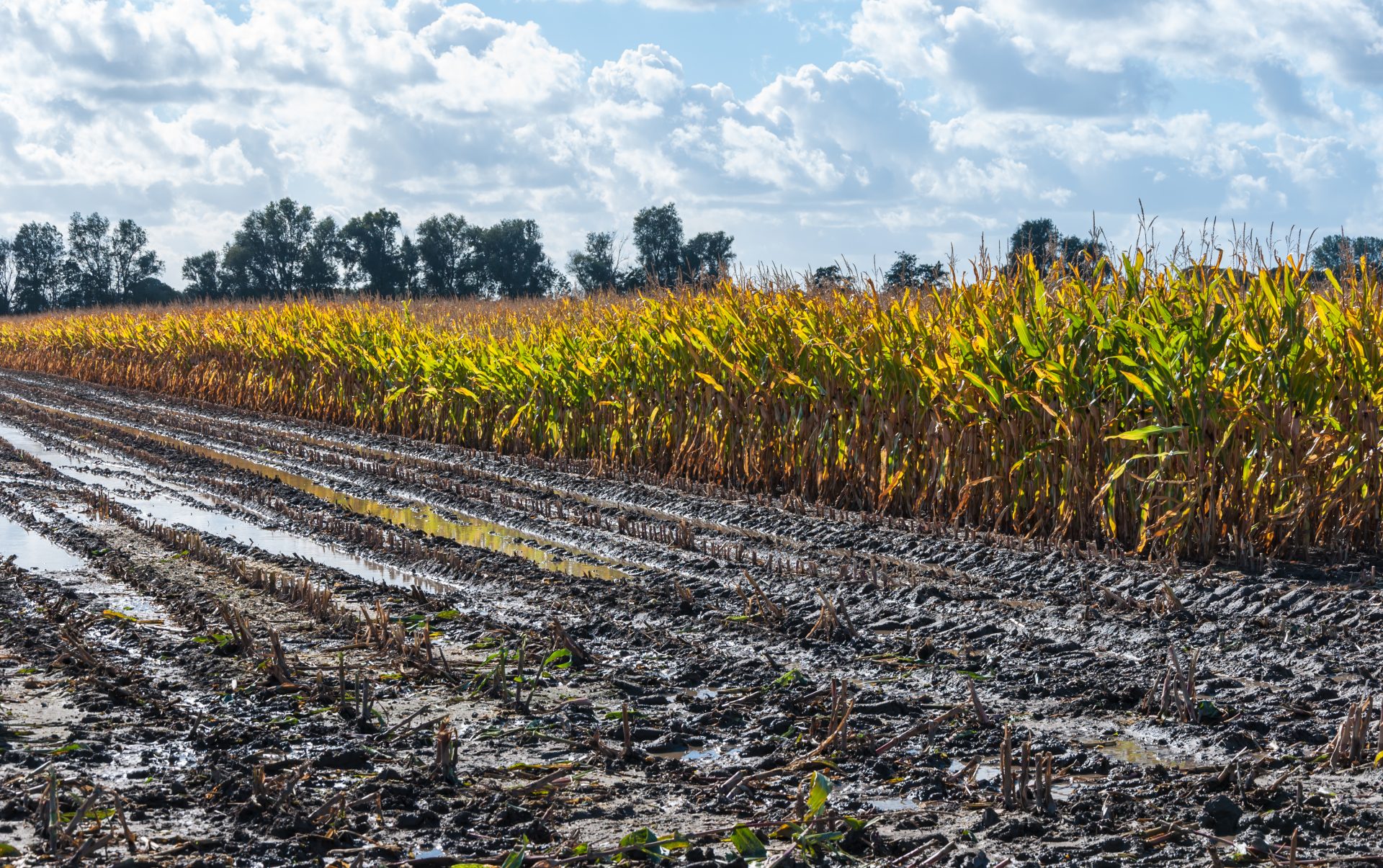
Wet weather continues to slow Alberta harvest progress
Persistent rain and cooler-than-normal temperatures continue to limit harvest activity across Alberta, according to the latest Alberta Crop Report released by Alberta Agriculture and Irrigation.
As of Sept. 15, 2026, Alberta’s harvest was 23 per cent complete, up just five percentage points from the previous week. The report notes harvest progress remains well behind normal, sitting 35 percentage points below the five-year average and 21 points below the 10-year average.
The South Region is the furthest ahead at 46 per cent complete, followed by Central Alberta at 29 per cent. Progress remains slow across northern regions, with harvest ranging from eight per cent complete in the North East to 13 per cent in the Peace Region.
According to the report, dry peas are the most advanced crop at 83 per cent harvested, while barley has reached 40 per cent completion. Canola remains the furthest behind, with just four per cent of the crop combined provincially. Many producers are turning to swathing and desiccation to help advance maturity and dry down crops amid continued wet conditions.
The Alberta Crop Report also highlights growing concerns about crop quality. While grain quality was near historical averages earlier this month, reports of sprouting, disease pressure, and increased canola dockage are beginning to emerge as mature crops remain exposed to repeated rainfall events. Producers in some regions are also dealing with tough cereals that require additional drying before storage.
While the wet weather has slowed fieldwork, it has continued to replenish soil moisture reserves across the province. Surface soil moisture is rated 76 per cent good to excellent, more than double the five-year average of 36 per cent. Sub-surface moisture conditions also remain well above historical levels.
Pastures have benefited from the additional moisture, with the report noting greener-than-normal conditions for mid-September in many areas. Provincially, pasture growth is rated 49 per cent good to excellent, compared to the five-year average of 30 per cent. Tame hay conditions are also reported above average, although many producers continue to face challenges harvesting quality forage and second-cut hay remains limited.
Rainfall varied across the province during the latest reporting period, with some areas receiving only light showers while others recorded significantly higher totals. Several regions also reported frost, adding another concern as a large portion of Alberta’s crop remains in the field.
The report notes that warmer, drier weather will be needed in the coming weeks to advance harvest and reduce the risk of further quality loss.
Share this article on




Latest News
-
October 13, 2026 News
Demand for productive acres keeps Alberta land values climbing
-
October 13, 2026 Current Markets & Forecasts
Canfax Weekly Article: Report for the week of October 13, 2026
-
October 12, 2026 Checking in with ABP
Contest connects consumers with life on an Alberta ranch
Cattle Report
Updated: October 13, 2026
Steers
Live: ---
Rail: 491.50-497.75 FOB feedlot (last week)
Heifers
Live: ---
Rail: 491.50-497.75 FOB feedlot (last week)
Choice Steers
Live: 218.00-223.00 (IA, NE) 226.00 (TX, KS) last week
Rail: 345.00-350.00 (NE, IA) last week
Choice Heifers
Live: 218.00-223.00 (IA, NE) 226.00 (TX, KS) last week
Rail: 345.00-350.00 (NE, IA) last week
Boner Cows
Over 500 lbs: 262.59
Canadian Dollar
$70.59 0.29
Livestock Price Insurance Index
| Expiry | Fed | Feeder | Calf |
|---|---|---|---|
| 04-Jan-27 | -- | -- | -- |
| 01-Feb-27 | 288 | 456 | -- |
| 01-Mar-27 | 286 | 450 | -- |
| 29-Mar-27 | 290 | 448 | -- |
| 26-Apr-27 | 296 | 444 | -- |
| 24-May-27 | 304 | 450 | -- |
| 21-Jun-27 | 302 | 454 | -- |
Last Updated on October 8, 2026