Live: ---
Rail: 490.00-500.00 del (bids/sales)

{{ weatherTemp }}°C
{{ weatherCity }}

AB Direct - Steers
AB Direct - Heifers
Live: ---
Rail: 490.00-500.00 del (bids/sales)
Rail: 490.00-500.00 del (bids/sales)
US Trade- Steers
Live: ---
Rail: ---
Rail: ---
US Trade - Heifers
Live: ---
Rail: ---
Rail: ---
Canadian Dollar
$71.45
0.10
0.10
biosecurity


Featured
-

Producer Meetings
Who could say no to a $10 supper with friends and colleagues? Join fellow cattle producers for a meal and conversations at upcoming Producer Meetings.
Learn More
October 28, 2025
Current Markets & Forecasts
The foundation for market access is built on-farm
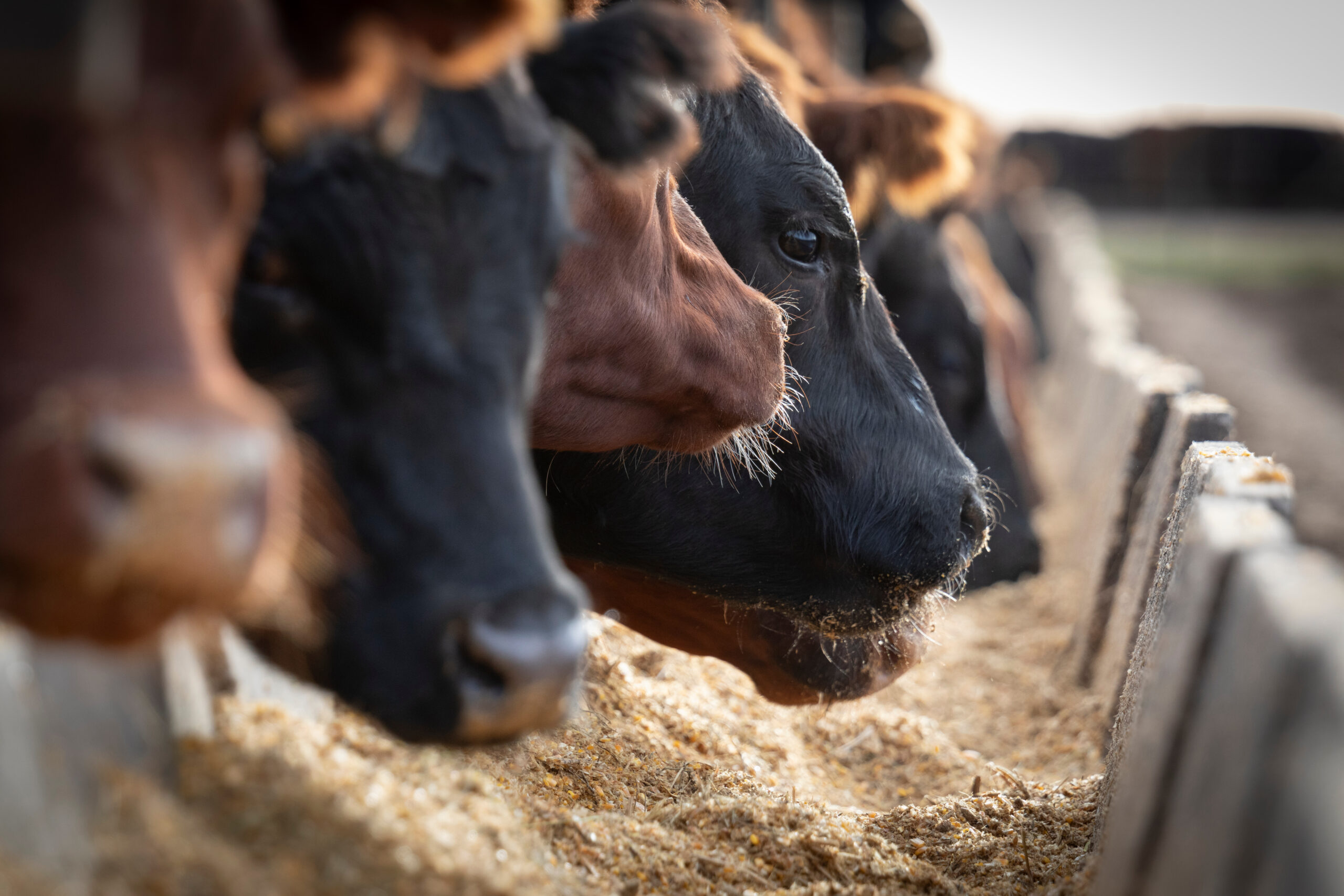
Alberta’s beef sector has been relatively fortunate, compared to poultry and swine, having experienced few incursions of rapidly spreading diseases with high rates of mortality. That said, we all remember BSE and the devastating, long-lasting impact it had on our industry. We are a sector that relies on trade. Around 40–50 per cent of our…
June 24, 2025
Checking in with ABP
CCA’s approach to tariffs and market access
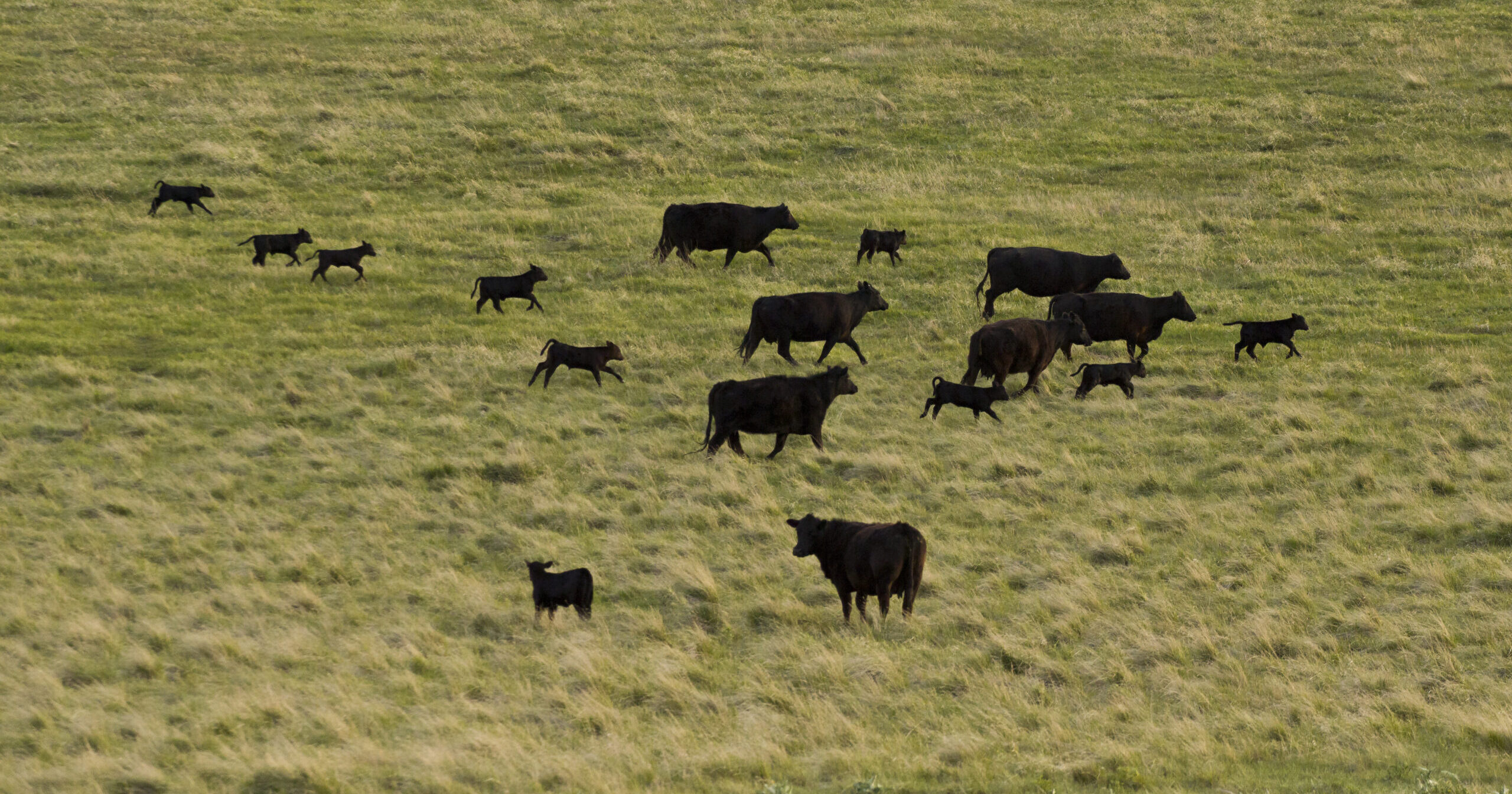
The start of my term as president is during an odd combination of events. In Canada, a federal election campaign just wrapped up. While this would traditionally be a quieter time for CCA, my calendar quickly filled up with invitations to attend meetings in Washington, D.C. and with key stakeholders in Canada as we continue…

March 8, 2024
Health & Production
Know your zoonoses
Worldwide, it is estimated that approximately 60 per cent of infectious diseases are zoonotic, meaning they can be transmitted between animals and people. There are a number of different ways zoonoses can be spread between humans and animals, including direct and indirect contact, foodborne, inhalation, and vector borne. You may be familiar with some of…

January 22, 2024
Business Tools
Preventing a biosecurity breach
Biosecurity hazards on beef operations are sometimes overlooked, however, the risk of introducing disease onto your farm is real and more common than you may think. Routine practices such as shared fence lines, buying in replacement breeding heifers or bulls, borrowing stock trailers or outsourcing farm work can bring unwanted diseases onto your farm. Even producers who consider…

June 1, 2023
Health & Production
FMD biosecurity advice for international travellers
If you’re planning an international trip or will soon be welcoming international visitors to your operation, keep biosecurity in mind. While Canada is free of Foot and Mouth Disease (FMD), this highly contagious virus is presently the greatest health risk to Canadian livestock. Many countries in Asia, Africa, and South America are positive for FMD,…
Featured
-
Producer Meetings
Who could say no to a $10 supper with friends and colleagues? Join fellow cattle producers for a meal and conversations at upcoming Producer Meetings.
Learn More
Cattle Report
Updated: October 22, 2026
Steers
Live: ---
Rail: 490.00-500.00 del (bids/sales)
Heifers
Live: ---
Rail: 490.00-500.00 del (bids/sales)
Choice Steers
Live: ---
Rail: ---
Choice Heifers
Live: ---
Rail: ---
Boner Cows
Over 500 lbs: 256.45
Canadian Dollar
$71.45 0.10
Livestock Price Insurance Index
| Expiry | Fed | Feeder | Calf |
|---|---|---|---|
| 08-Feb-27 | 290 | 458 | -- |
| 08-Mar-27 | 290 | 454 | -- |
| 05-Apr-27 | 294 | 452 | -- |
| 03-May-27 | 300 | 450 | -- |
| 31-May-27 | 306 | 456 | -- |
| 28-Jun-27 | 302 | 456 | -- |
| - | - | - | - |
Last Updated on October 15, 2026