Live: ---
Rail: 480.00 del

{{ weatherTemp }}°C
{{ weatherCity }}

AB Direct - Steers
AB Direct - Heifers
Live: ---
Rail: 480.00 del
Rail: 480.00 del
US Trade- Steers
Live: 210.00 (IA)*few
Rail: 335.00 (IA)*few
Rail: 335.00 (IA)*few
US Trade - Heifers
Live: 210.00 (IA) *few
Rail: 335.00 (IA)*few
Rail: 335.00 (IA)*few
Canadian Dollar
$70.28
0.05
0.05

Featured
-
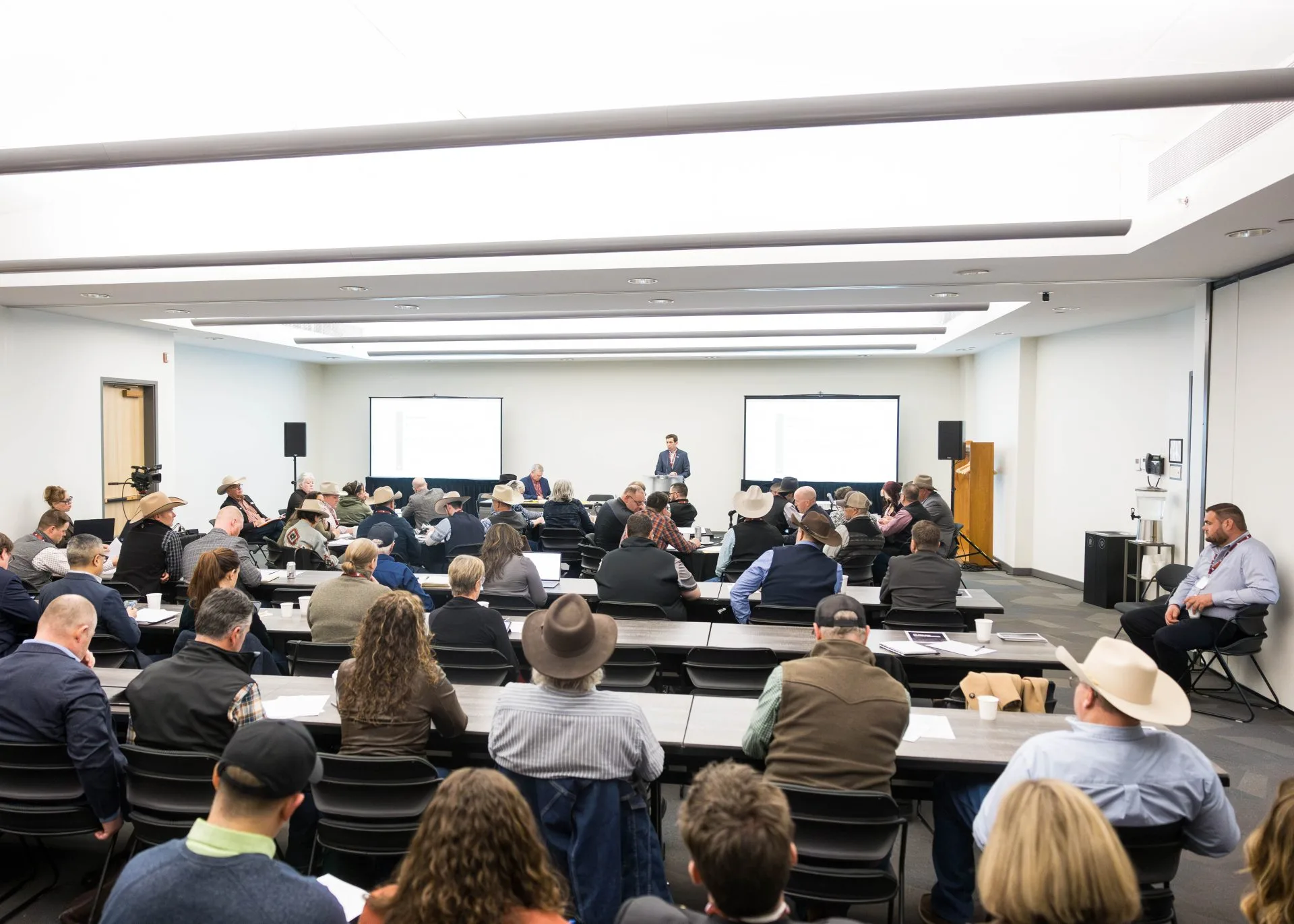
Register for ABP's AGM & Convention
Join us for ABP’s Annual General Meeting and Convention, where cattle producers and industry representatives come together to review the past year’s activities, discuss key issues affecting the industry, and help shape priorities for the year ahead.
Register through Eventbrite -
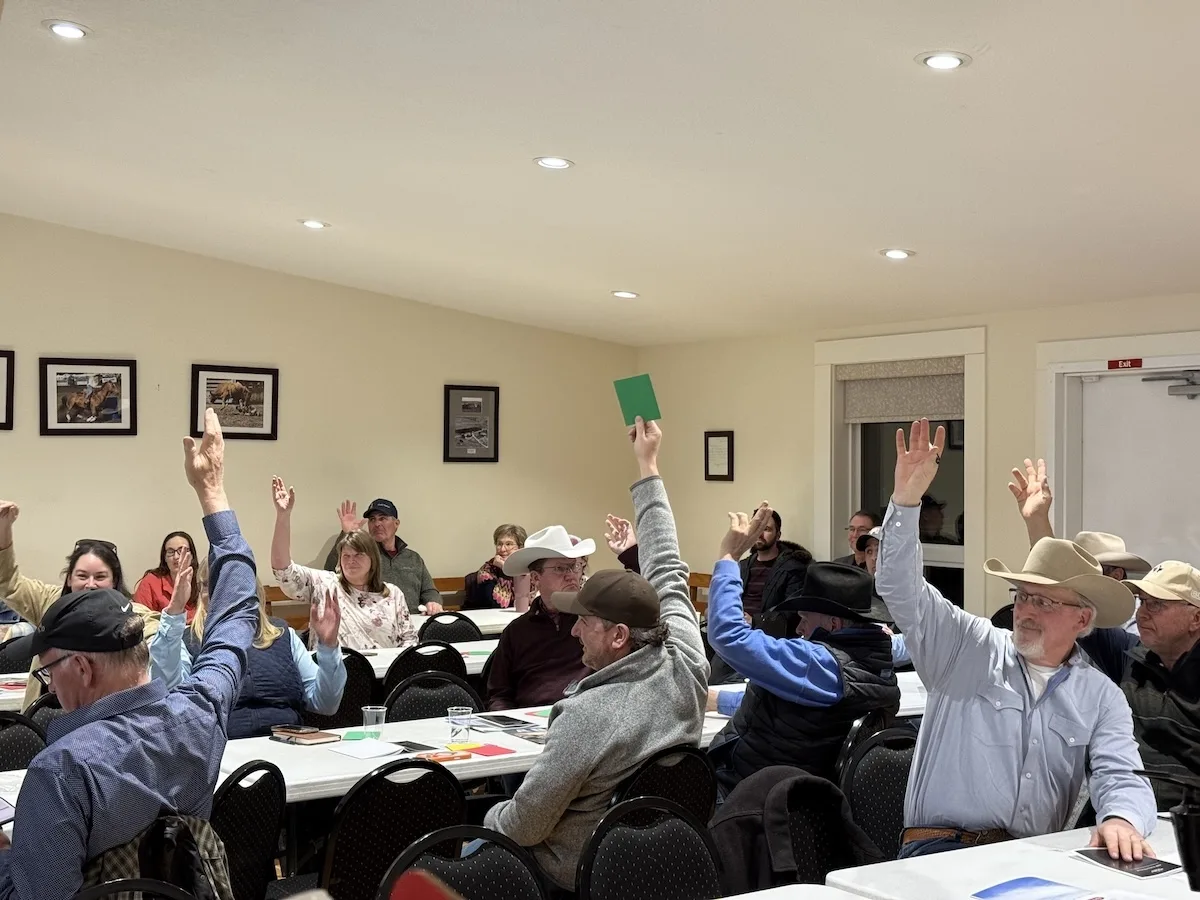
Your Thoughts and Ideas on Producer Meetings
We are eager to hear your feedback to help us plan, refine, and continually improve. If you attended a Producer Meeting, please take a moment to provide your thoughts and ideas through our quick survey.
Share Your Ideas
November 13, 2026
Health & Production
Heart Health Matters in Beef Herd
The incidence of congestive heart failure is increasing in beef cattle across North America. Here, we consider the causes of this growing problem and the tools producers can use to detect and address it before cattle enter the feedlot. Bovine congestive heart failure (BCHF) is a growing problem in beef cattle worldwide. Also called brisket…
November 13, 2026
Health & Production
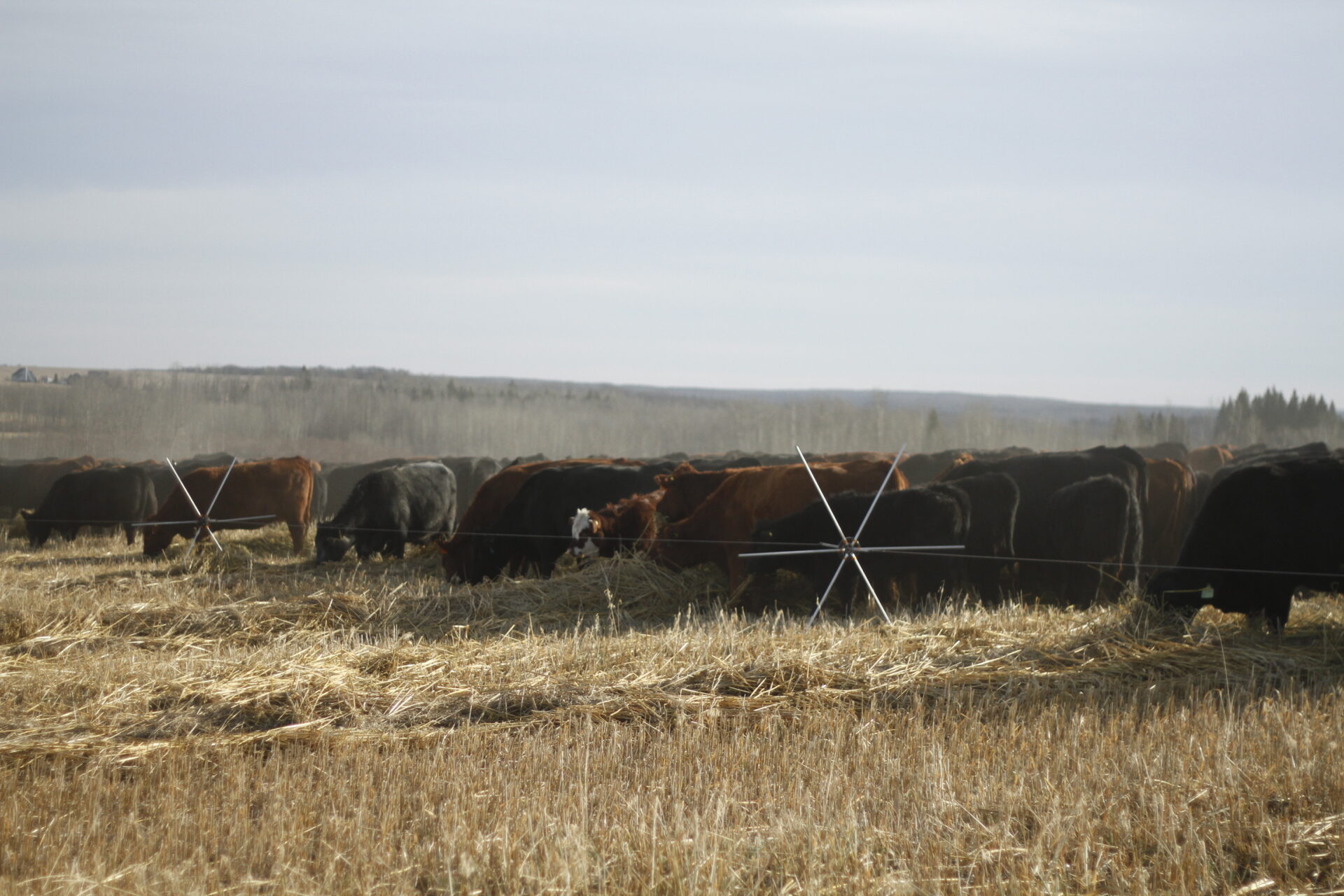
Winter feeding decisions start with body condition
Assessing condition now can help manage feed costs, adjust rations and prepare for the demands of calving As winter feeding gets underway across Alberta, one of the most useful tools for managing cattle nutrition doesn’t require any specialized equipment. It starts with assessing body condition. Body condition scoring helps producers evaluate the fat reserves of…
November 11, 2026
Checking in with ABP
Annual forages can cut feed costs and extend grazing
Annual forages are not a replacement for perennial pastures, but they can be a useful tool for producers looking to fill feed gaps, extend grazing, and reduce feeding costs. During an Alberta AgriSystems Living Lab (AALL) webinar on adding annual forages to a grazing plan, Dr. Vern Baron of Agriculture and Agri-Food Canada and Dr….
November 10, 2026
Business Tools
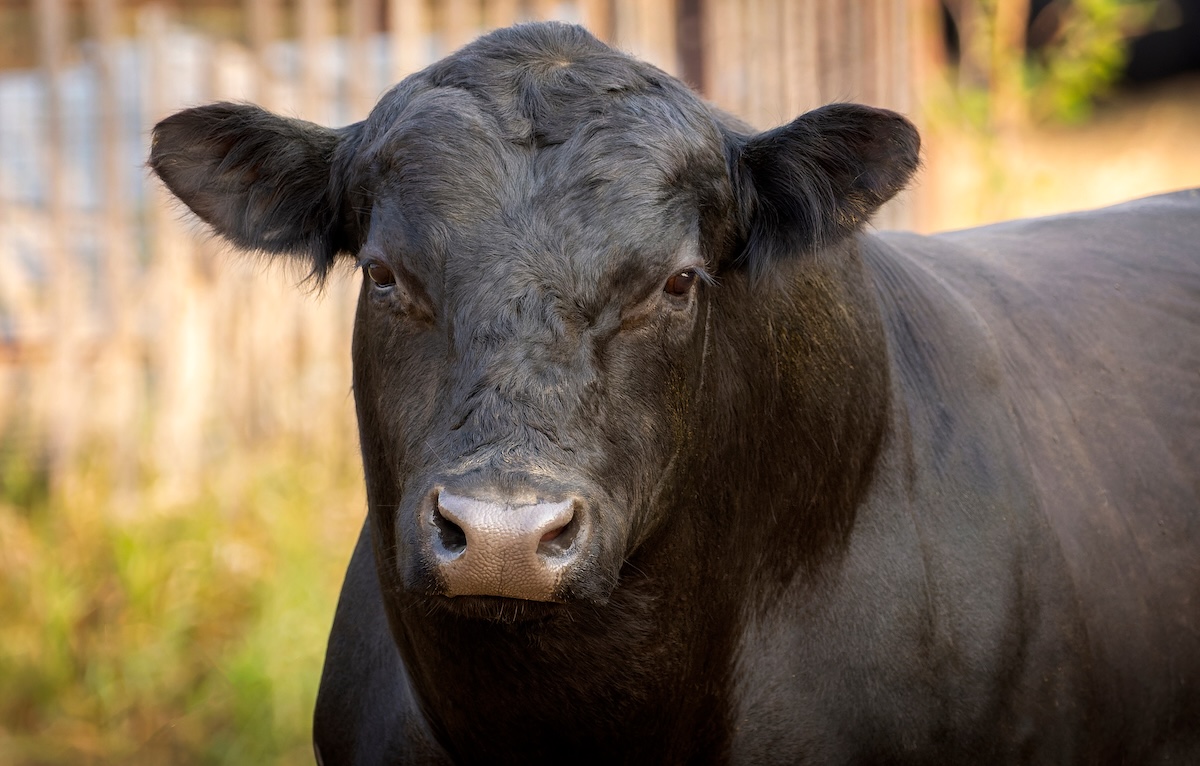
New beef genomics project aims to improve breeding decisions
A new research project led by the Canadian Angus Association aims to combine genomic, environmental and management data to help producers identify cattle that are better suited to their specific operations. Led by Dr. Kajal Latimer of the Canadian Angus Association, the project is designed to account for the environmental and management differences that can…
November 10, 2026
Health & Production
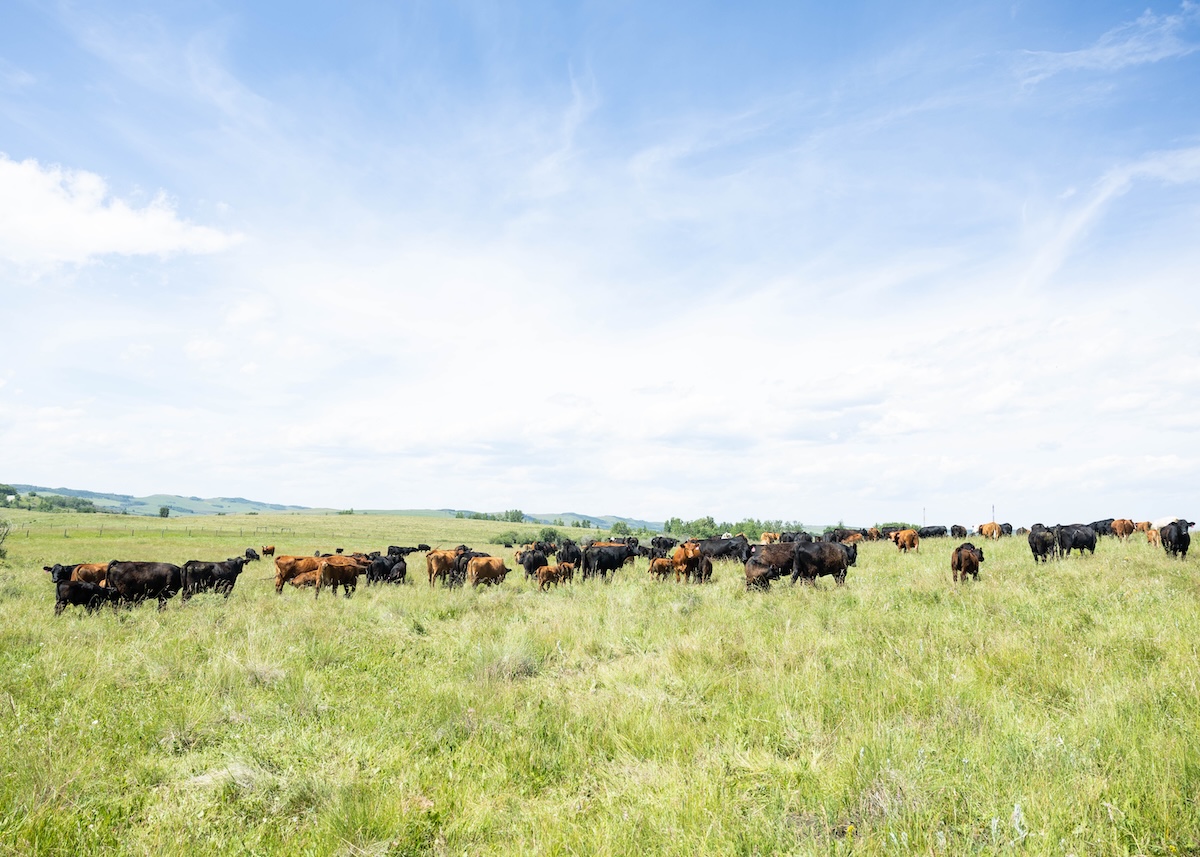
Kumlin family embraces regenerative agriculture
On their fifth-generation ranch near Cochrane, Matt and Angela Kumlin are combining generations of ranching knowledge with new technology to build healthier grasslands and a stronger cattle operation. To celebrate the International Year of Rangelands and Pastoralists (IYRP), Alberta Beef Producers is highlighting the hardworking ranchers who steward some of the province’s most sensitive ecosystems…
November 9, 2026
Checking in with ABP
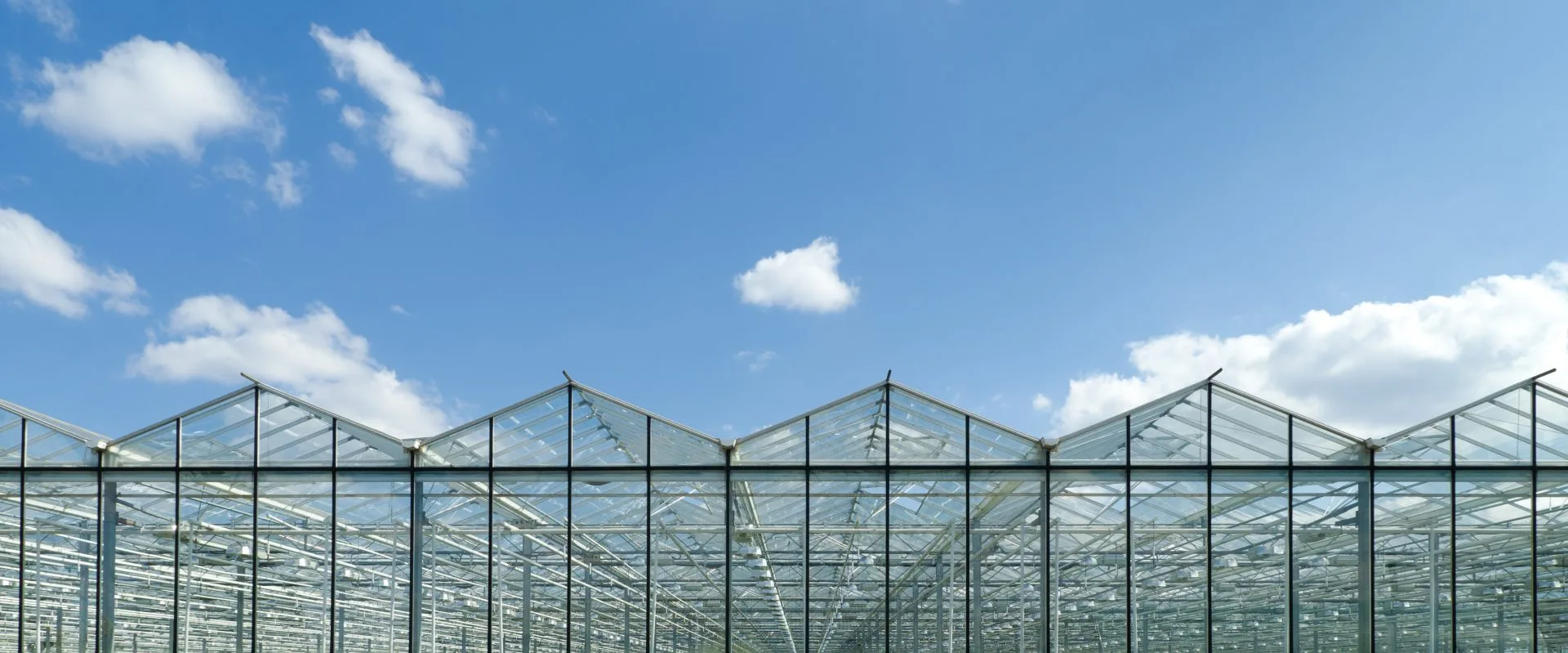
New $750-million program opens for greenhouse and indoor food production projects
Agriculture and Agri-Food Canada (AAFC) has launched a new $750-million program aimed at expanding greenhouse and other controlled-environment food production across the country. The Controlled Environment Agriculture (CEA) Growth Pathway Program will provide funding for projects that increase fruit and vegetable production in facilities such as greenhouses, vertical farms, and other indoor growing operations. The…
November 9, 2026
Current Markets & Forecasts
Canfax report for the week of November 9, 2026
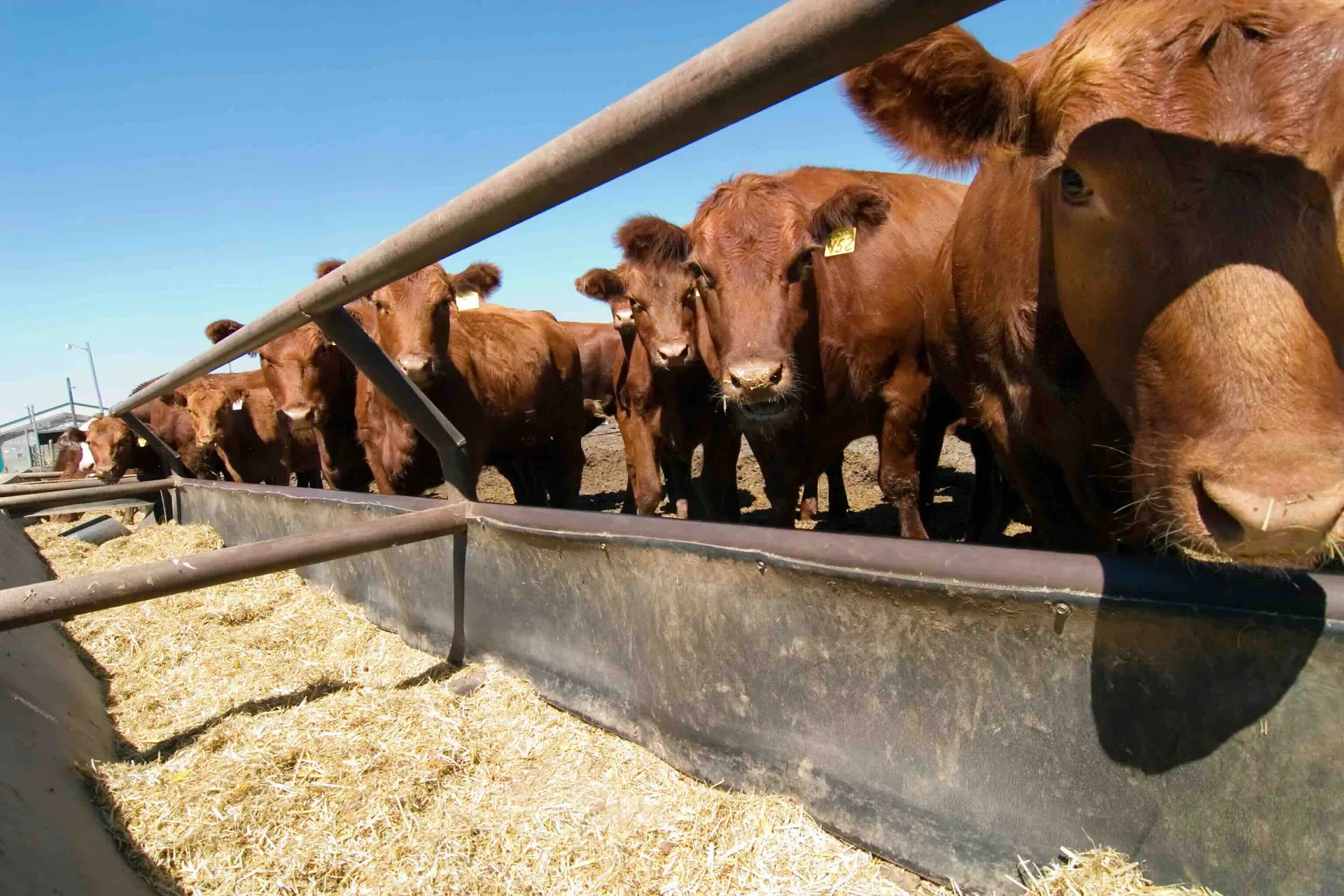
Historically large U.S. feeder cattle import volumes last fall have, to a certain degree, underpinned the fed cattle market. Packers seem well covered with cattle, resulting in limited packer competition this week. At least one Canadian packer was not bidding. Weighted average steer prices established new annual lows in the low $290s/cwt. Dressed sales were…
November 7, 2026
Issues & Insights
Balancing land and wildlife management
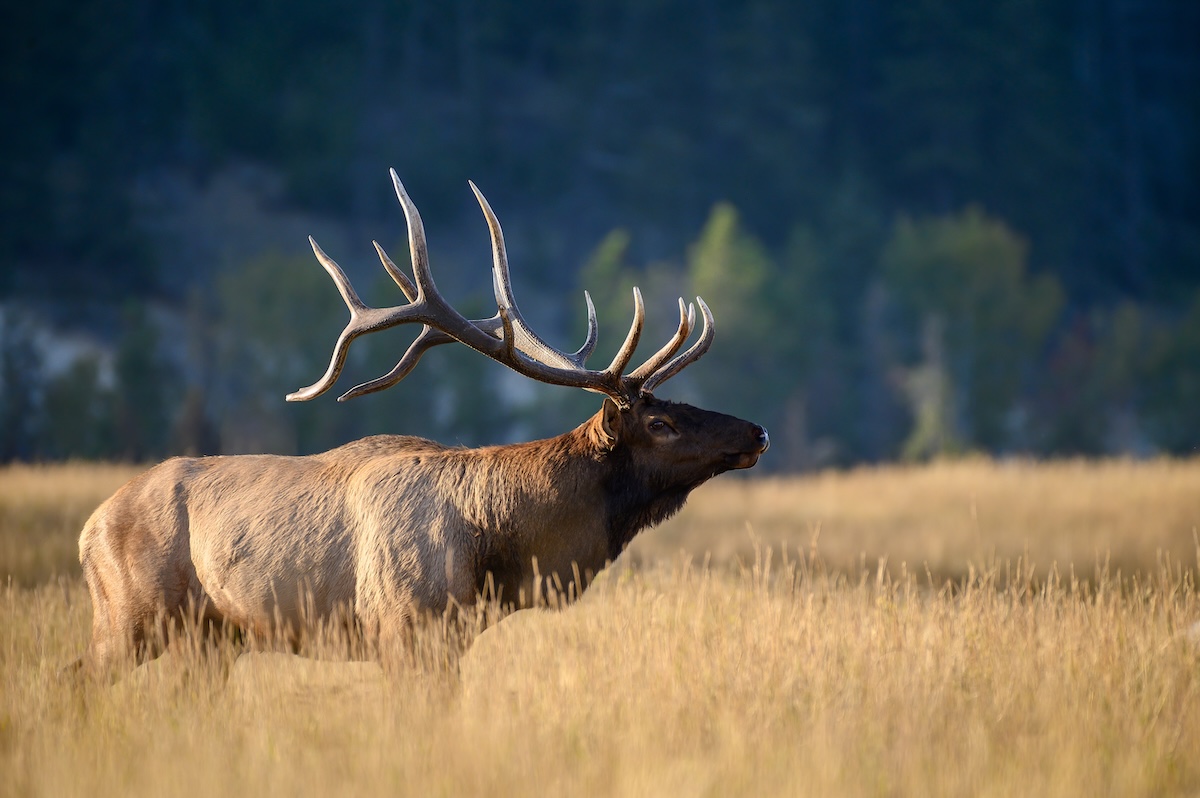
Since the settlement of Alberta, beef producers have always been stewards of the land and wildlife. While the vast majority of producers take pride in the wildlife species found on the lands they manage, they also recognize that overabundance of some wildlife species can create issues that severely impact their bottom line and subsequent way…

November 6, 2026
News
Federal Budget 2026 includes changes to farm succession and capital investment rules
The federal government tabled Budget 2026 on November 5, projecting a deficit of $62.3 billion for 2026-27 while outlining measures aimed at growing the economy, increasing investment, and expanding trade. One of the agriculture-related measures is a proposed change to farm succession rules. Starting Jan. 1, 2027, family farms could be transferred to nieces, nephews, and grandnieces and nephews, without…
November 6, 2026
Checking in with ABP
Join us at ABP’s 2026 Annual General Meeting and Convention
Producers from across the province will gather in Red Deer on December 2–3 for Alberta Beef Producers’ 2026 Annual General Meeting (AGM) and Convention. The AGM is an opportunity to hear updates on the work being done on behalf of producers, discuss issues affecting Alberta’s beef industry, and connect with delegates, staff, and industry partners…
November 6, 2026
Checking in with ABP
Canada Beef builds momentum abroad
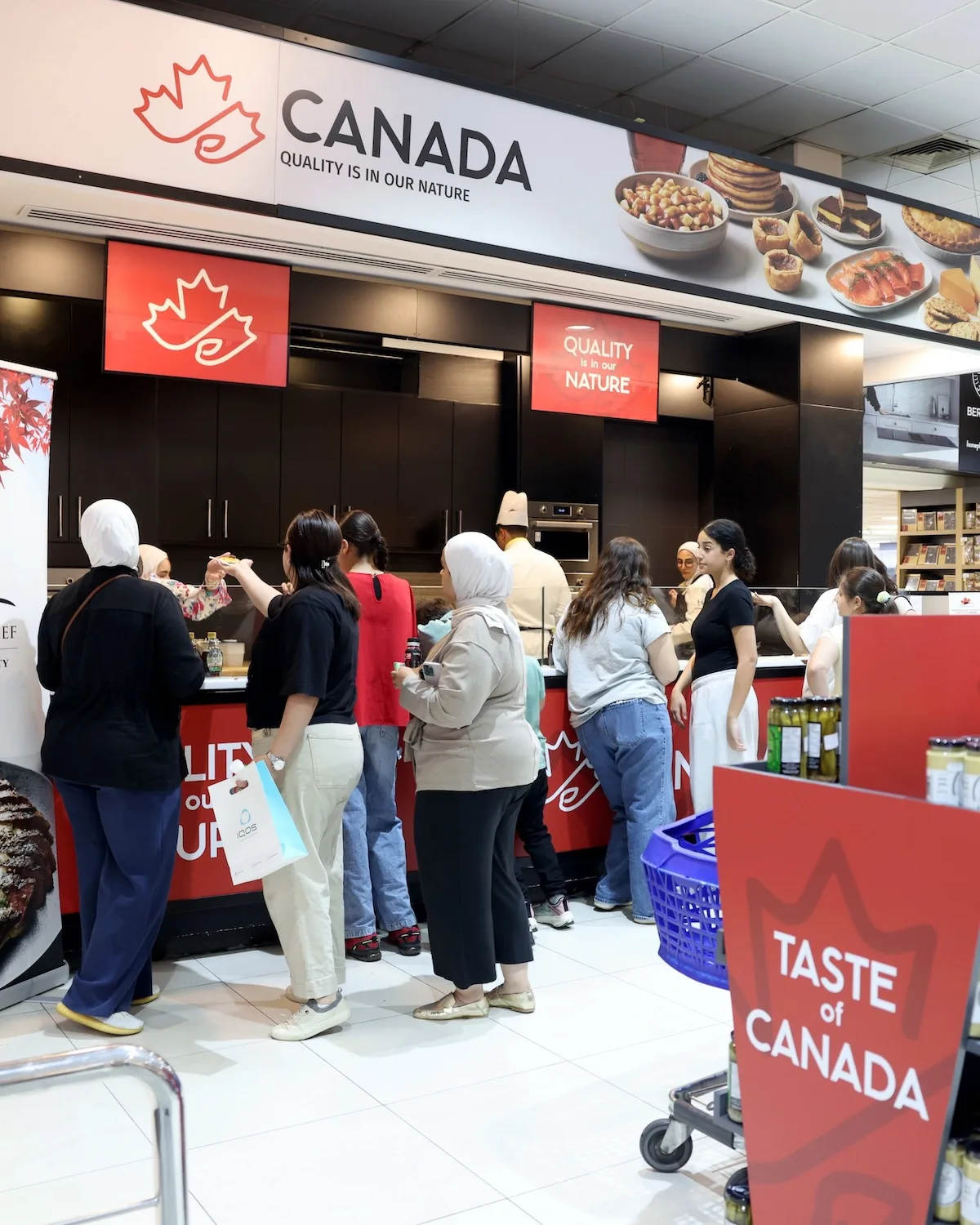
Market expansion and diversification initiatives remained a high priority for Canada Beef this summer, with several Canadian Beef activations taking place in new and emerging high-opportunity markets. A collaboration with Napoleon Grills Europe was among the Canada Beef initiatives deployed to help reach new consumers, strengthen awareness, and create opportunities for Canadian beef in international…
November 5, 2026
Business Tools
Opening the ranch gate? Keep biosecurity in the picture
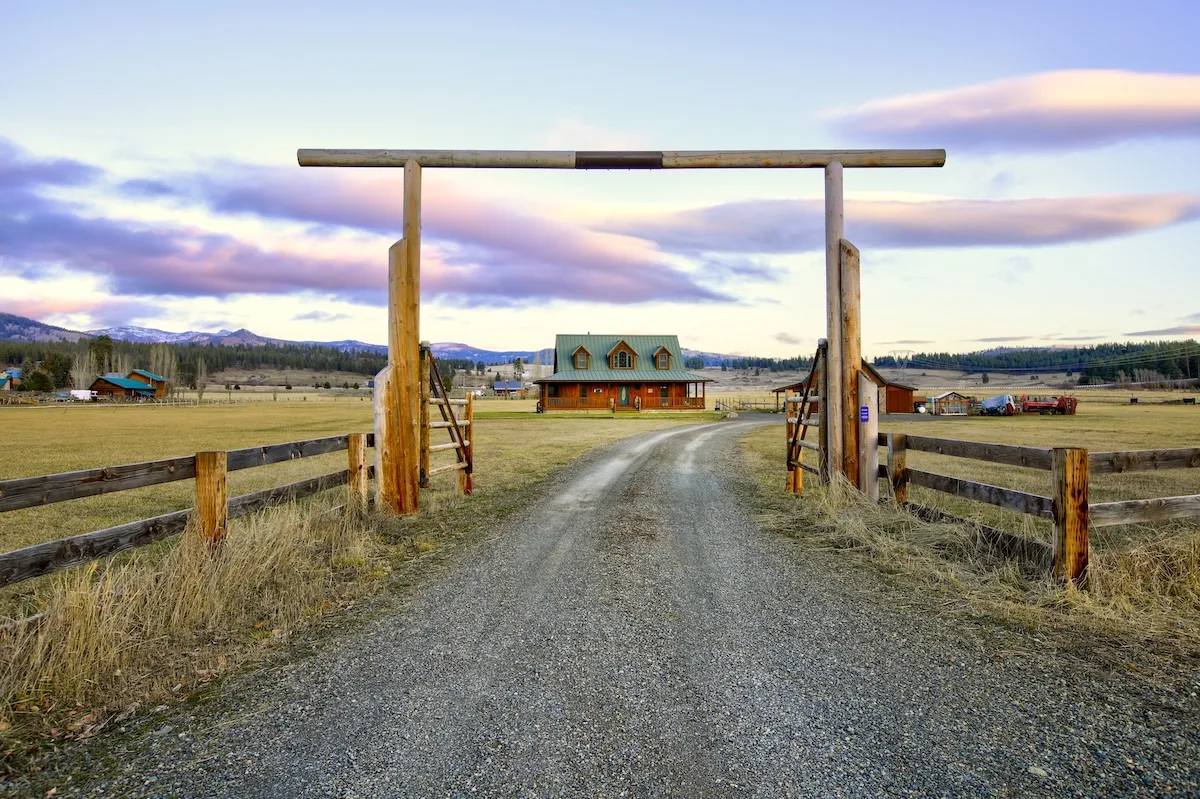
New guidance from the Beef Cattle Research Council offers practical ways to welcome visitors while protecting cattle health. Farm tours provide an opportunity to showcase the beef industry, share knowledge and connect with people who may have little experience with agriculture. But every additional visitor also brings potential biosecurity risks. Whether hosting a school group,…
Featured
-
Register for ABP's AGM & Convention
Join us for ABP’s Annual General Meeting and Convention, where cattle producers and industry representatives come together to review the past year’s activities, discuss key issues affecting the industry, and help shape priorities for the year ahead.
Register through Eventbrite -
Your Thoughts and Ideas on Producer Meetings
We are eager to hear your feedback to help us plan, refine, and continually improve. If you attended a Producer Meeting, please take a moment to provide your thoughts and ideas through our quick survey.
Share Your Ideas
Cattle Report
Updated: November 13, 2026
Steers
Live: ---
Rail: 480.00 del
Heifers
Live: ---
Rail: 480.00 del
Choice Steers
Live: 210.00 (IA)*few
Rail: 335.00 (IA)*few
Choice Heifers
Live: 210.00 (IA) *few
Rail: 335.00 (IA)*few
Boner Cows
Over 500 lbs: 240.06
Canadian Dollar
$70.28 0.05
Livestock Price Insurance Index
| Expiry | Fed | Feeder | Calf |
|---|---|---|---|
| 08-Feb-27 | 280 | 456 | -- |
| 08-Mar-27 | 282 | 454 | -- |
| 05-Apr-27 | 299 | 452 | -- |
| 03-May-27 | 294 | 450 | -- |
| 31-May-27 | 302 | 454 | -- |
| 28-Jun-27 | 300 | 454 | -- |
| 26-Jul-27 | 294 | -- | -- |
Last Updated on November 13, 2026
