Live: ---
Rail: 500.00 del

{{ weatherTemp }}°C
{{ weatherCity }}

AB Direct - Steers
AB Direct - Heifers
Live: ---
Rail: 500.00 del
Rail: 500.00 del
US Trade- Steers
Live: 220.00 (IA)*few
Rail: 345.00-355.00 (IA, NE)
Rail: 345.00-355.00 (IA, NE)
US Trade - Heifers
Live: 220.00 (IA)*few
Rail: 345.00-355.00 (IA, NE)
Rail: 345.00-355.00 (IA, NE)
Canadian Dollar
$70.94
0.25
0.25
June 18, 2026
Checking in with ABP
Every road led to ranching
Millward Family Raises Cattle, Stewards Native Grasslands
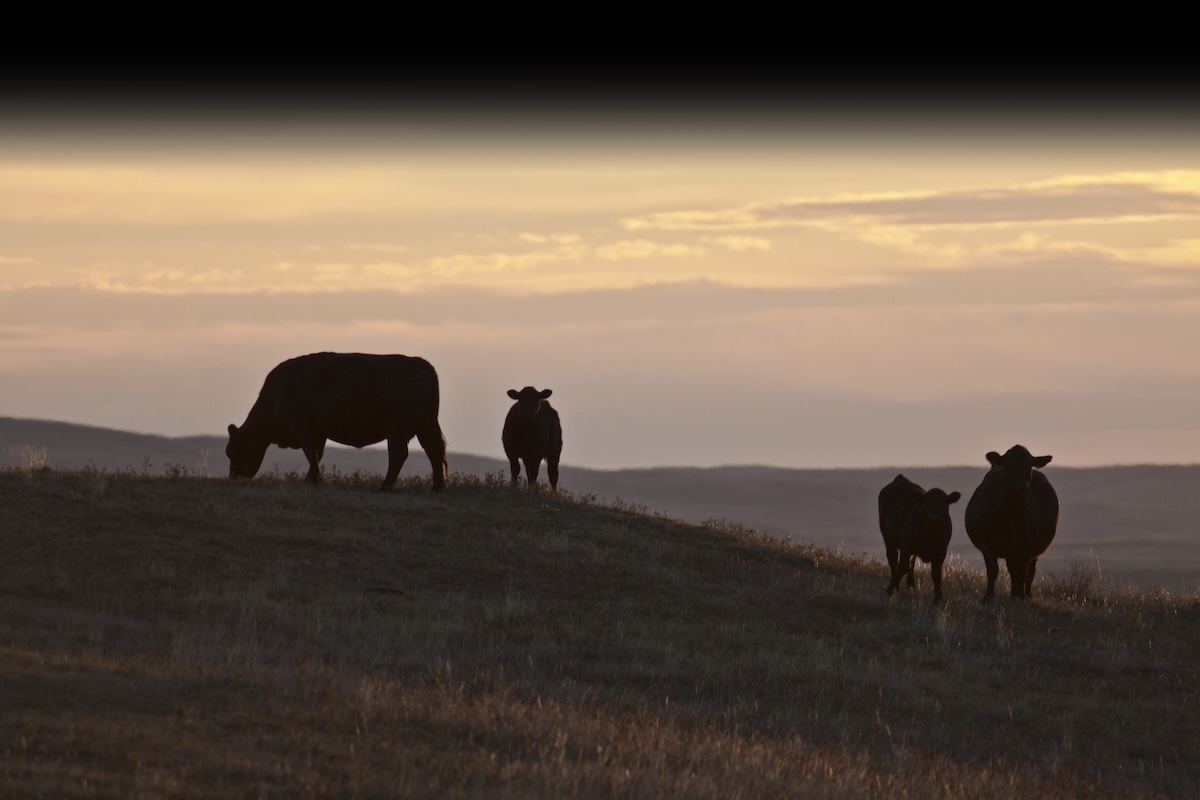
For Kelly Millward of Del Bonita, ranching has always felt like home.
“I started with my grandparents, I worked there every summer while in school. I helped them and worked with my uncle,” Millward says of his introduction to ranching at a young age.
After graduating high school, Millward continued working on his family’s ranch and then worked at the Onefour Research Station. It was a substation of Agriculture and Agri-Food Canada that comprises forage and cattle research and is 70 per cent native grassland, according to the Alberta Wilderness Association. The 42,000-acre ranch was established in 1927 and is now used for grazing tenures with local producers and research through a partnership between the Government of Alberta and the University of Alberta.
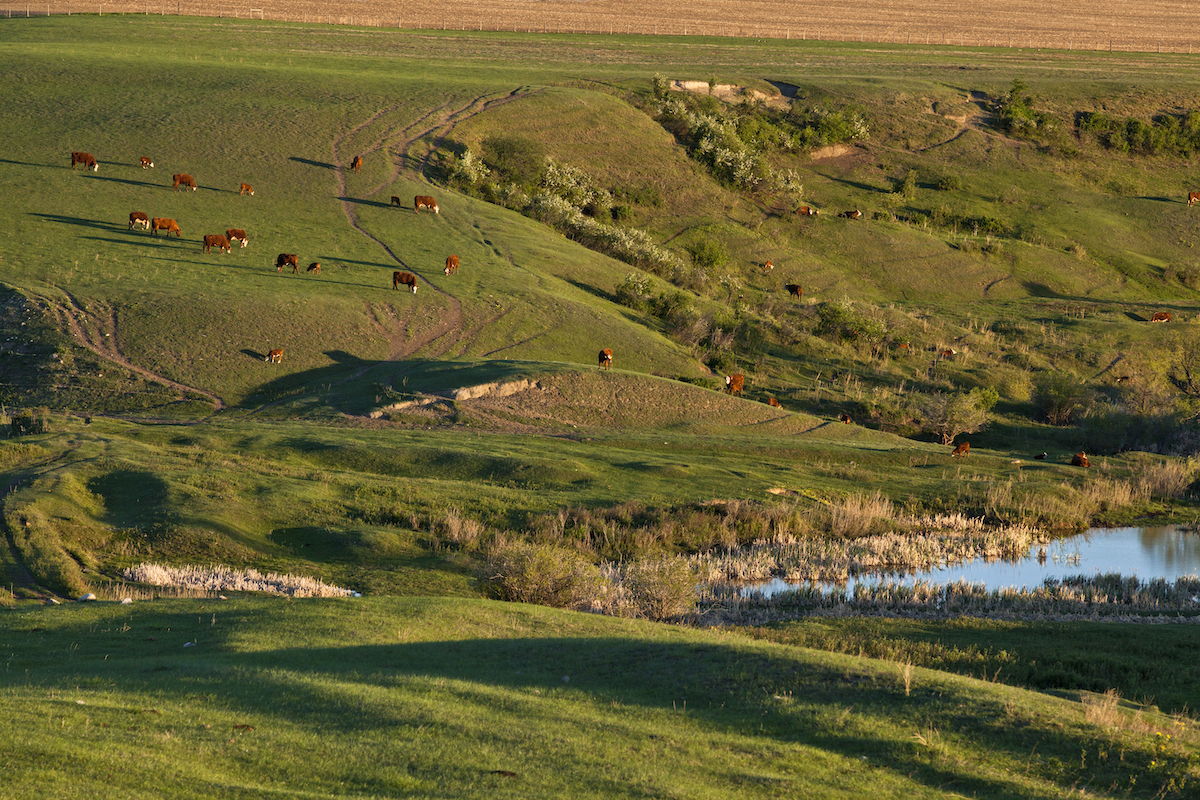
Then, Millward worked at Alberta’s Deseret Ranches for 10 years. During his employment, Millward says the operation covered 100,000 acres and cared for 6,000 cows. In 2002, Millward and his family were ready to start their own ranching journey and moved to Manitoba. The following year, the bovine spongiform encephalopathy (BSE) crisis hit Canada. The family made it through this challenging time in the beef sector but ultimately decided that Alberta is where they called home.
So, they moved back to Del Bonita about 10 years ago and Millward worked as a manager at Nelson Family Ranches, which is a six-generation 25,000-acre operation with cattle, grain and hay production.
Following a brief stint working in the oil fields in Fort McMurray, Millward returned to the family farm to work with his uncle. Together they look after about 100 cows.
“I love being outside with the cows and I really like the regenerative ag part of it,” Millward says.
Regenerative agriculture has several definitions, but in general, it is the process of restoring degraded soils using management practices rooted in ecological principles. Ranchers work with nature to restore the soil, water and biodiversity of the land to increase farmland resilience to climate change.
In the short time that the Millwards have used such regenerative practices as rotational grazing, they have noticed significant improvements in the land’s ability to recover and produce healthy grass stands for the cattle and wildlife.
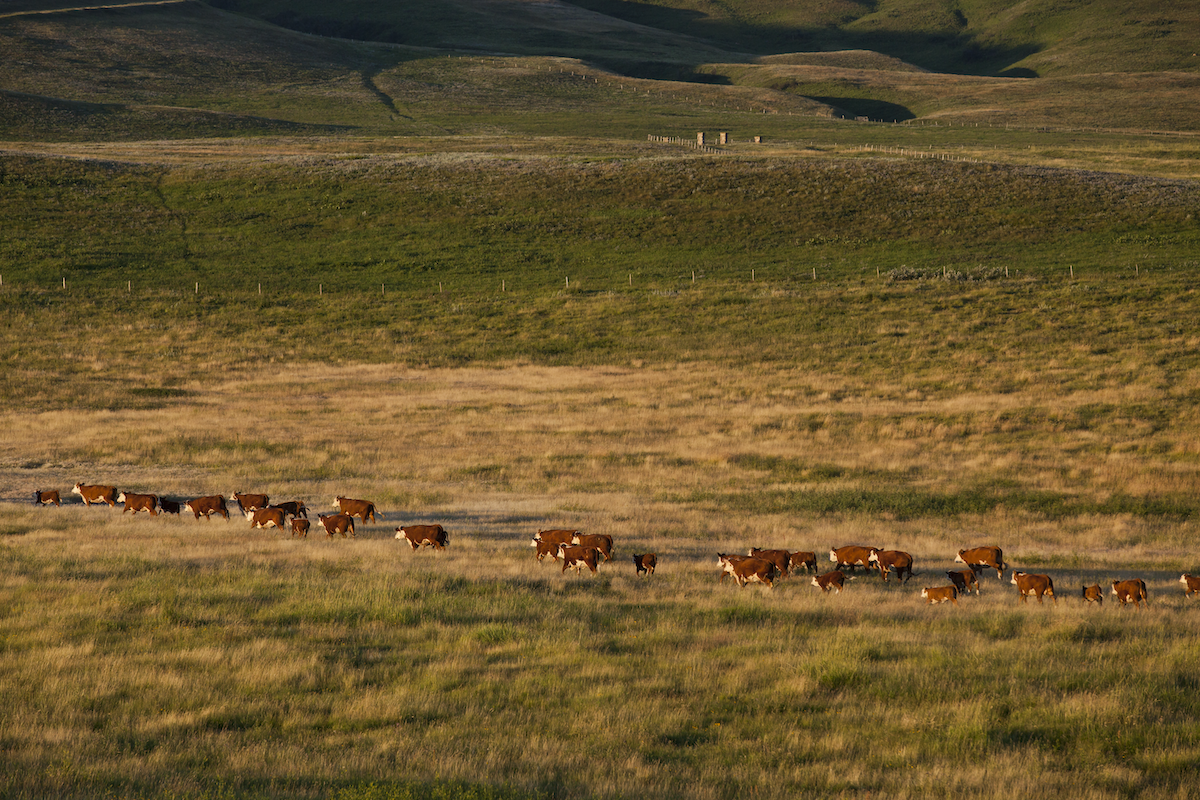
“Out here in Del Bonita, it’s extremely dry land and I just love seeing how treating the land the way it’s supposed to be done, not overgrazing, the difference it can make out in this dry country,” Millward says.
Native grasses grow on about 80 per cent of the ranch. Millward is committed to protecting these important species. With the increasing cost of land and pressure for producers to make rising payments, the pressure to convert pastureland to cropland is immense.
“The native grass is extremely important everywhere,” Millward says. “You’re never going to get native grasses back. So, if you can preserve the native grasses, don’t overgraze it, it’s going to last forever. But when you start working it up, overgrazing it, not taking care of it, it’s not going to be there.”
In an effort to care for the land, they divide a large acreage into 40-acre paddocks and move the cows every three to five days. This rotation of paddocks ensures that the cattle consume the feed they need without overgrazing and damaging the grasses. Once the cattle move to the next paddock, the land rests and the grass will grow back before the cattle return later in the grazing season.
However, for rotational grazing to work, cattle always need access to clean water. The Millwards have a water system that pumps fresh water to troughs that are in each paddock.
“It’s made a big difference on that native grass,” Millward says of rotational grazing. “My uncle says he’s never seen that much grass ever on his place. After about three years, there’s that much of a difference.”
Millward has heard the argument that it would be better to leave the native grass alone entirely. But in his experience, having cattle on the land keeps the grass healthy when managed properly.
When cattle graze, they leave residue and residual on the soil surface. Residue is the broken off physical material, like grass, leaves, stems or cattle manure. Residual is the still-living pasture plants left behind. These pieces are important in protecting the soil surface, preserving soil moisture and feeding the soil biology. Healthy soil is what keeps grass growing and the ecosystem thriving.
Indeed, proper management of cattle on grasslands is key to keeping wild plant and animal species healthy.
“They largely replace the role that the bison played in that natural ecosystem,” Agriculture and Agri-Food Canada principal research scientist Tim McAllister says of grazing cattle.
With good management, cattle provide many benefits on the landscape including contributing to plant dispersal, helping control invasive species and reducing wildfire fuel loads.
“They have a very important role within that ecosystem,” McAllister says. “In fact, their complete removal is detrimental to the biodiversity and the management of plants within that ecosystem.”
Editor’s note: To celebrate the International Year of Rangelands and Pastoralists (IYRP), Alberta Beef Producers (ABP) is highlighting the hardworking ranchers who steward some of the province’s most sensitive ecosystems and raise the best beef in the world. The IYRP 2026, declared by the United Nations, aims to raise awareness of the vital importance of rangelands and the pastoralists who are their frontline custodians.
This article was also published in Volume 6 Issue 2 of ABP Magazine (June 2026). Watch for more digital content from the magazine on ABP Daily.
Share this article on



You might also be interested in
-
June 1, 2026 Inspiration
Riverview Ranch preserves ecosystems, bolsters cattle health
-
February 25, 2026 Inspiration
Why the International Year of Rangelands and Pastoralists matters to Alberta ranchers
Cattle Report
Updated: October 16, 2026
Steers
Live: ---
Rail: 500.00 del
Heifers
Live: ---
Rail: 500.00 del
Choice Steers
Live: 220.00 (IA)*few
Rail: 345.00-355.00 (IA, NE)
Choice Heifers
Live: 220.00 (IA)*few
Rail: 345.00-355.00 (IA, NE)
Boner Cows
Over 500 lbs: 258.94
Canadian Dollar
$70.94 0.25
Livestock Price Insurance Index
| Expiry | Fed | Feeder | Calf |
|---|---|---|---|
| 08-Feb-27 | 290 | 458 | -- |
| 08-Mar-27 | 290 | 454 | -- |
| 05-Apr-27 | 294 | 452 | -- |
| 03-May-27 | 300 | 450 | -- |
| 31-May-27 | 306 | 456 | -- |
| 28-Jun-27 | 302 | 456 | -- |
| - | - | - | - |
Last Updated on October 15, 2026