Live: ---
Rail: ---

{{ weatherTemp }}°C
{{ weatherCity }}

AB Direct - Steers
AB Direct - Heifers
Live: ---
Rail: ---
Rail: ---
US Trade- Steers
Live: ---
Rail: ---
Rail: ---
US Trade - Heifers
Live: ---
Rail: ---
Rail: ---
Canadian Dollar
$70.76
0.07
0.07
September 30, 2026
Health & Production
Native grasslands support more than just forage
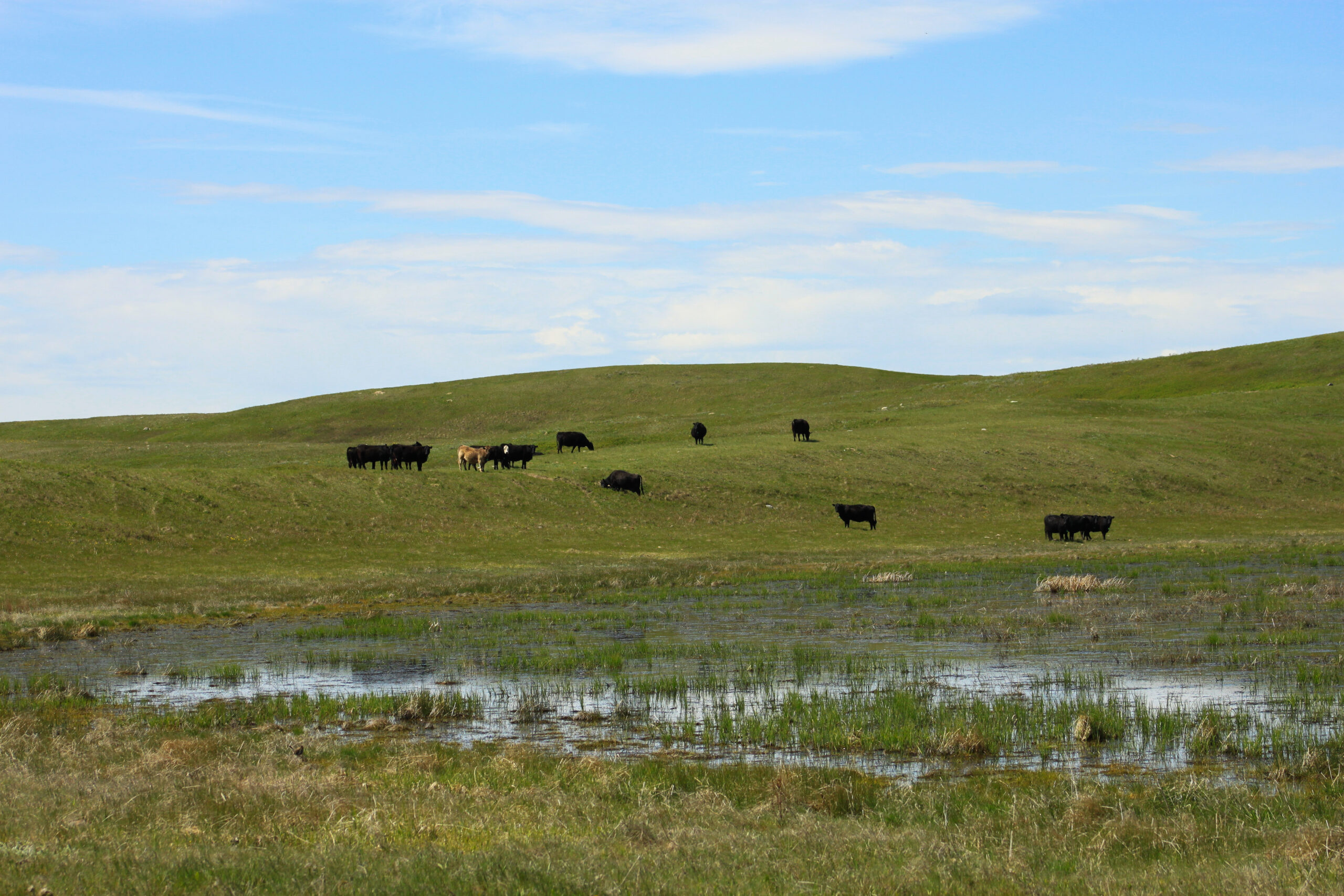
When people think about native prairie grasslands, they often picture wide-open spaces and grazing cattle. But those grasslands are also home to a surprising amount of wildlife and play an important role in keeping prairie landscapes healthy.
During a recent Prairie Conservation Action Plan (PCAP) webinar, Ellie Annett with the Alberta Prairie Conservation Forum discussed the importance of native grasslands and the role they continue to play across the Prairies.
One of the defining features of native prairie is its deep-rooted grasses. Some native species send roots several metres below the soil surface, helping plants access moisture during dry conditions and hold soil in place during periods of heavy rain. Those root systems also help improve soil structure and support the many plants and animals that call grasslands home.
While grass is the defining feature of these landscapes, grasslands support a much wider range of life than many people realize. Wildflowers, insects, birds, reptiles and mammals all depend on healthy prairie ecosystems. Annett noted that Alberta’s grasslands support approximately 115 grass species.
Despite their value, native grasslands continue to disappear. According to Annett, only about 20 per cent of Alberta’s original grasslands remain. As land is converted for roads, communities, energy projects and other development, habitat becomes increasingly fragmented, making it more difficult for some species to thrive.
A number of grassland-dependent species are now considered at risk, including the chestnut-collared longspur, burrowing owl, ferruginous hawk and swift fox. Habitat loss remains one of the biggest challenges facing these populations.
The webinar also highlighted the connection between grazing and healthy grasslands. Historically, bison played an important role in shaping prairie ecosystems through grazing and nutrient cycling. Today, managed cattle grazing can help maintain grassland health while supporting livestock production.
Native prairie also offers practical benefits for producers. Deep-rooted grasses help retain moisture and reduce erosion, while native range provides forage for livestock. Maintaining healthy grasslands supports both agricultural production and the wildlife that depends on these landscapes.
It’s easy to look across a pasture and just see grass, but native prairie does a lot more than that. From supporting livestock production to providing habitat for wildlife, these landscapes remain an important part of life on the Prairies.
Leave a Comment

Latest News
-
September 30, 2026 Health & Production
Native grasslands support more than just forage
-
September 30, 2026 News
Alberta commits $1 million to Genome Alberta work placements
-
September 29, 2026 Business Tools
CCIA launches livestock traceability survey
Cattle Report
Updated: September 29, 2026
Steers
Live: ---
Rail: ---
Heifers
Live: ---
Rail: ---
Choice Steers
Live: ---
Rail: ---
Choice Heifers
Live: ---
Rail: ---
Boner Cows
Over 500 lbs: 275.58
Canadian Dollar
$70.76 0.07
Livestock Price Insurance Index
| Expiry | Fed | Feeder | Calf |
|---|---|---|---|
| 21-Dec-26 | 284 | 444 | -- |
| 18-Jan-27 | 282 | 444 | -- |
| 15-Feb-27 | 280 | 434 | -- |
| 15-Mar-27 | 280 | 432 | -- |
| 12-Apr-27 | 286 | 430 | -- |
| 10-May-27 | 294 | 432 | -- |
| 07-May-27 | 298 | 438 | -- |
Last Updated on September 24, 2026

Add abpdaily.com to your home screen
Tap the menu button next to the address bar or at the bottom of your browser.
Select ‘Install’ or ‘Add to Homescreen’ to stay connected.
Share this article on
About the Author
Kara grew up on a grain farm near Bow Island, Alta. After studying at SAIT and the University of Calgary, where she earned a degree in communication and media studies and a diploma in broadcast news, she began her career in agricultural communications and journalism.