Live: ---
Rail: 480.00 del

{{ weatherTemp }}°C
{{ weatherCity }}

AB Direct - Steers
AB Direct - Heifers
Live: ---
Rail: 480.00 del
Rail: 480.00 del
US Trade- Steers
Live: 210.00 (IA)*few
Rail: 335.00 (IA)*few
Rail: 335.00 (IA)*few
US Trade - Heifers
Live: 210.00 (IA) *few
Rail: 335.00 (IA)*few
Rail: 335.00 (IA)*few
Canadian Dollar
$70.28
0.05
0.05
November 13, 2026
Health & Production
Winter feeding decisions start with body condition
Assessing condition now can help manage feed costs, adjust rations and prepare for the demands of calving
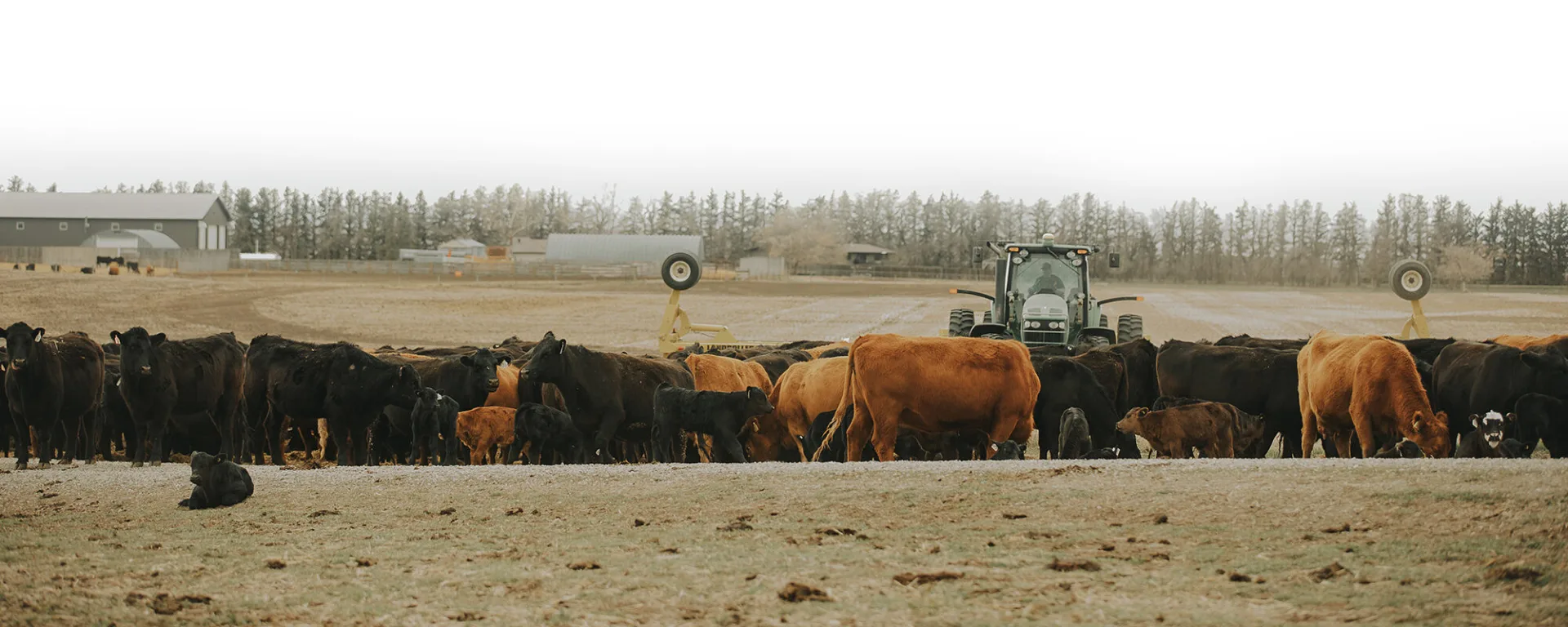
As winter feeding gets underway across Alberta, one of the most useful tools for managing cattle nutrition doesn’t require any specialized equipment. It starts with assessing body condition.
Body condition scoring helps producers evaluate the fat reserves of their cattle and make informed decisions about feeding, grouping and supplementation.
According to the Beef Cattle Research Council (BCRC), cows entering winter in good condition are better equipped to handle cold temperatures and the increasing nutritional demands of pregnancy.
Know your score
In Canada, beef cattle body condition is measured on a five-point scale, with a score of 1 representing an extremely thin animal and 5 representing an obese animal. A score of approximately 3 is considered ideal.

Assessing condition involves feeling for fat cover over the ribs, spine, hips and tailhead. Visual assessment alone can be misleading, particularly as winter hair coats develop.
Cows that enter winter below their ideal condition may require additional energy to maintain body temperature and support pregnancy.
Adjust feeding before calving
The BCRC notes that improving body condition becomes more difficult and expensive as winter progresses.
With feed representing a significant operating expense, understanding body condition can help producers balance herd health, reproductive performance and winter feeding costs.
For example, moving a 1,400-pound cow from a body condition score of 2 to 3 requires approximately 200 pounds of weight gain. Achieving that improvement over 90 days requires about 20 per cent more energy than simply maintaining condition.
Grouping thinner cows separately, providing higher-quality feed where needed and monitoring condition throughout the winter can help producers direct feed resources where they will have the greatest benefit.
Nutritional requirements also change as cows approach calving, making regular assessment important throughout the feeding season.
The Beef Cattle Research Council’s body condition resource includes practical guidance and demonstrations to help producers assess their cattle.
Leave a Comment

You might also be interested in
-
January 21, 2026 Business Tools
Youth Ambassador Program kicks off at OH Ranch
-
October 18, 2025 News
Youth take spotlight at OH Ranch
Cattle Report
Updated: November 13, 2026
Steers
Live: ---
Rail: 480.00 del
Heifers
Live: ---
Rail: 480.00 del
Choice Steers
Live: 210.00 (IA)*few
Rail: 335.00 (IA)*few
Choice Heifers
Live: 210.00 (IA) *few
Rail: 335.00 (IA)*few
Boner Cows
Over 500 lbs: 240.06
Canadian Dollar
$70.28 0.05
Livestock Price Insurance Index
| Expiry | Fed | Feeder | Calf |
|---|---|---|---|
| 08-Feb-27 | 280 | 456 | -- |
| 08-Mar-27 | 282 | 454 | -- |
| 05-Apr-27 | 299 | 452 | -- |
| 03-May-27 | 294 | 450 | -- |
| 31-May-27 | 302 | 454 | -- |
| 28-Jun-27 | 300 | 454 | -- |
| 26-Jul-27 | 294 | -- | -- |
Last Updated on November 13, 2026

Add abpdaily.com to your home screen
Tap the menu button next to the address bar or at the bottom of your browser.
Select ‘Install’ or ‘Add to Homescreen’ to stay connected.
Share this article on
About the Author
Brad Brinkworth has a deep background in strategic communications and content, working across agriculture in Alberta and beyond. He grew up with extended family involved in both crop and livestock farming, and holds a degree in Journalism and Communications from the University of Minnesota. Brad enjoys telling the story of agriculture and creating clear, purposeful content that connects with producers. He and his family are based in Calgary.