Live: ---
Rail: ---

{{ weatherTemp }}°C
{{ weatherCity }}

AB Direct - Steers
AB Direct - Heifers
Live: ---
Rail: ---
Rail: ---
US Trade- Steers
Live: ---
Rail: ---
Rail: ---
US Trade - Heifers
Live: ---
Rail: ---
Rail: ---
Canadian Dollar
$70.04
0.01
0.01
November 17, 2026
News
OFCAF funding queue opens November 20 for Alberta producers
Alberta producers interested in funding through the 2027 On-Farm Climate Action Fund (OFCAF) will be available to join the application queue starting November 20, 2026.
Results Driven Agriculture Research (RDAR) will begin accepting applications on November 20, with funding decisions beginning in April 2027. Funding will be awarded on a first-come, first-served basis until the available $16.5 million has been allocated.
The early opening gives producers the winter months to prepare and submit their applications before reviews begin. Producers should be aware that only complete applications, including all required supporting documents, will secure a place in the que.
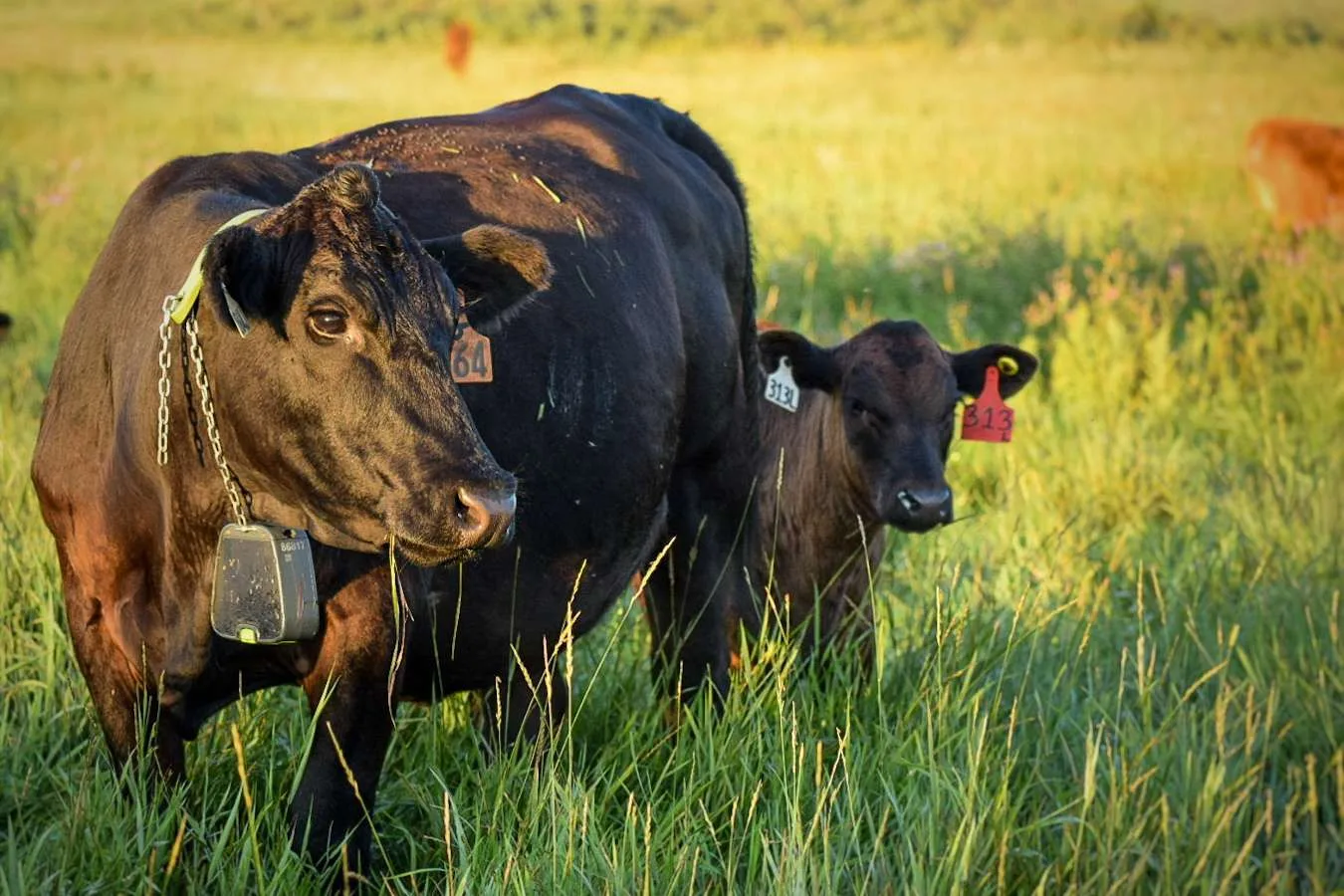
The program supports projects related to nitrogen management, cover cropping, and rotational grazing. Eligibility requirements for 2027 are largely unchanged from 2026, although virtual fencing collars are now eligible for sheep and goat operations in addition to cattle.
Projects must have a minimum value of $10,000 to qualify. OFCAF covers up to 85 per cent of eligible project costs, with producers responsible for the remaining 15 per cent.Each operation can receive a maximum of $100,000 through the program over its lifetime, including funding received in previous years.
Producers should also note that only costs incurred between April 1, 2027, and March 31, 2028, are eligible for reimbursement. Equipment, materials, or services received before April 1, 2027, will not qualify.
Since 2022, RDAR has approved more than 4,000 OFCAF projects across Alberta, representing more than $65 million in funding. Virtual fencing was added as an eligible rotational grazing practice in 2026 and allows producers to manage grazing areas using GPS-enabled collars rather than physical fencing.
More information, including eligibility requirements and application details, can be found here.
Leave a Comment

Latest News
-
November 17, 2026 News
OFCAF funding queue opens November 20 for Alberta producers
-
November 17, 2026 Business Tools
Cows on Cropland
-
November 16, 2026 Current Markets & Forecasts
Canfax report for the week of November 16, 2026
Cattle Report
Updated: November 17, 2026
Steers
Live: ---
Rail: ---
Heifers
Live: ---
Rail: ---
Choice Steers
Live: ---
Rail: ---
Choice Heifers
Live: ---
Rail: ---
Boner Cows
Over 500 lbs: 238.14
Canadian Dollar
$70.04 0.01
Livestock Price Insurance Index
| Expiry | Fed | Feeder | Calf |
|---|---|---|---|
| 08-Feb-27 | 280 | 456 | -- |
| 08-Mar-27 | 282 | 454 | -- |
| 05-Apr-27 | 299 | 452 | -- |
| 03-May-27 | 294 | 450 | -- |
| 31-May-27 | 302 | 454 | -- |
| 28-Jun-27 | 300 | 454 | -- |
| 26-Jul-27 | 294 | -- | -- |
Last Updated on November 13, 2026

Add abpdaily.com to your home screen
Tap the menu button next to the address bar or at the bottom of your browser.
Select ‘Install’ or ‘Add to Homescreen’ to stay connected.
Share this article on
About the Author
Kara grew up on a grain farm near Bow Island, Alta. After studying at SAIT and the University of Calgary, where she earned a degree in communication and media studies and a diploma in broadcast news, she began her career in agricultural communications and journalism.