Live: ---
Rail: 500.00 del

{{ weatherTemp }}°C
{{ weatherCity }}

AB Direct - Steers
AB Direct - Heifers
Live: ---
Rail: 500.00 del
Rail: 500.00 del
US Trade- Steers
Live: 220.00 (IA)*few
Rail: 345.00-355.00 (IA, NE)
Rail: 345.00-355.00 (IA, NE)
US Trade - Heifers
Live: 220.00 (IA)*few
Rail: 345.00-355.00 (IA, NE)
Rail: 345.00-355.00 (IA, NE)
Canadian Dollar
$70.94
0.25
0.25

June 12, 2026
Checking in with ABP
ABP Working Groups address key issues
From traceability to trade structure, coal mining to wildlife conflict, ABP has active working groups on four of the most important files facing Alberta beef producers.
Here are updates from each of the groups:
Traceability
Following the direction of resolutions carried by delegates at the 2026 Annual General Meeting, ABP’s board is forming a dedicated Traceability Working Group. The working group will examine traceability closely, with the objective of providing producer-driven feedback and solutions that reflect on-the-ground realities across Alberta’s beef sector.
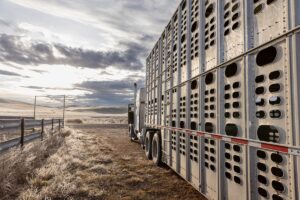
Members of the working group are being finalized, and will include representatives from ABP’s executive, directors and delegates; partner cattle organizations; and groups such as the Government of Alberta.
The working group will be supported by a dedicated facilitator to maintain clear timelines, while also ensuring issues are thoroughly examined. The goal is to develop realistic, workable recommendations to present to decision-makers.
Traceability systems need to be science-based and practical, ensuring they don’t create unnecessary burdens in day-to-day operations. ABP is committed to finding a path forward that works for cattle producers across the value chain, from cow-calf through to feeding.
Canadian Cattle Association
In August, ABP announced its withdrawal from the Canadian Cattle Association (CCA), effective July 1, 2026. In response, provincial members came together to discuss shared concerns, and a joint statement formalizing the creation of a Provincial Working Group (PWG) was published in the fall issue of ABP magazine.
With the help of an independent facilitator, the PWG—made up of representatives from all nine member provinces—examined the topics of national governance, structure, and funding.
In March, the PWG presented a set of recommendations to the CCA, and agreement was reached in principle on a new organizational structure and funding approach. The CCA considered those recommendations further at the CCA annual general meeting. There they passed several resolutions, including those summarized below (not in full):
- Adoption of a new provincial funding model of $0.53 per head (retained marketings), reviewed every three years.
- Agreement in principle to a restructured CCA board and updated provincial representation effective 2027-28.
- Creation of a provincial member council and an interim Governance Committee.
- Development of enhanced financial oversight (finance chair/committee).
- Approval of up to $50,000 from reserves to support implementation work.
Further conversations are expected to take place at the CCA semi-annual general meeting in August.
ABP believes in a strong national organization to represent producers federally and internationally. We are hopeful that the PWG will see continued momentum from the CCA following strong support in principle. A final report from the PWG will be developed and shared with the CCA this spring.
Coal
ABP formed a working group to develop a policy related to coal mining in the Eastern Slopes, in collaboration with a consulting firm. The group is made up of local producers, representatives from the Western Stock Growers’ Association, the Alberta Grazing Leaseholders Association, and the Alberta Cattle Feeders’ Association, and ABP delegates and staff.
Since January, the group has met four times (January, February, and twice in April) to review background materials and build a shared understanding of the issue. Meetings have included presentations from subject-matter experts on key topics, including toxicological considerations in cattle, selenium management of effluent, environmental impacts of coal mining, and current regulatory frameworks for coal mines. These sessions have helped inform discussion and identify key risks and considerations for the beef industry.
Work to date has focused on gathering information and perspectives to support a practical and informed outcome. The working group is now moving toward drafting the policy. A meeting was held in May, with the goal of developing a clear policy position and outlining the recommended direction for ABP.
Wildlife
The Wildlife Working Group is made up of six ABP delegates, along with Wildlife Policy Advisor Sam Vriend. They have been meeting monthly to discuss relevant wildlife-specific topics and establish direction for how to best meet wildlife-specific resolutions carried by the board and delegate body.
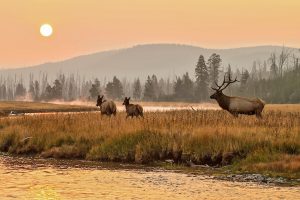
Over the past several years, there have been several key themes emerging amongst ABP’s wildlife-specific resolutions. These themes include producer issues with current wildlife mitigation, compensation, and control strategies and programs, particularly as they relate to herbivores and predators. Concerns with elk and grizzly bear populations have specifically been at the forefront for many producers.
In recent meetings, the Wildlife Working Group has been discussing ways in which current predator and herbivore systems can be improved. The group has been focused on Alberta’s Wildlife Management Responder Network program and will soon be reviewing predator and herbivore management strategies used by other jurisdictions.
This was first published in Volume 6 Issue 2 of ABP Magazine (June 2026). Watch for more digital content from the magazine on ABP Daily.
Share this article on



You might also be interested in
-
May 21, 2026 Checking in with ABP
Managing Wildlife Pressure: Practical tips for reducing losses
-
March 3, 2026 Checking in with ABP
Alberta Beef Producers hosts Producer Town Hall on Traceability
Cattle Report
Updated: October 16, 2026
Steers
Live: ---
Rail: 500.00 del
Heifers
Live: ---
Rail: 500.00 del
Choice Steers
Live: 220.00 (IA)*few
Rail: 345.00-355.00 (IA, NE)
Choice Heifers
Live: 220.00 (IA)*few
Rail: 345.00-355.00 (IA, NE)
Boner Cows
Over 500 lbs: 258.94
Canadian Dollar
$70.94 0.25
Livestock Price Insurance Index
| Expiry | Fed | Feeder | Calf |
|---|---|---|---|
| 08-Feb-27 | 290 | 458 | -- |
| 08-Mar-27 | 290 | 454 | -- |
| 05-Apr-27 | 294 | 452 | -- |
| 03-May-27 | 300 | 450 | -- |
| 31-May-27 | 306 | 456 | -- |
| 28-Jun-27 | 302 | 456 | -- |
| - | - | - | - |
Last Updated on October 15, 2026