Live: ---
Rail: 495.00-500.00 del

{{ weatherTemp }}°C
{{ weatherCity }}

AB Direct - Steers
AB Direct - Heifers
Live: ---
Rail: 495.00-500.00 del
Rail: 495.00-500.00 del
US Trade- Steers
Live: 218.00 (IA, NE)
Rail: 345.00 (NE, IA)
Rail: 345.00 (NE, IA)
US Trade - Heifers
Live: 218.00 (IA, NE)
Rail: 345.00 (NE, IA)
Rail: 345.00 (NE, IA)
Canadian Dollar
$70.27
0.26
0.26
June 25, 2026
Checking in with ABP
Water well monitoring made simple
New Technical Guideline helps clarify water well monitoring requirements
A new technical guideline is now available to help confined feeding operation (CFO) owners and operators better understand how to monitor water wells located near manure storage facilities and manure collection areas.
The new Water Well Monitoring Parameters Technical Guideline was developed by the Technical Advisory Group (TAG), a collaboration involving the Government of Alberta, the Natural Resources Conservation Board (NRCB), and members of the agricultural industry.
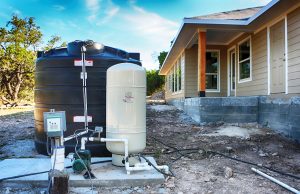
According to Vince Murray, AOPA engineer with the Government of Alberta and co-chair of TAG, the guideline was created to help clarify monitoring requirements when water well monitoring is required under Alberta’s Agricultural Operation Practices Act (AOPA).
“This resource provides guidance on monitoring water wells used for domestic or livestock purposes located near confined feeding operations or manure facilities that require monitoring,” says Murray.
“The guideline outlines water well monitoring parameters, sampling methods, frequency and how to interpret the results.”
The guideline focuses on monitoring household or farm water wells that may be located near confined feeding operations, manure storage facilities, or manure collection areas.
In Alberta, annual water well sampling is recommended for anyone using a household or farm water well. The NRCB, as the regulator, may also require water well monitoring at confined feeding operations or manure storage facilities depending on site conditions and interpretation of results.
Monitoring programs typically focus on parameters that can help identify potential groundwater impacts. Chloride and nitrate-nitrogen are commonly monitored because they are found at higher levels in manure and can move relatively quickly through soil and groundwater.
Based on provincial data, chloride levels of 120 mg/L or higher, or nitrate-nitrogen levels at 3 mg/L or above, may indicate potential groundwater impacts.
In some situations, the NRCB may also request testing for E. coli and total coliform bacteria, including cases involving:
- wells that may face a higher contamination risk because of location or surrounding conditions
- increasing chloride or nitrate levels or readings above established limits
- wells that have previously tested positive for bacteria
“To make results meaningful, it is important to use consistent sampling methods, test the same indicators and report results the same way each time,” says Murray.
He also recommends using the same accredited laboratory for testing to help reduce variation in results.
Under the Standards and Administration Regulation of AOPA, new manure storage facilities or manure collection areas cannot be built within 100 metres of a household or farm water well unless it can be demonstrated to the NRCB that contamination is unlikely. In these situations, the NRCB may also require water well monitoring.
The guideline provides technical direction on monitoring parameters and procedures when monitoring is required.
Producers who are unsure whether an area on their operation is considered a manure storage facility or manure collection area can also refer to the Technical Guideline: Identifying Manure Storage Facilities and Manure Collection Areas at Confined Feeding Operations.
For questions about permit conditions, water well sampling requirements, or submitting samples, producers can contact 310-FARM or their nearest NRCB field office.
Share this article on




You might also be interested in
-
January 20, 2026 Business Tools
Thinking of Building? Contact the NRCB about permit requirements
-
June 30, 2021 Health & Production
Preventing and treating heat stress in beef cattle
Cattle Report
Updated: October 9, 2026
Steers
Live: ---
Rail: 495.00-500.00 del
Heifers
Live: ---
Rail: 495.00-500.00 del
Choice Steers
Live: 218.00 (IA, NE)
Rail: 345.00 (NE, IA)
Choice Heifers
Live: 218.00 (IA, NE)
Rail: 345.00 (NE, IA)
Boner Cows
Over 500 lbs: 268.04
Canadian Dollar
$70.27 0.26
Livestock Price Insurance Index
| Expiry | Fed | Feeder | Calf |
|---|---|---|---|
| 04-Jan-27 | -- | -- | -- |
| 01-Feb-27 | 288 | 456 | -- |
| 01-Mar-27 | 286 | 450 | -- |
| 29-Mar-27 | 290 | 448 | -- |
| 26-Apr-27 | 296 | 444 | -- |
| 24-May-27 | 304 | 450 | -- |
| 21-Jun-27 | 302 | 454 | -- |
Last Updated on October 8, 2026