Live: ---
Rail: 495.00-500.00 del

{{ weatherTemp }}°C
{{ weatherCity }}

AB Direct - Steers
AB Direct - Heifers
Live: ---
Rail: 495.00-500.00 del
Rail: 495.00-500.00 del
US Trade- Steers
Live: 218.00 (IA, NE)
Rail: 345.00 (NE, IA)
Rail: 345.00 (NE, IA)
US Trade - Heifers
Live: 218.00 (IA, NE)
Rail: 345.00 (NE, IA)
Rail: 345.00 (NE, IA)
Canadian Dollar
$70.27
0.26
0.26
October 9, 2026
Current Markets & Forecasts
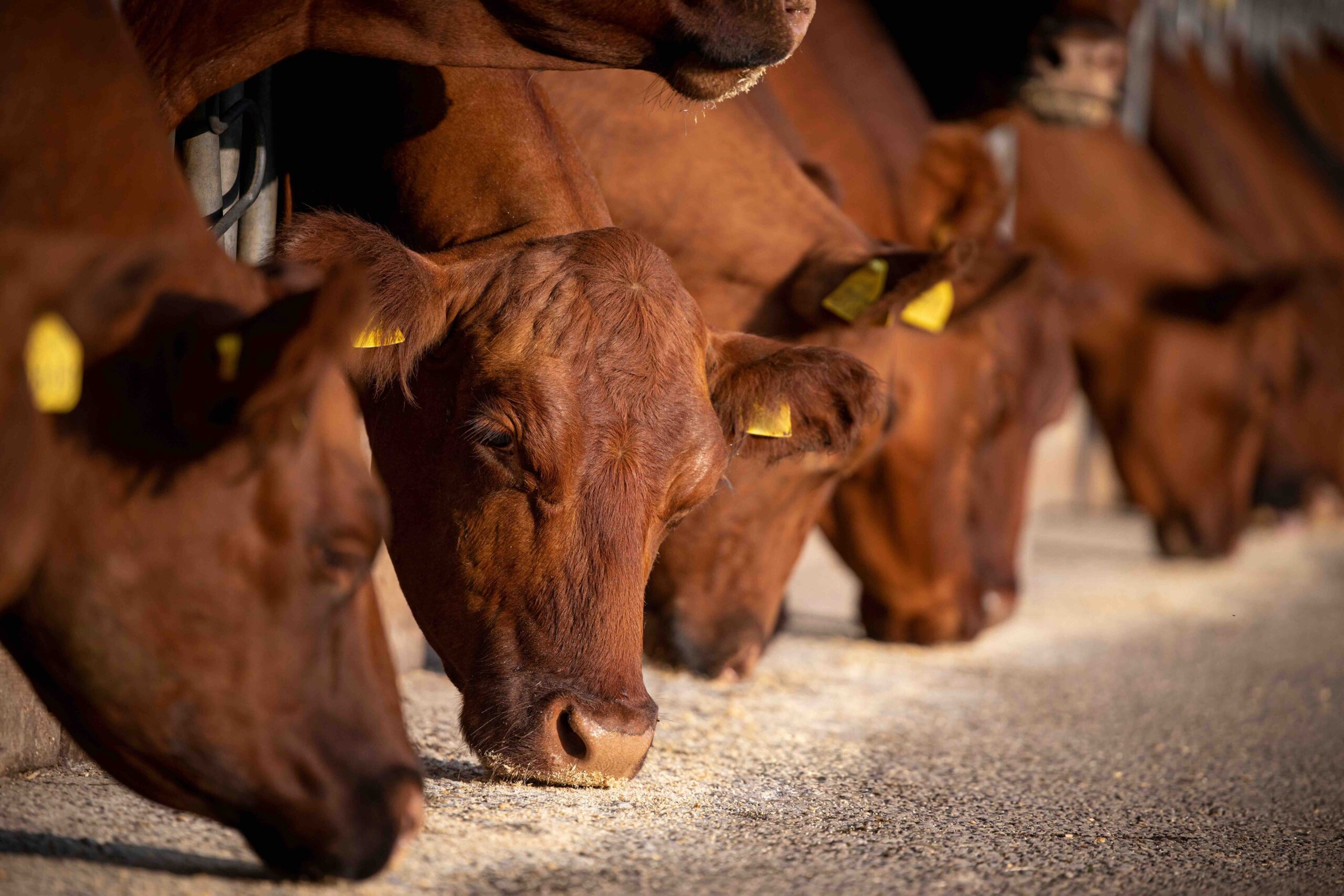
USDA lowers beef production forecasts as feed grain supplies grow
The United States Department of Agriculture (USDA) reduced its beef production forecasts for both 2026 and 2027 in its October World Agricultural Supply and Demand Estimates (WASDE) report.
For 2026, USDA lowered its beef production forecastin the second half of the year, as lower expected steer and heifer slaughter and lighter carcass weights more than offset higher cow slaughter.
The agency also reduced its 2027 beef production forecast. Lower-than-expected feedlot placements during the second half of 2026 are expected to slow cattle marketings in the first quarter of 2027, while lighter dressed weights also contributed to the lower outlook.
Despite the lower beef production forecasts, USDA left its cattle price forecasts unchanged for both 2026 and 2027.
USDA raised its beef import forecast for 2026, primarily due to stronger shipments from Australia. The import forecast was also raised for the second half of 2027, on expectations of larger global supplies. Beef export forecasts were unchanged for both years.
The pork outlook moved lower, with USDA reducing production forecasts for both 2026 and 2027. The agency cited a slower pace of slaughter, lighter dressed weights and a smaller pig crop reported in the September Hogs and Pigs report. Pork export forecasts were also lowered for both years due to lower production and weaker shipments to Western Hemisphere markets.
Meanwhile, broiler and turkey production forecasts were raised based on current slaughter, weight, and hatchery data. The broiler export forecast was increased on stronger demand from Caribbean markets, while the turkey export forecast was raised based on the recent pace of exports and increased production. Turkey price forecasts for both years also moved higher on tight supplies of whole birds.
On the crop side, USDA increased its 2026/27 U.S. corn production forecast by 234 million bushels to 16 billion bushels as the projected yield rose to 181.2 bushels per acre.
Corn ending stocks were raised by 282 million bushels to 1.8 billion bushels, while the season-average farm price was lowered by 10 cents to US$4.70 per bushel.
USDA increased U.S. wheat feed and residual use by 10 million bushels after first-quarter grain stocks data indicated stronger-than-expected domestic disappearance. Globally, wheat consumption was raised on higher feed and residual use in China and the European Union.
The report also increased Canada’s wheat production estimate by 500,000 tonnes to 36.5 million tonnes on higher yields and raised Canada’s wheat export forecast.
World corn ending stocks were increased by 8.3 million tonnes to 280.4 million tonnes, largely reflecting larger U.S. supplies.
Leave a Comment

Latest News
-
October 9, 2026 Current Markets & Forecasts
USDA lowers beef production forecasts as feed grain supplies grow
-
October 9, 2026 Checking in with ABP
Giving thanks to the people behind our food
-
October 9, 2026 News
Nuffield Canada names four new scholars for 2027
Cattle Report
Updated: October 9, 2026
Steers
Live: ---
Rail: 495.00-500.00 del
Heifers
Live: ---
Rail: 495.00-500.00 del
Choice Steers
Live: 218.00 (IA, NE)
Rail: 345.00 (NE, IA)
Choice Heifers
Live: 218.00 (IA, NE)
Rail: 345.00 (NE, IA)
Boner Cows
Over 500 lbs: 268.04
Canadian Dollar
$70.27 0.26
Livestock Price Insurance Index
| Expiry | Fed | Feeder | Calf |
|---|---|---|---|
| 04-Jan-27 | -- | -- | -- |
| 01-Feb-27 | 288 | 456 | -- |
| 01-Mar-27 | 286 | 450 | -- |
| 29-Mar-27 | 290 | 448 | -- |
| 26-Apr-27 | 296 | 444 | -- |
| 24-May-27 | 304 | 450 | -- |
| 21-Jun-27 | 302 | 454 | -- |
Last Updated on October 8, 2026

Add abpdaily.com to your home screen
Tap the menu button next to the address bar or at the bottom of your browser.
Select ‘Install’ or ‘Add to Homescreen’ to stay connected.
Share this article on
About the Author
Kara grew up on a grain farm near Bow Island, Alta. After studying at SAIT and the University of Calgary, where she earned a degree in communication and media studies and a diploma in broadcast news, she began her career in agricultural communications and journalism.