Live: ---
Rail: 487.00-496.75 FOB feedlot (last week)

{{ weatherTemp }}°C
{{ weatherCity }}

AB Direct - Steers
AB Direct - Heifers
Live: ---
Rail: 487.00-496.75 FOB feedlot (last week)
Rail: 487.00-496.75 FOB feedlot (last week)
US Trade- Steers
Live: 228.00 (NE, IA) 230.00 (TX, KS) last week
Rail: 358.00 (IA, NE) last week
Rail: 358.00 (IA, NE) last week
US Trade - Heifers
Live: 228.00 (NE, IA) 230.00 (TX, KS) last week
Rail: 358.00 (IA, NE) last week
Rail: 358.00 (IA, NE) last week
Canadian Dollar
$71.36
0.21
0.21
October 26, 2026
Business Tools
Five things to check on cattle mineral supplement labels
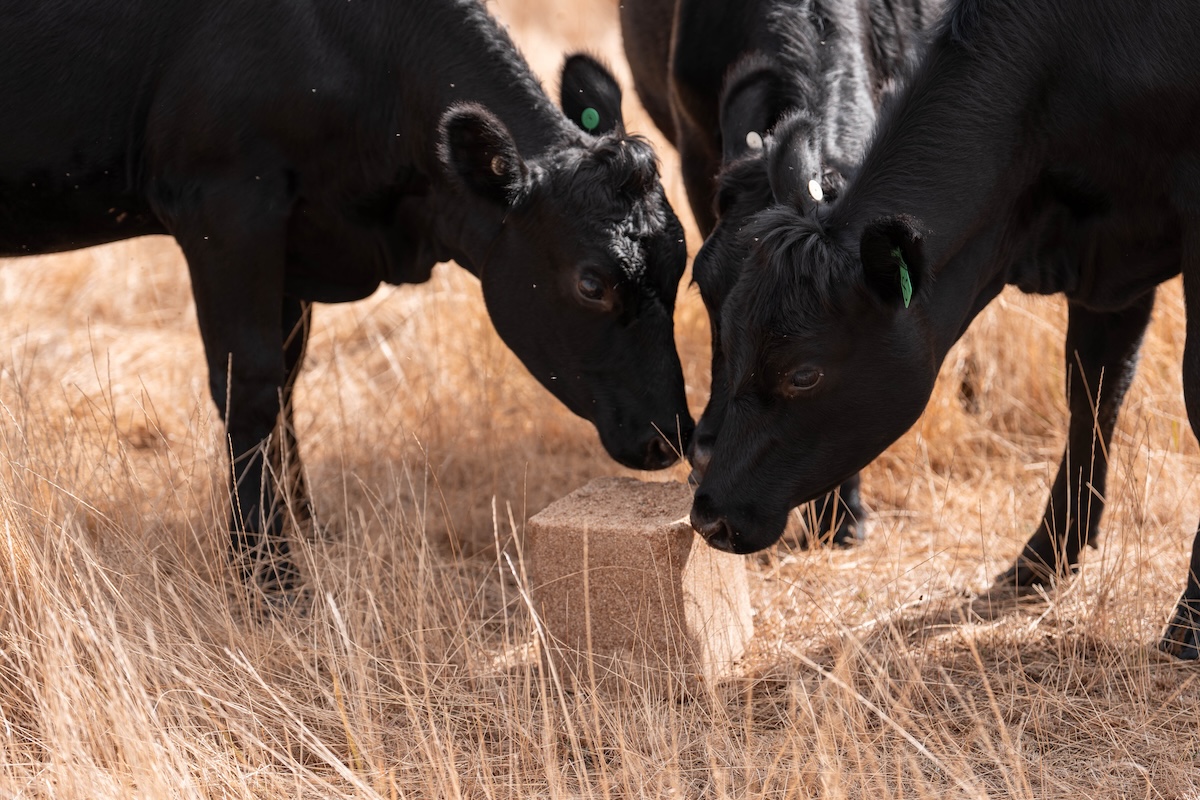
Not all mineral supplements are created equal. Two products may look similar, but differences in nutrient concentrations, recommended feeding rates and ingredients can affect how much nutrition cattle actually receive.
A new resource from the Beef Cattle Research Council (BCRC) helps producers make sense of mineral supplement labels and compare products based on their herd’s nutritional needs.
The council’s Mineral Labels Made Simple resource includes an interactive mineral label and examples showing how feeding rates and nutrient concentrations translate into daily nutrient intake.
As producers prepare their winter feeding programs, understanding what’s on the label can help them make more informed supplementation decisions.
What to look for on the label
BCRC identifies five key areas producers should consider when evaluating mineral products.
1. Product name
The name generally identifies the type of supplement and the class of livestock it’s designed for, such as growing cattle or breeding cows.
Some products also include a calcium-to-phosphorus ratio. For example, a 2:1 mineral contains twice as much calcium as phosphorus, although that ratio doesn’t indicate the actual quantity of either nutrient.
2. Recommended feeding rate
Feeding directions indicate how much of the product cattle should consume, typically expressed in grams per head per day.
This is important when comparing products. A supplement with a higher nutrient concentration may not necessarily deliver more of that nutrient if it’s intended to be fed at a lower rate.
3. Guaranteed analysis
The guaranteed analysis lists the concentrations of nutrients in the product, including major minerals such as calcium and phosphorus, trace minerals such as copper and zinc, and vitamins.
BCRC emphasizes that producers need to consider both nutrient concentration and recommended intake to determine how much of each nutrient cattle will actually receive.
These amounts should be evaluated alongside the nutrients already available through feed and water.
4. Feed ingredients
Ingredient information can help producers identify the sources of minerals used in a supplement.
Different sources can affect how readily nutrients are absorbed and used by cattle. For example, organic and inorganic trace minerals may differ in their bioavailability.
Ingredient lists may not always appear directly on the product label, but the information must be available to purchasers.
5. Medications and additives
Some mineral products contain medicating ingredients or other additives.
Where medications are included, labels must identify the medicating ingredients and provide applicable feeding directions, precautions and withdrawal information.
Producers should review these details carefully to ensure the product is appropriate for its intended use.
Making the most of mineral supplementation
Choosing the right supplement involves more than comparing the numbers on a bag.
Mineral requirements vary with cattle age, production stage and the nutritional quality of available feed. Actual consumption also matters, particularly with free-choice products where intake can vary among animals.
BCRC recommends monitoring mineral intake and consulting a nutritionist, veterinarian or extension specialist when evaluating supplementation programs.
Source: Adapted from information supplied from the Beef Cattle Research Council (BCRC). BCRC is funded by a portion of the Canadian Beef Cattle Check-Off.
Leave a Comment

You might also be interested in
-
August 31, 2026 Health & Production
Balancing cost, labour, and nutrition in cattle mineral programs
-
August 19, 2026 Health & Production
Mineral absorption key to getting more from supplementation
Cattle Report
Updated: October 26, 2026
Steers
Live: ---
Rail: 487.00-496.75 FOB feedlot (last week)
Heifers
Live: ---
Rail: 487.00-496.75 FOB feedlot (last week)
Choice Steers
Live: 228.00 (NE, IA) 230.00 (TX, KS) last week
Rail: 358.00 (IA, NE) last week
Choice Heifers
Live: 228.00 (NE, IA) 230.00 (TX, KS) last week
Rail: 358.00 (IA, NE) last week
Boner Cows
Over 500 lbs: 252.50
Canadian Dollar
$71.36 0.21
Livestock Price Insurance Index
| Expiry | Fed | Feeder | Calf |
|---|---|---|---|
| 18-Jan-27 | 292 | 470 | -- |
| 15-Feb-27 | 292 | 460 | -- |
| 15-Mar-27 | 292 | 460 | -- |
| 12-Apr-27 | 298 | 446 | -- |
| 10-May-27 | 304 | 458 | -- |
| 07-Jun-27 | 310 | 462 | -- |
| 05-Jul-27 | 302 | -- | -- |
Last Updated on October 22, 2026

Add abpdaily.com to your home screen
Tap the menu button next to the address bar or at the bottom of your browser.
Select ‘Install’ or ‘Add to Homescreen’ to stay connected.
Share this article on
About the Author
The Beef Cattle Research Council (BCRC) is Canada’s national industry-led funding agency for beef, cattle and forage research. The BCRC is funded through a portion of a producer-paid national levy as well as government and industry funding, and is directed by a committee of beef producers from across the country. Find out More