Live: ---
Rail: ---

{{ weatherTemp }}°C
{{ weatherCity }}

AB Direct - Steers
AB Direct - Heifers
Live: ---
Rail: ---
Rail: ---
US Trade- Steers
Live: ---
Rail: ---
Rail: ---
US Trade - Heifers
Live: ---
Rail: ---
Rail: ---
Canadian Dollar
$70.30
0.17
0.17
November 26, 2026
Checking in with ABP
Understanding polled, horned and scurred genetics in beef cattle
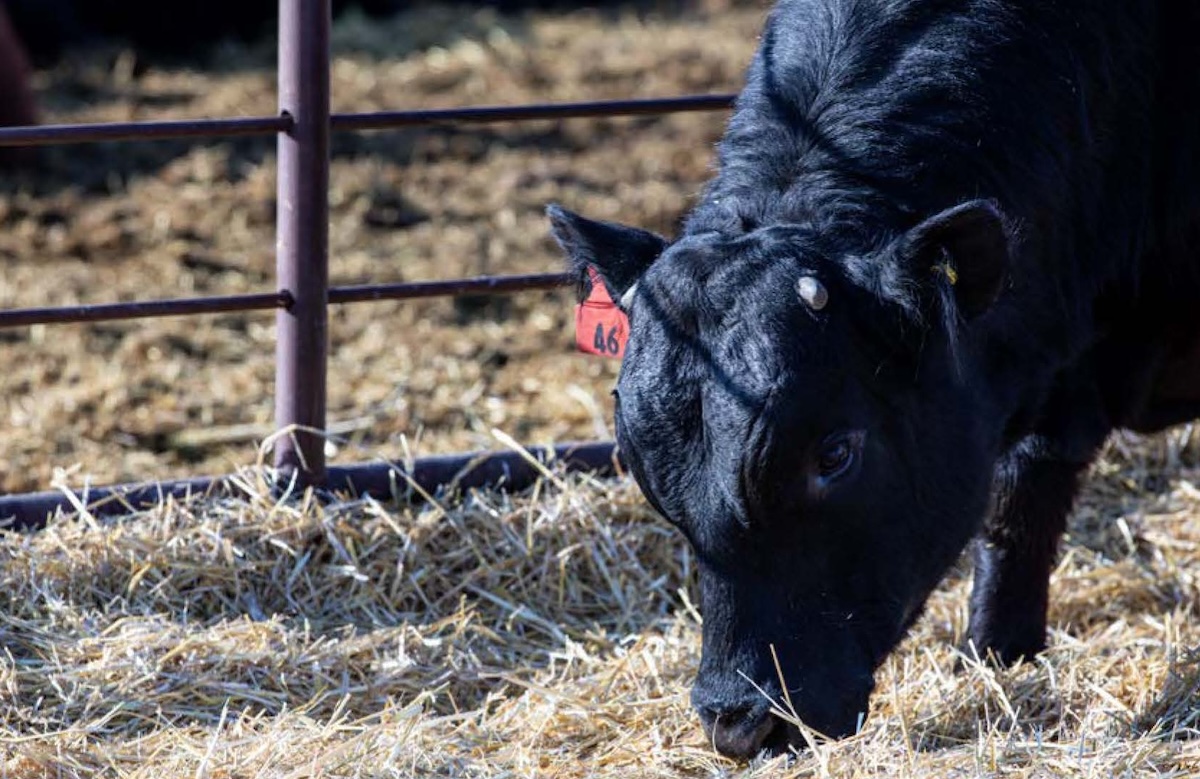
Beef producers have started to pay more attention to polled, horned, and scurred genetics in recent years as they use genetics to “skip” the dehorning step at branding time. Fortunately, this trait is relatively easy to breed for, but it requires understanding how it is inherited to plan for the desired result.
Why does it matter?
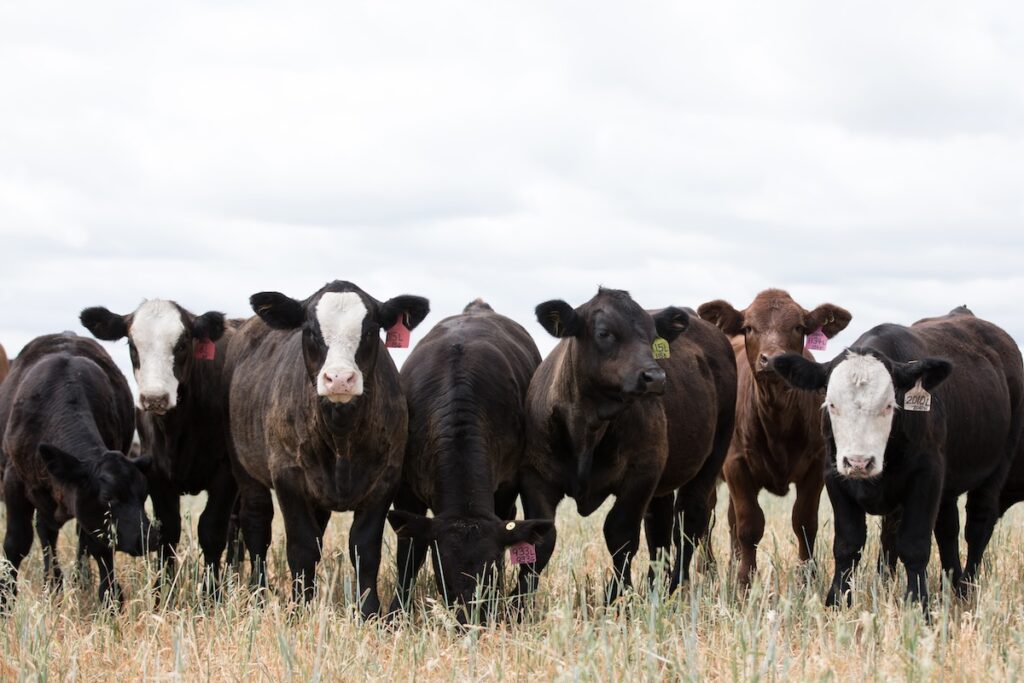
For seedstock producers, understanding horned, polled, and scurred genetic patterns is essential for breeding a calf crop that meets the desires of their customers. Some cow/calf producers seek out homozygous polled bulls, while others seek out polled bulls regardless of genotype, and others exclusively purchase horned bulls.
For operations that dehorn cattle, having polled calves can help them “skip a step” at branding time, saving time and reducing stress on calves. Later on down the beef supply chain, horns can make an impact on carcass quality if not removed. According to the 2018 National Beef Quality Audit, horns cost the beef industry approximately $0.06/head across all animals at slaughter (not just the horned ones) due to the requirement for removing horns at the packing plant. Horns can also cause carcass bruising, which can lead to further economic loss.
Many producers still benefit from the genetic merit of horned cattle, while others seek out the trait for cattle to fend off predators. Each cow/calf producer has their own reasons for seeking out a particular phenotype, and understanding how the genetics work will allow them to make that happen.
Larger, horn-like scurs can cause the same carcass damage as true horns and also add to labour requirements at the packing plant. Producers may also have to remove scurs if they decide they are too large and are causing issues, or if they grow in a manner that risks tearing off due to their loose attachment compared to true horns. For these reasons, as well as cosmetics, most producers choose to try to avoid breeding cattle with scurs.
Polled and horned inheritance
When looking at any trait influenced by genetics, producers need to think of two distinct concepts: the animal’s phenotype and genotype. The genotype is the genetic code for that attribute in the animal’s DNA (i.e. what genes the animal possesses for that trait). The phenotype is what a producer can actually see (i.e. coat colour, horned vs. polled).
Cattle have two copies of the portion of DNA which determines whether they are horned or polled. In each of these copies, they can have one of two versions of the genetic code, called alleles—the horned allele (“p”) or the polled allele (“P”). One of these alleles is inherited from the dam, while the other is from the sire. This is where the terms homozygous and heterozygous come in:
- Homozygous – two of the same alleles (i.e. two horned or two polled)
- Heterozygous – two different alleles (i.e. one horned and one polled)
Intuitively, a homozygous polled animal will be visibly polled and a homozygous horned animal will be visibly horned. For a heterozygous animal, the polled allele is dominant to the recessive horned allele, meaning that it masks the effects of the recessive allele. So, a heterozygous animal will look polled, but still carries a horned allele. Producers may recognize this pattern of recessive inheritance from other traits like black vs. red coat colour and several genetic disorders in cattle.
A breeding animal has a 50/50 chance of passing on either allele to their offspring. Homozygous polled cattle will always pass on a polled allele to mask a horned allele from the other parent.
| Genotype (the genetic code) | Phenotype (what you see) |
|---|---|
| PP – 2 polled alleles | Polled animal |
| Pp – 1 polled allele + 1 horned allele | Polled animal |
| pp – 2 horned alleles | Horned animal |
What about scurs?
Telling the difference between mature horned and polled animals is easy—they either have horns or they don’t. When scurs come into play, things get a little more complicated. Scurs:
- Are made up of horn-like material
- Range in size and shape from flat and scab-like to large and horn-shaped
- Often “wiggle” with touch—but not always!
- May attach to the skull as animals age
Accurately identifying scurs requires genetic testing rather than solely visual assessment.
The scur gene
The presence of scurs is influenced by a separate gene that’s in a different location than what’s found in horned and polled. So, the scur gene has its own two alleles: one which causes the presence of scurs (“S”), and one which leads to no scurs (“s”).
Larger, horn-like scurs can cause the same carcass damage as true horns and also add to labour requirements at the packing plant.
Like the horned/polled gene, an animal will have two copies of the scur gene with some combination of these two alleles. However, for this trait, the effects of the pair of alleles are also influenced by the animal’s sex and the alleles they have for the horned/polled gene.
Rules for scurs:
- Horned animals (pp) will not show visible scurs
- Homozygous polled animals (PP) will not show visible scurs
- Animals heterozygous at the horned/polled gene (Pp) will have scurs only if:
- For bulls: must have at least one scur allele (can be SS or Ss, but not ss)
- For females: must have two scur alleles (must be SS, not Ss or ss)
Even cattle without visible scurs, such as horned cattle, carry alleles related to the scur trait. Thus, they can pass these on to their progeny, determining whether their offspring have scurs. However, visible scurs are a sure sign that an animal is heterozygous polled, so for breeders trying to breed straight polled cattle, scurs are often something to avoid.
Photo credit: Jenna Loveridge Photography
Horned/polled genotype
The following reproduces the original genetics reference table from page 73.
| Scur Genotype | Homozygous polled (PP) | Heterozygous polled (Pp) | Homozygous horned (pp) |
|---|---|---|---|
| Homozygous scurred (SS) | PP SS Smooth polled | Pp SS Scurred | pp SS Horned |
| Heterozygous scurred (Ss) | PP Ss Smooth polled | Pp Ss Bulls – scurred Females – smooth polled | pp Ss Horned |
| Homozygous non-scurred (ss) | PP ss Smooth polled | Pp ss Smooth polled | pp ss Horned |
What to remember
Understanding the inheritance of the polled, horned, and scurred traits can be confusing at first. Here are a couple takeaways to remember when making breeding decisions:
1. If you want all polled calves with no horned calves:
– Remember that, if either parent is homozygous polled, all calves will be polled
- Using polled bulls on your cow herd will result in no horned calves, but calves might still have scurs
2. If you want to avoid scurs:
- Any polled bulls without scurs will not pass on the scur trait
- Male progeny still might have scurs if they inherit the scur allele from their dam
- Females can pass on scurs to their offspring, even if they do not have visible scurs
- Cows can carry the scur allele with any genotype at the horned/polled gene
This was first published in Volume 6 Issue 3 of ABP Magazine (September 2026). Watch for more digital content from the magazine on ABP Daily
Leave a Comment

Latest News
-
November 26, 2026 Checking in with ABP
Understanding polled, horned and scurred genetics in beef cattle
-
November 25, 2026 Health & Production
Ergot in cattle feed: New research highlights hidden risks
-
November 25, 2026 Business Tools
CRSB certification: An update on producer incentives
Cattle Report
Updated: November 25, 2026
Steers
Live: ---
Rail: ---
Heifers
Live: ---
Rail: ---
Choice Steers
Live: ---
Rail: ---
Choice Heifers
Live: ---
Rail: ---
Boner Cows
Over 500 lbs: 234.16
Canadian Dollar
$70.30 0.17
Livestock Price Insurance Index
| Expiry | Fed | Feeder | Calf |
|---|---|---|---|
| 15-Feb-27 | 288 | 454 | -- |
| 15-Mar-27 | 290 | 454 | -- |
| 12-Apr-27 | 298 | 450 | -- |
| 10-May-27 | 304 | 452 | -- |
| 07-Jun-27 | 310 | 456 | -- |
| 05-Jul-27 | 304 | -- | -- |
| 02-Aug-27 | 300 | -- | -- |
Last Updated on November 20, 2026

Add abpdaily.com to your home screen
Tap the menu button next to the address bar or at the bottom of your browser.
Select ‘Install’ or ‘Add to Homescreen’ to stay connected.
Share this article on
About the Author
With a deep-rooted passion for agriculture, Emma Cross has dedicated her career to enhancing public trust in Canadian beef production. She is a proud rancher, managing her own herd of purebred Hereford cattle, and brings firsthand experience to her role in agriculture advocacy.