Live: ---
Rail: 495.00-500.00 del

{{ weatherTemp }}°C
{{ weatherCity }}

AB Direct - Steers
AB Direct - Heifers
Live: ---
Rail: 495.00-500.00 del
Rail: 495.00-500.00 del
US Trade- Steers
Live: 218.00 (IA, NE)
Rail: 345.00 (NE, IA)
Rail: 345.00 (NE, IA)
US Trade - Heifers
Live: 218.00 (IA, NE)
Rail: 345.00 (NE, IA)
Rail: 345.00 (NE, IA)
Canadian Dollar
$70.27
0.26
0.26
June 19, 2026
News
Alberta updates Weed Control Regulation
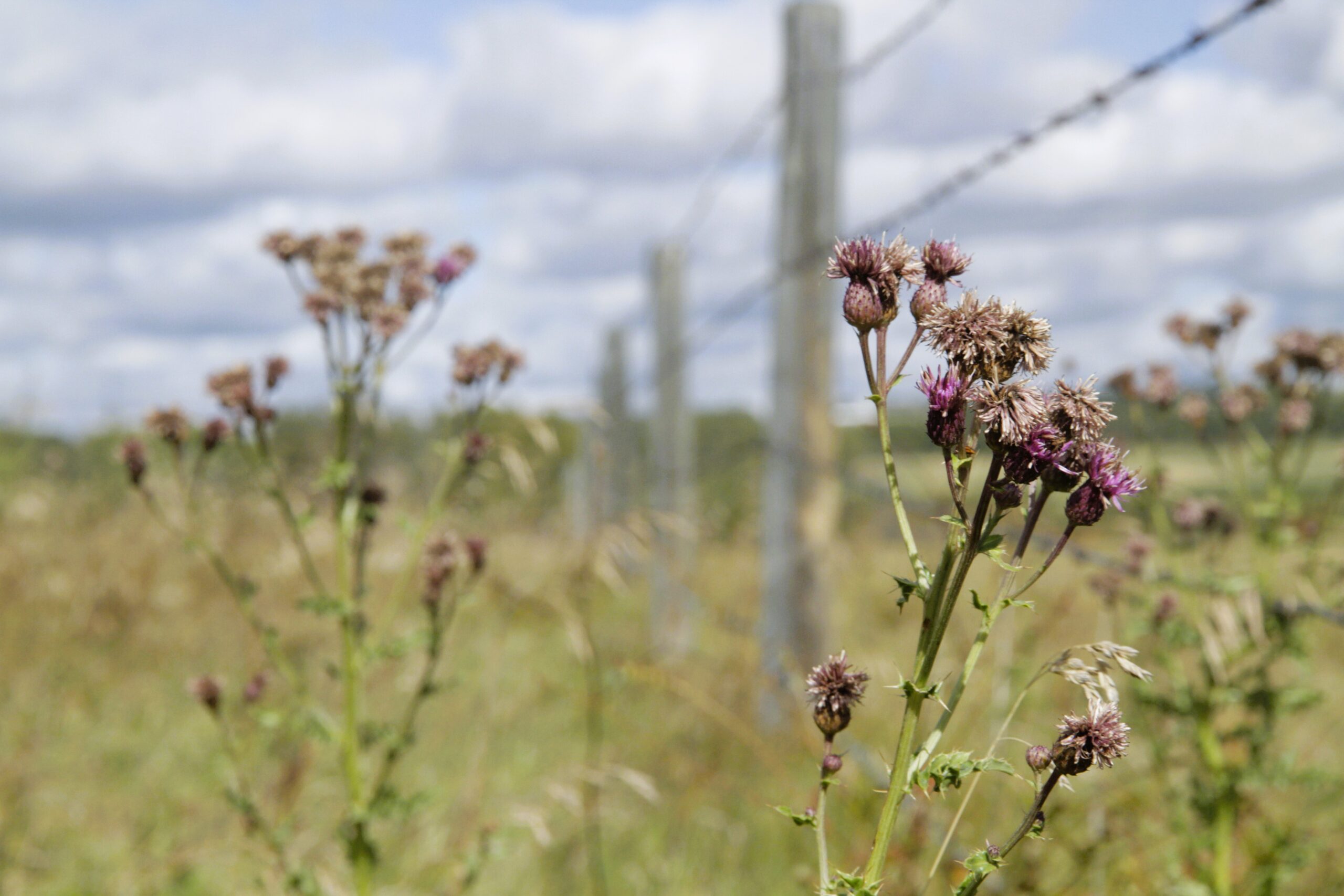
The Government of Alberta has updated the Weed Control Regulation under the Weed Control Act, making changes to the list of regulated invasive plants in the province.
According to the Alberta Invasive Species Council (AISC), the updates are intended to strengthen Alberta’s ability to manage invasive species that can threaten native ecosystems, agricultural production and local infrastructure.

Guarding against invasive species
AISC says an important role of weed regulation is to help focus management efforts where they can have the greatest impact. In many cases, regulation is most effective early in an invasion, when a species may still be contained or eradicated.
Under the Weed Control Regulation, invasive plant threats are classified into two main categories:
Prohibited Noxious. Species that are not yet established in Alberta, or are found only in small, localized areas. These species must be destroyed when found.
Noxious. Species that are already established in parts of Alberta. These species must be controlled to help prevent further spread.
Looking at what has changed
The most significant update is a revision to Alberta’s list of regulated plants. Some species have been added, some have changed categories and others have been removed.
Two species, creeping bellflower and perennial sowthistle, have been removed from the provincial regulated list. AISC notes that this does not mean the plants are no longer invasive or harmful. Rather, the change reflects the fact they have become so widespread across Alberta that provincial regulation is no longer considered the most effective management approach.
AISC says management of these widespread species is now better addressed through education, prevention and local stewardship efforts.
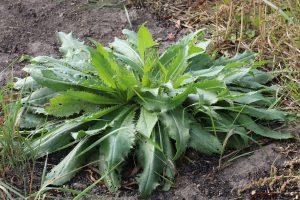
Municipalities may still regulate these plants through local bylaws. As a result, a species that is no longer regulated provincially may still be regulated at the municipal level.
Resources available
AISC offers several resources to help landowners identify and manage invasive plants, including invasive plant factsheets, the updated fifth edition of Invasive Plants of Alberta, the Weed Control Regulation and an updated Weed ID Guide. Producers can access these on the AISC Resources Page.
In addition, AISC and Alberta Agriculture and Irrigation recently hosted a webinar, Invasive Plants in Alberta: Understanding the New Weed Regulations, which will soon be made available on AISC’s YouTube channel.
The webinar explains why the regulations changed, provides an overview of invasive species management, discusses the importance of early detection and reviews several newly regulated plant species.
Share this article on




You might also be interested in
-
June 4, 2024 News
New website against weeds launched: PrairieWeeds.com
Cattle Report
Updated: October 9, 2026
Steers
Live: ---
Rail: 495.00-500.00 del
Heifers
Live: ---
Rail: 495.00-500.00 del
Choice Steers
Live: 218.00 (IA, NE)
Rail: 345.00 (NE, IA)
Choice Heifers
Live: 218.00 (IA, NE)
Rail: 345.00 (NE, IA)
Boner Cows
Over 500 lbs: 268.04
Canadian Dollar
$70.27 0.26
Livestock Price Insurance Index
| Expiry | Fed | Feeder | Calf |
|---|---|---|---|
| 04-Jan-27 | -- | -- | -- |
| 01-Feb-27 | 288 | 456 | -- |
| 01-Mar-27 | 286 | 450 | -- |
| 29-Mar-27 | 290 | 448 | -- |
| 26-Apr-27 | 296 | 444 | -- |
| 24-May-27 | 304 | 450 | -- |
| 21-Jun-27 | 302 | 454 | -- |
Last Updated on October 8, 2026