Live: ---
Rail: 491.50-497.75 FOB feedlot (last week)

{{ weatherTemp }}°C
{{ weatherCity }}

AB Direct - Steers
AB Direct - Heifers
Live: ---
Rail: 491.50-497.75 FOB feedlot (last week)
Rail: 491.50-497.75 FOB feedlot (last week)
US Trade- Steers
Live: 218.00-223.00 (IA, NE) 226.00 (TX, KS) last week
Rail: 345.00-350.00 (NE, IA) last week
Rail: 345.00-350.00 (NE, IA) last week
US Trade - Heifers
Live: 218.00-223.00 (IA, NE) 226.00 (TX, KS) last week
Rail: 345.00-350.00 (NE, IA) last week
Rail: 345.00-350.00 (NE, IA) last week
Canadian Dollar
$70.59
0.29
0.29
United States Department of Agriculture (USDA)


Featured
-

Producer Meetings
Who could say no to a $10 supper with friends and colleagues? Join fellow cattle producers for a meal and conversations at upcoming Producer Meetings.
Learn More
October 9, 2026
Current Markets & Forecasts
USDA lowers beef production forecasts as feed grain supplies grow
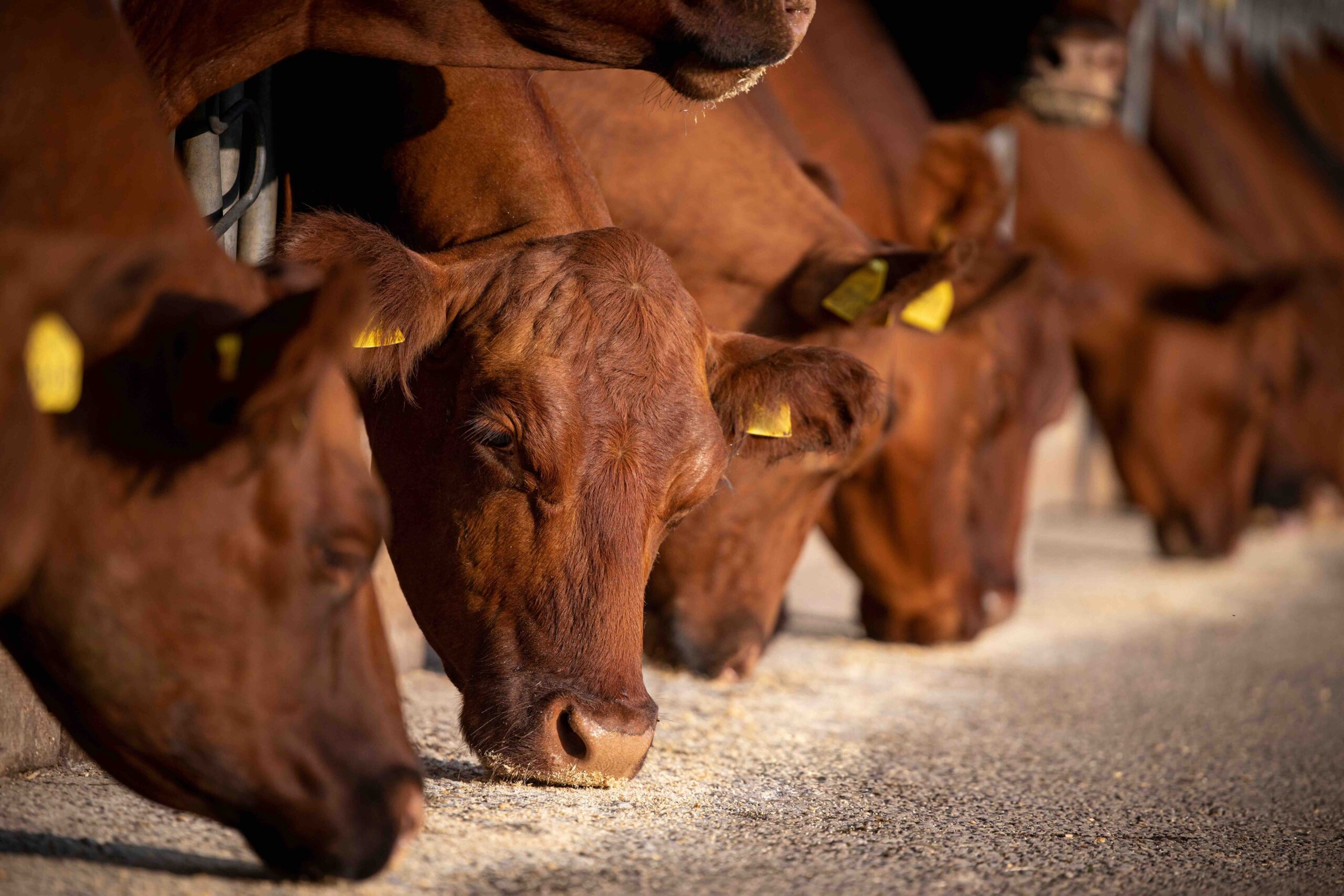
The United States Department of Agriculture (USDA) reduced its beef production forecasts for both 2026 and 2027 in its October World Agricultural Supply and Demand Estimates (WASDE) report. For 2026, USDA lowered its beef production forecastin the second half of the year, as lower expected steer and heifer slaughter and lighter carcass weights more than…
October 1, 2026
News
Corn stocks rise while wheat, barley inventories decline in latest USDA report
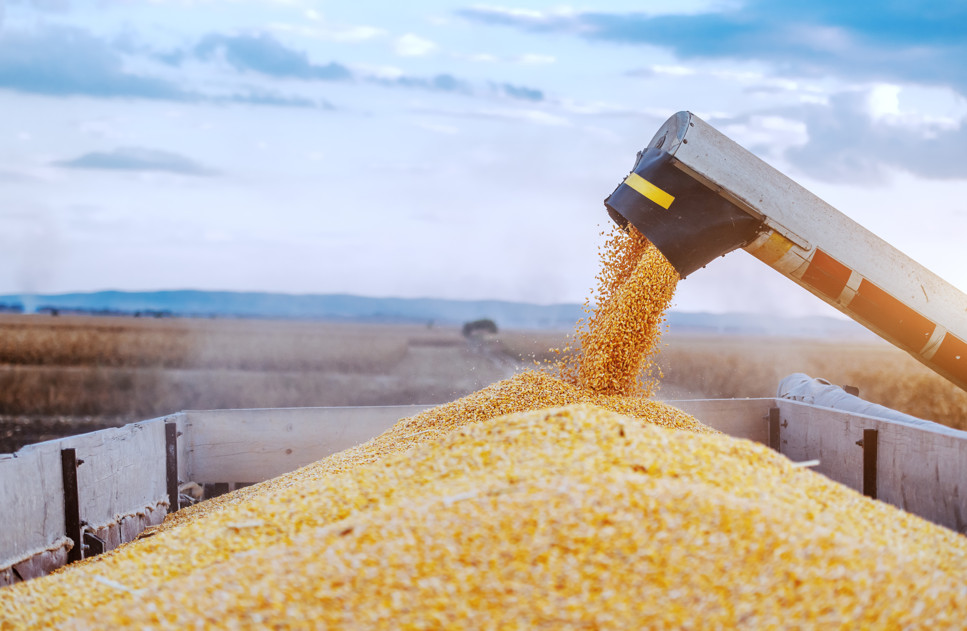
U.S. grain inventories were mixed heading into the 2026-27 marketing year, according to the latest Grain Stocks report released Sept. 30 by the United States Department of Agriculture (USDA). The report showed higher corn stocks compared to a year ago, while wheat, barley, and soybean inventories were lower. The Sept 1. stocks report measures how…
September 21, 2026
Current Markets & Forecasts
U.S. August cattle placements fall to record low
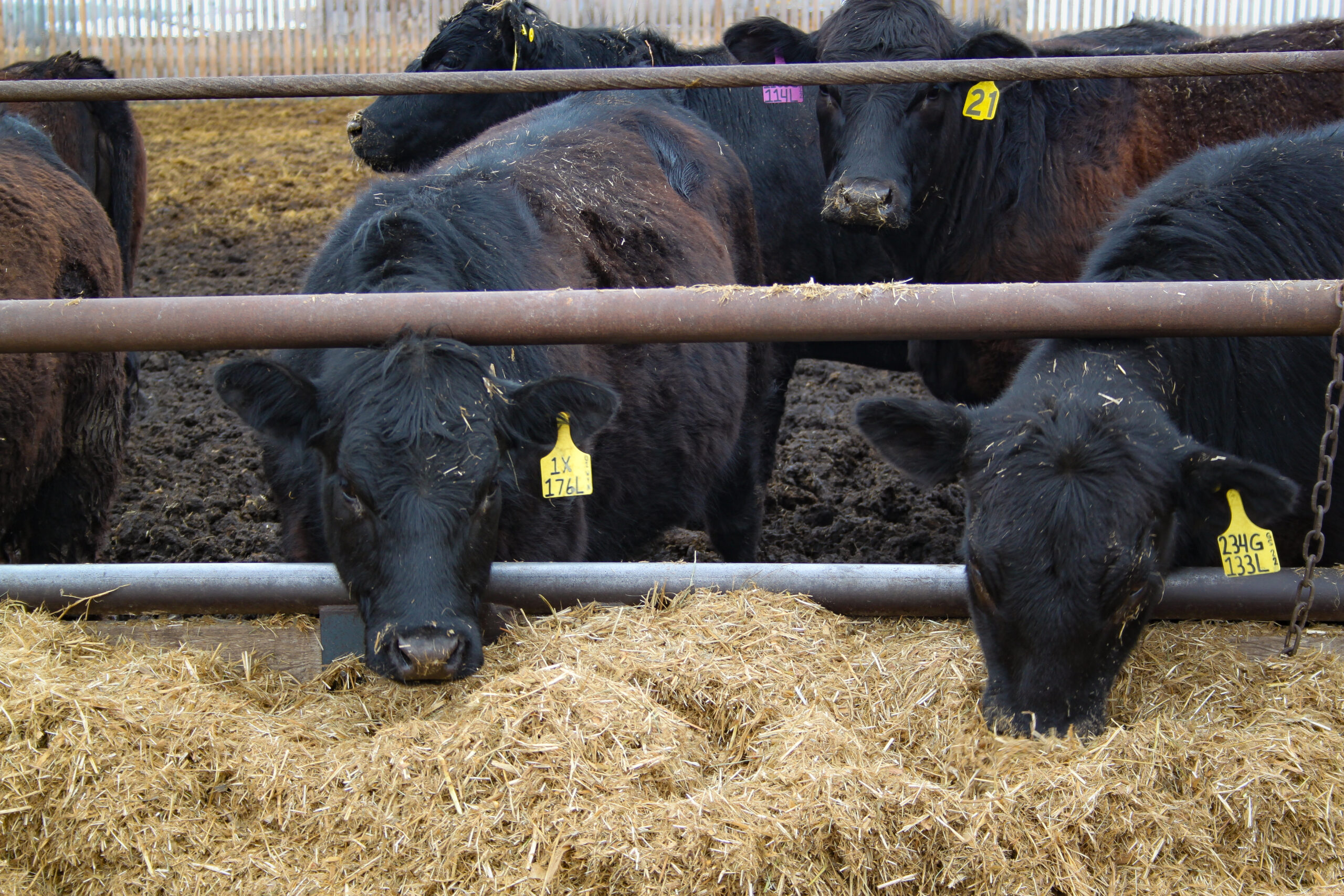
U.S. feedlots placed fewer cattle in August than in any other August since the data series began in 1996, according to the latest Cattle on Feed report from the United States Department of Agriculture (USDA). Despite the decline, cattle and calves on feed for the slaughter market in feedlots with a capacity of 1,000 head…
September 14, 2026
Current Markets & Forecasts
USDA lowers beef production and cattle price forecasts
The latest United States Department of Agriculture’s (USDA) World Agricultural Supply and Demand Estimates (WASDE) report brought a few notable changes for the cattle sector, including lower beef production forecasts and reduced cattle price expectations. Ahead of the report, much of the focus was on whether USDA would lower its corn yield estimate. The revised…
August 28, 2026
Issues & Insights
Trade uncertainty shaping investment decisions, industry leaders say
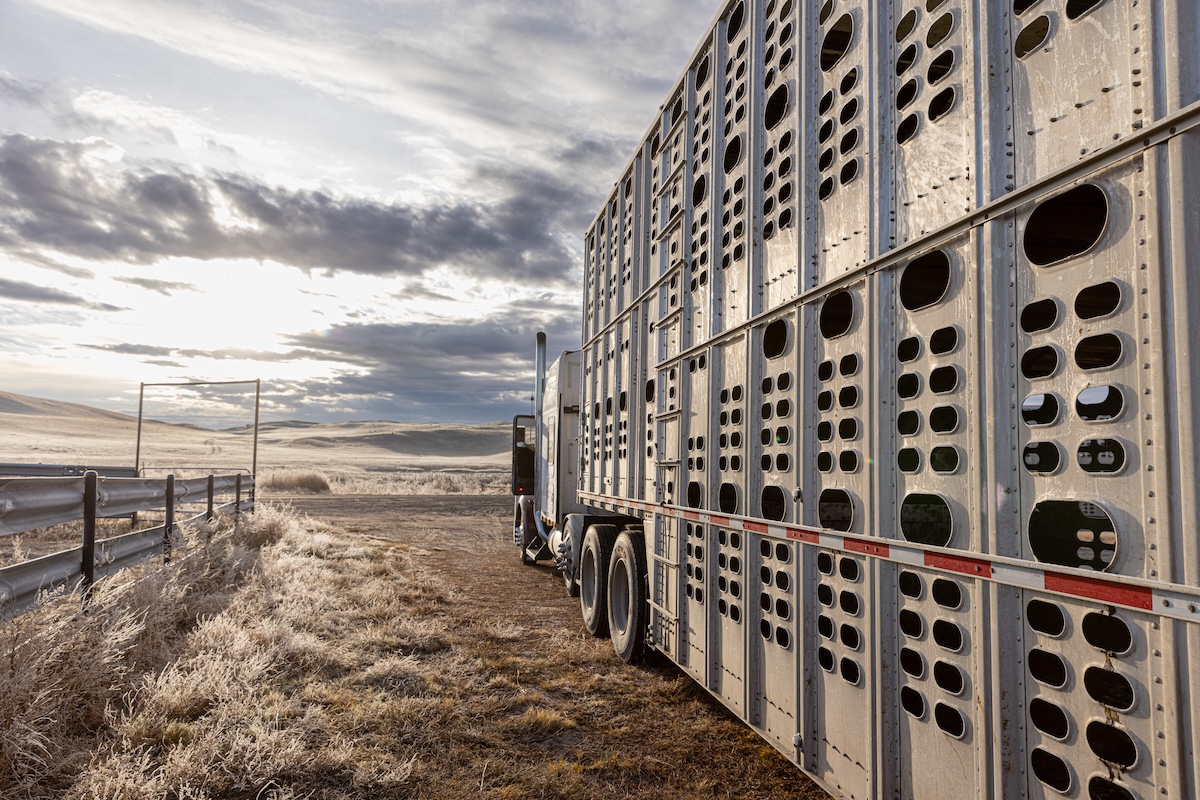
Uncertainty surrounding Canada-U.S. trade relations is influencing planning and investment decisions across the agriculture sector, speakers said during a recent webinar hosted by RealAgriculture and the Canadian Agri-Food Policy Institute (CAPI). While tariffs remain a concern for producers and agribusinesses, panelists said unpredictability surrounding future trade policy is also making it more difficult for businesses…
July 28, 2025
Current Markets & Forecasts
U.S. cattle on feed drops 2 per cent as heifer numbers decline
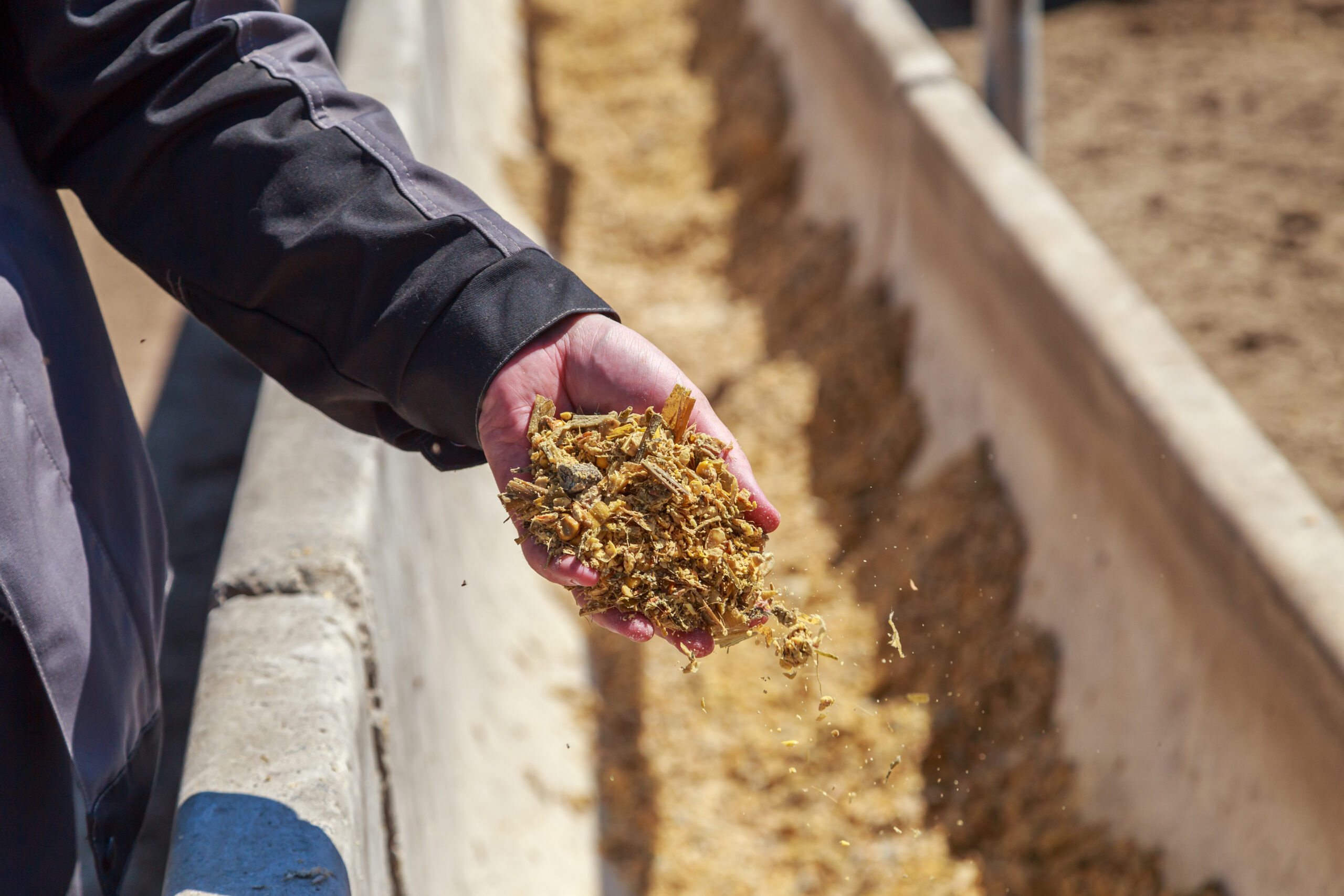
The United States Department of Agriculture (USDA)’s National Agricultural Statistics Service (NASS) released its latest cattle on feed report, revealing a slight decline in feedlot inventory. As of July 1, cattle and calves being raised for slaughter in feedlots with a capacity of 1,000 head or more totaled 11.1 million — down 2 per cent…
June 23, 2025
Current Markets & Forecasts
USDA reports decline in cattle on feed
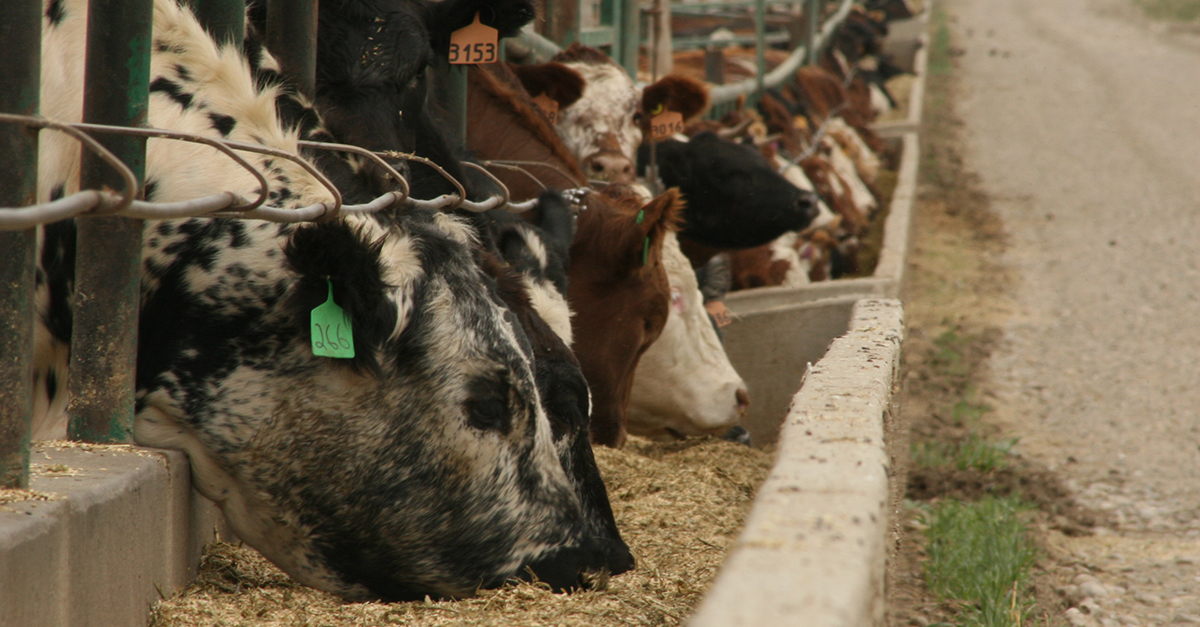
The National Agriculture Statistics Service (NASS), Agricultural Statistics Board, and United States Department of Agriculture (USDA) has released its latest report indicating a slight decline in the number of cattle on feed in the United States. As of June 1, 2025, the total number of cattle and calves on feed for the slaughter market in…

May 27, 2025
News
U.S. cattle on feed decline by 2 per cent
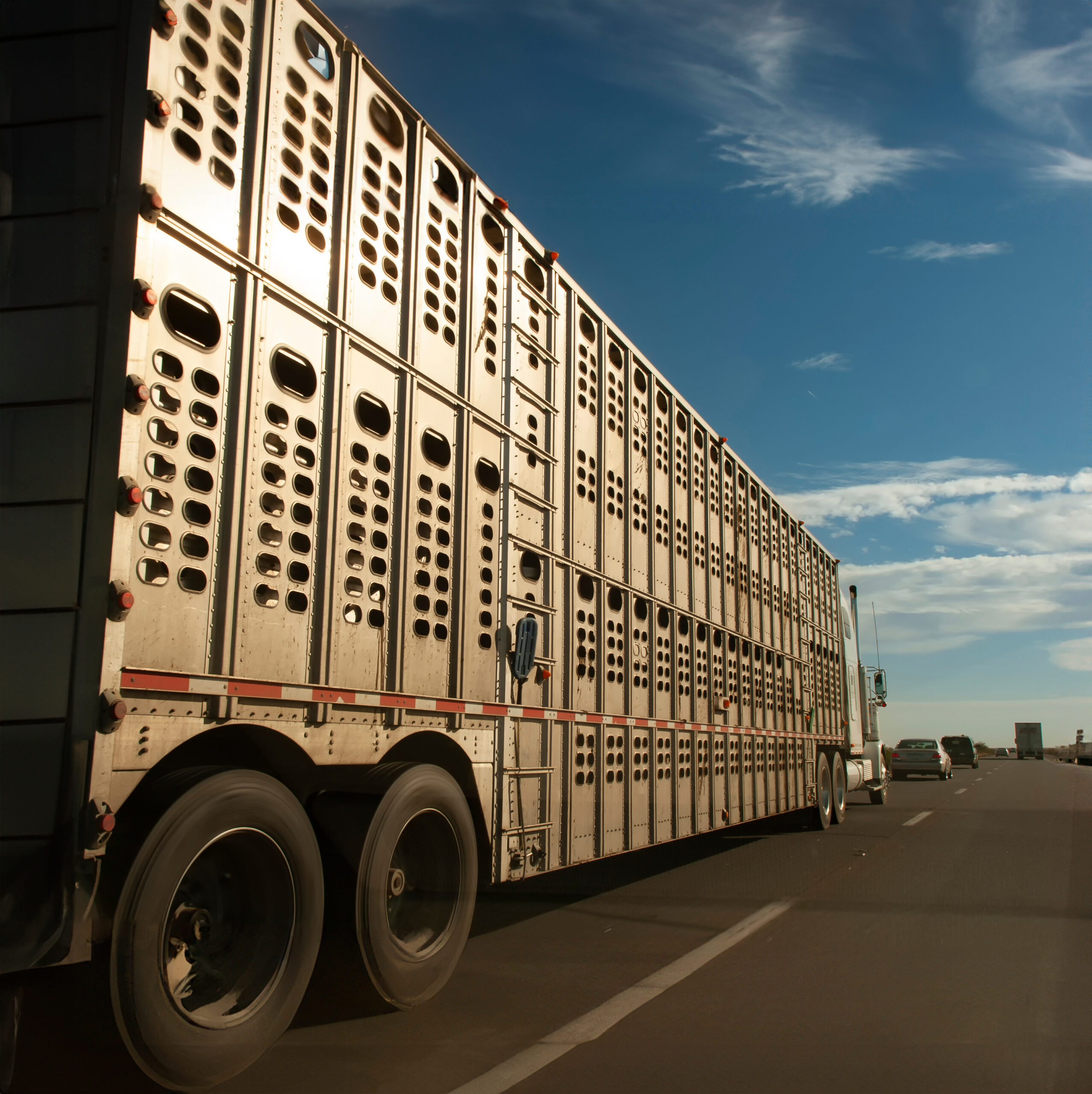
As of May 1, 2025, the United States reported a total of 11.4 million cattle and calves on feed for the slaughter market in feedlots with a capacity of 1,000 or more head. This figure represents a 2 per cent decrease compared to the same date in 2024. In April, feedlot placements amounted to 1.61…
May 12, 2025
News
U.S. halts livestock imports from Mexico amid screwworm outbreak
The United States Department of Agriculture (USDA) has announced an immediate suspension of live cattle, horse, and bison imports from Mexico through southern border ports. This decision comes in response to the rapid spread of new world screwworm (NWS) in Mexico, with recent detections as far north as Oaxaca and Veracruz, approximately 700 miles from…
February 24, 2025
News
USDA reports slight decline in cattle on feed
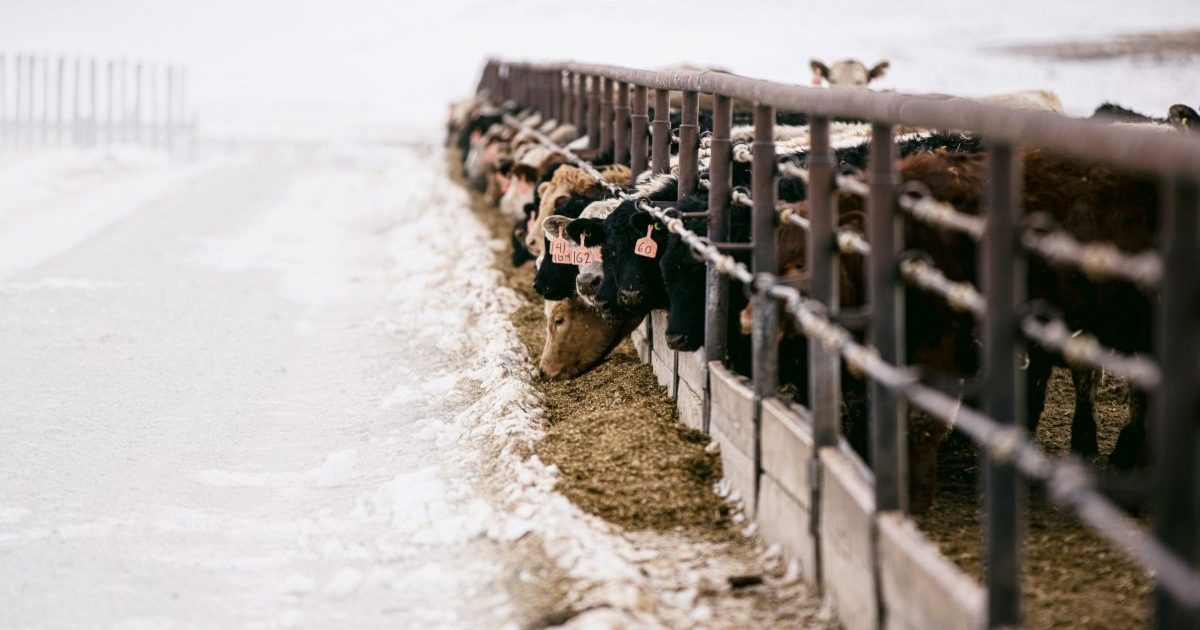
According to the latest data from the National Agricultural Statistics Service (NASS) of the United States Department of Agriculture (USDA), the number of cattle and calves on feed for the slaughter market in large U.S. feedlots has decreased by 1 per cent compared to last year. As of February 1, 2025, there were 11.7 million…
October 15, 2024
Current Markets & Forecasts
October WASDE report shows rising cattle production and strong market demand
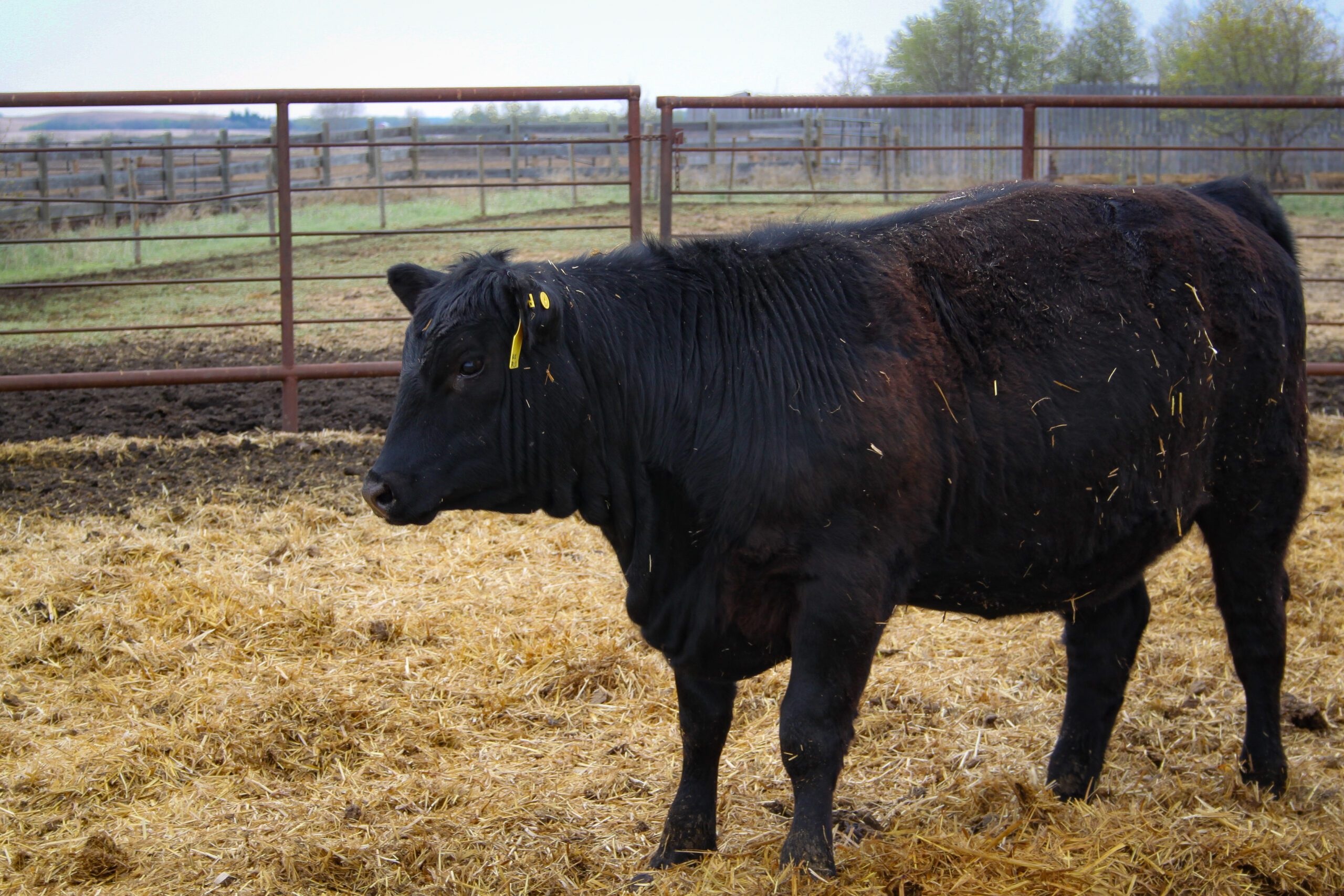
The World Agricultural Supply and Demand Estimates (WASDE) report, a monthly report published by the United States Department of Agriculture (USDA), has released the latest forecasts for 2024 and 2025. The October report is promising, with beef production expected to rise due to increased slaughter rates and heavier weights. Below, you’ll find some of the…
March 14, 2023
Issues & Insights
USDA proposes “Product of USA” labelling amendment
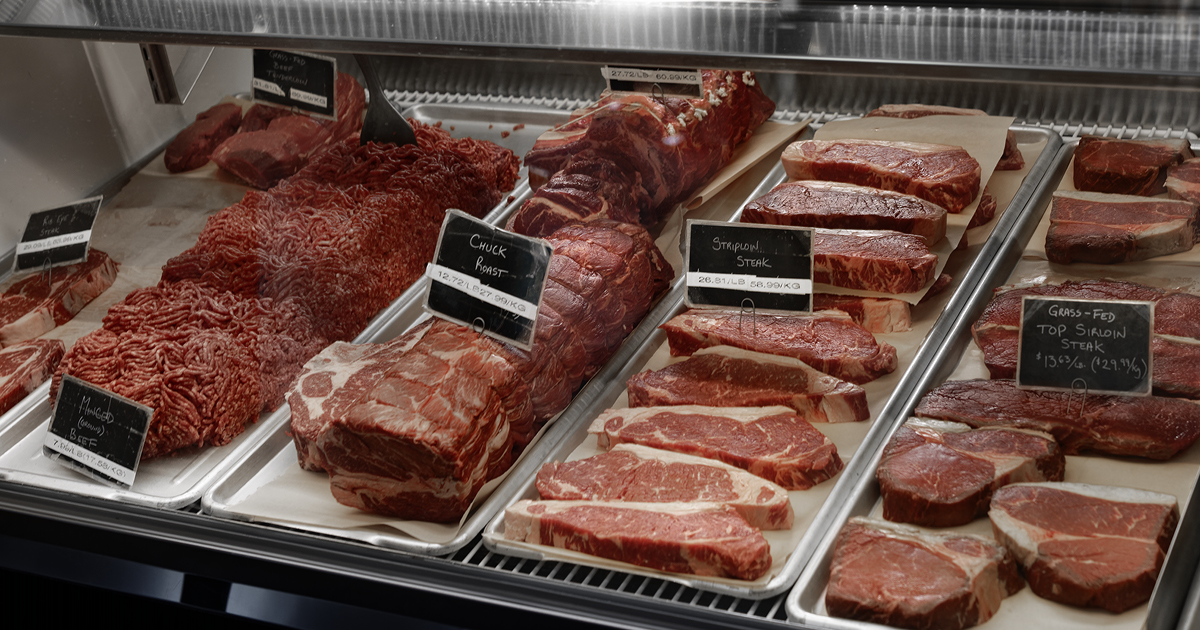
Origin labelling claims on meat and poultry products are once again up for discussion in the U.S. On Monday, the U.S. Department of Agriculture (USDA) officially submitted a proposed amendment to the voluntary “Product of the USA” labelling regulations. This amendment would only allow products from livestock born, raised, harvested, and processed in the U.S….
Featured
-
Producer Meetings
Who could say no to a $10 supper with friends and colleagues? Join fellow cattle producers for a meal and conversations at upcoming Producer Meetings.
Learn More
Cattle Report
Updated: October 13, 2026
Steers
Live: ---
Rail: 491.50-497.75 FOB feedlot (last week)
Heifers
Live: ---
Rail: 491.50-497.75 FOB feedlot (last week)
Choice Steers
Live: 218.00-223.00 (IA, NE) 226.00 (TX, KS) last week
Rail: 345.00-350.00 (NE, IA) last week
Choice Heifers
Live: 218.00-223.00 (IA, NE) 226.00 (TX, KS) last week
Rail: 345.00-350.00 (NE, IA) last week
Boner Cows
Over 500 lbs: 262.59
Canadian Dollar
$70.59 0.29
Livestock Price Insurance Index
| Expiry | Fed | Feeder | Calf |
|---|---|---|---|
| 04-Jan-27 | -- | -- | -- |
| 01-Feb-27 | 288 | 456 | -- |
| 01-Mar-27 | 286 | 450 | -- |
| 29-Mar-27 | 290 | 448 | -- |
| 26-Apr-27 | 296 | 444 | -- |
| 24-May-27 | 304 | 450 | -- |
| 21-Jun-27 | 302 | 454 | -- |
Last Updated on October 8, 2026