Live: ---
Rail: 495.00-500.00 del

{{ weatherTemp }}°C
{{ weatherCity }}

AB Direct - Steers
AB Direct - Heifers
Live: ---
Rail: 495.00-500.00 del
Rail: 495.00-500.00 del
US Trade- Steers
Live: 218.00 (IA, NE)
Rail: 345.00 (NE, IA)
Rail: 345.00 (NE, IA)
US Trade - Heifers
Live: 218.00 (IA, NE)
Rail: 345.00 (NE, IA)
Rail: 345.00 (NE, IA)
Canadian Dollar
$70.27
0.26
0.26
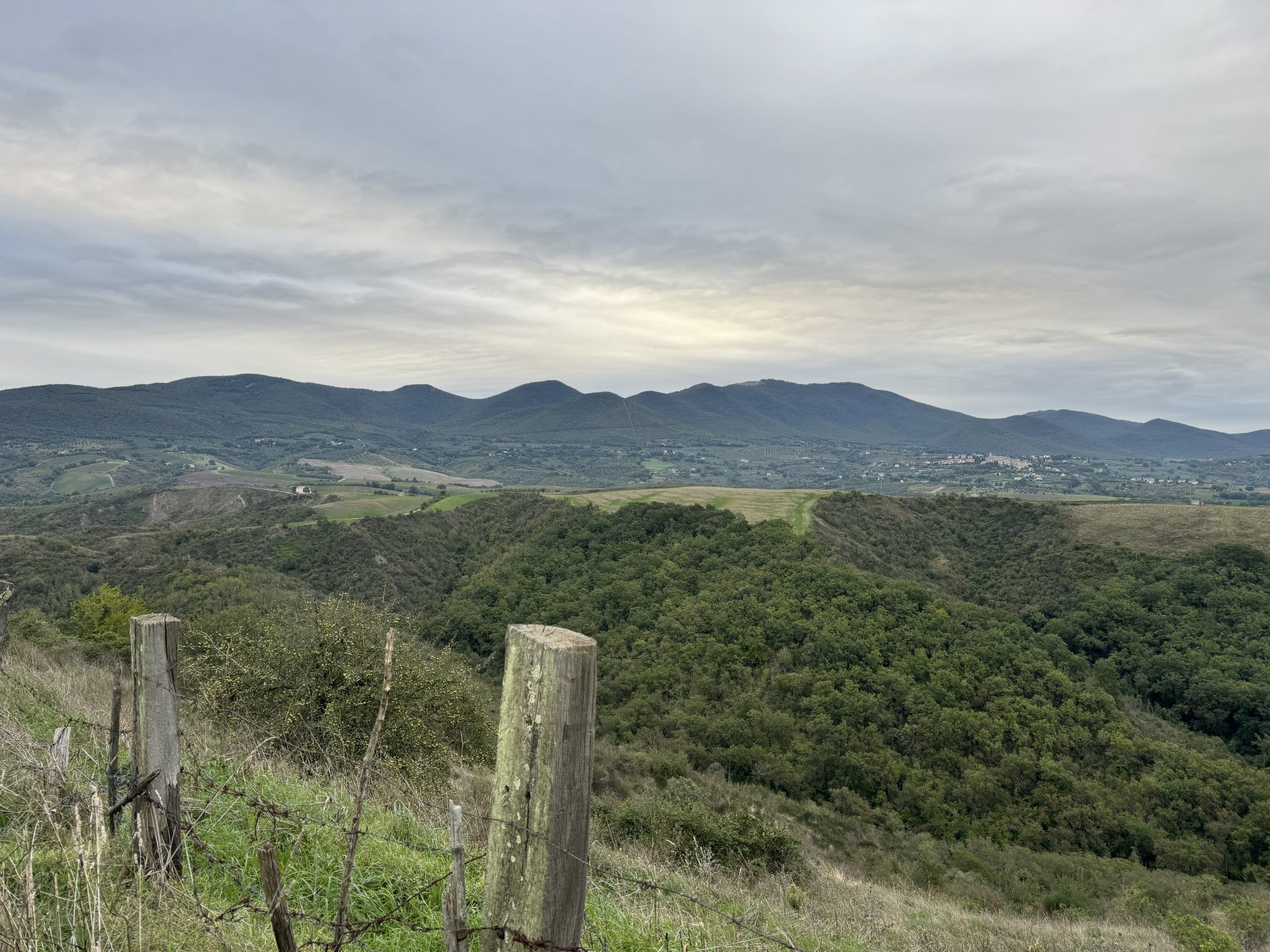
Rolling terrain and wooded areas surround the Mecarelli family farm in Umbria, Italy. Rocky land limits cropping options, making rotational grazing central to the operation. (Melanie Epp)
June 5, 2026
Trailblazers
Chianina breed tests Italian producers on size, temperament and time
But the breed fetches 20 per cent higher prices than conventional cattle
An Umbrian beef producer continues to raise Chianina cattle, one of the world’s oldest and largest beef breeds, despite their reputation for aggressive behaviour and slower production timelines.
Daniele Mecarelli and his brother, Dario, manage a nearly 1,100-acre farm at Viale dei Romiti in Umbria, Italy, where they focus exclusively on Chianina cattle. Known in Italy as the “white giant,” Chianina cattle originate in the Val di Chiana, a valley between Tuscany and Umbria, and have been documented there for more than 1,000 years.
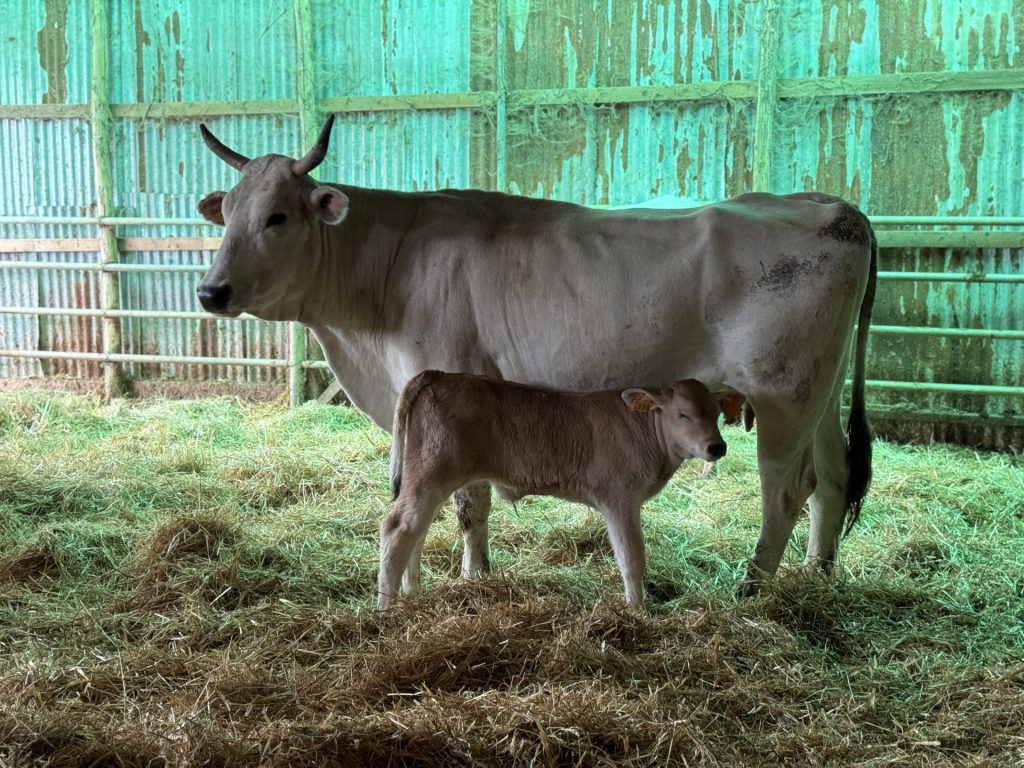
The word ‘giant’ isn’t an exaggeration. Adult Chianina bulls can grow up to two metres in height, with live weights reaching about 1,200 kilograms (2,645 pounds). Females typically reach about 1.6 metres in height and weigh roughly 1,100 kilograms (2,425 pounds).
They are giants, but they are far from gentle. In fact, Mecarelli describes the breed as “difficult to manage” compared with other cattle breeds.
“They attack you. They charge you,” he said.
Temperament can be partially managed through herd selection. Behaviour plays a key role in the calf selection process, and breeding bulls are chosen using an aggressiveness scoring system, Mecarelli said. Each animal is registered through a certified genealogical program that tracks lineage and behavioural traits. The program is overseen by regional veterinary authorities.
Chianina cattle also differ from most commercial beef breeds in terms of reproduction and finishing timelines. First calving typically occurs at around three years of age, compared with under two years for many other beef breeds. Animals are generally slaughtered between 20 and 24 months of age.
Mecarelli said muscle growth occurs at a similar rate to other breeds, but overall development is slower. Bulls are not castrated and are finished as intact males. Calves remain with their mothers for six months before being separated and moved into the fattening phase.
Despite the challenges associated with the breed’s temperament, Mecarelli said Chianina cattle are a good fit for the farm’s management system. Much of the property is rocky and unsuitable for intensive cropping, so the brothers rely on rotational grazing. Chianina are a hardy breed that can remain outdoors year-round. During the winter months, the herd will seek shelter in wooded areas. When grazing gets tough, Mecarelli supplements with hay.
During fattening, cattle receive a concentrate ration that includes corn, barley, triticale, broad beans, soy and mineral supplements. Hay is available without restriction.
Mecarelli said calves begin accessing concentrate feed at approximately three months of age.
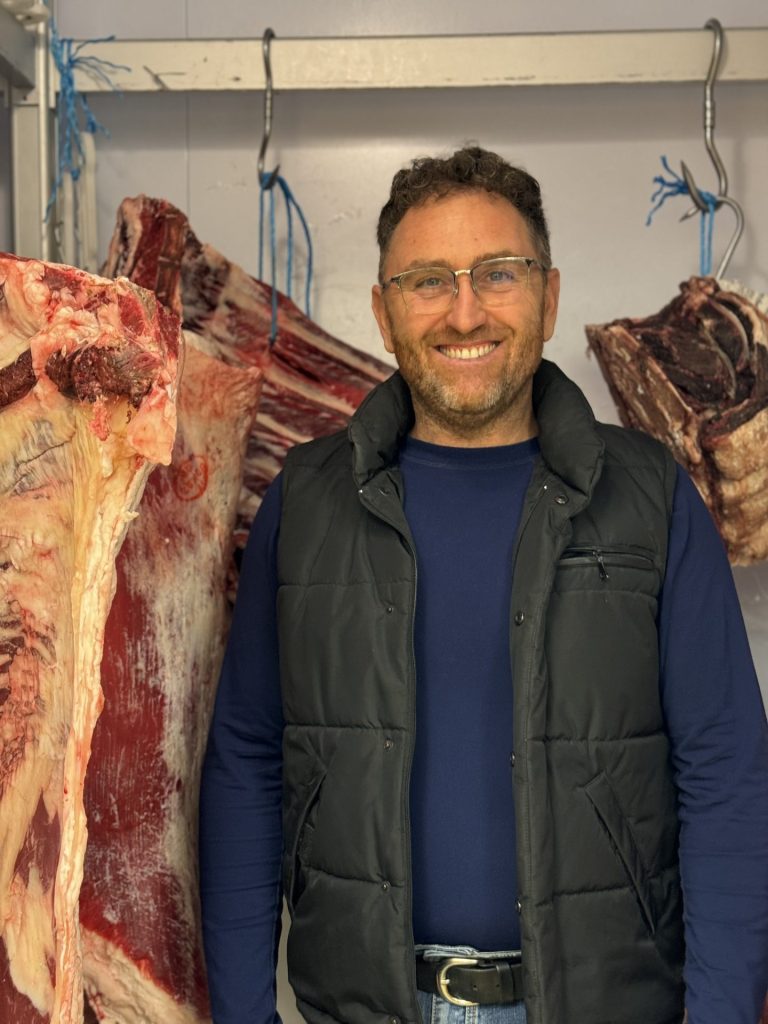
Once used primarily as draft animals, Chianina are now raised exclusively for beef. Mecarelli described the meat as “very lean” with a strong, muscular texture as a result of the slower development. Because of this, the meat requires about 15 days of aging post-slaughter. The meat contains approximately 20 per cent protein, higher than that of most other beef breeds. Purebred production remains concentrated in central Italy, where the breed is managed under regional and breed-specific oversight.
Mecarelli and his brother sell their beef direct to market and through a regional consortium that markets the breed under a protected geographical indication. Chianina beef typically sells at a premium. While a standard beef cut sells for about €14/kg, Chianina beef sells for approximately €20/kg, Mecarelli said. On a deadweight basis, producers are paid about €6.20/kg for males and €7.10/kg for females.
Even at higher prices, Mecarelli said Chianina cattle require more time, labour and management than most commercial breeds.
“They’re very aggressive,” he said. Still, he continues to raise the breed because it suits the land, the production system and the market available to the farm.
Share this article on




Latest News
-
October 10, 2026 News
Federal funding to support farm safety programs across Canada
-
October 9, 2026 Current Markets & Forecasts
USDA lowers beef production forecasts as feed grain supplies grow
-
October 9, 2026 Checking in with ABP
Giving thanks to the people behind our food
Cattle Report
Updated: October 9, 2026
Steers
Live: ---
Rail: 495.00-500.00 del
Heifers
Live: ---
Rail: 495.00-500.00 del
Choice Steers
Live: 218.00 (IA, NE)
Rail: 345.00 (NE, IA)
Choice Heifers
Live: 218.00 (IA, NE)
Rail: 345.00 (NE, IA)
Boner Cows
Over 500 lbs: 268.04
Canadian Dollar
$70.27 0.26
Livestock Price Insurance Index
| Expiry | Fed | Feeder | Calf |
|---|---|---|---|
| 04-Jan-27 | -- | -- | -- |
| 01-Feb-27 | 288 | 456 | -- |
| 01-Mar-27 | 286 | 450 | -- |
| 29-Mar-27 | 290 | 448 | -- |
| 26-Apr-27 | 296 | 444 | -- |
| 24-May-27 | 304 | 450 | -- |
| 21-Jun-27 | 302 | 454 | -- |
Last Updated on October 8, 2026