Live: 303.50 FOB feedlot
Rail: 495.00-500.00 del

{{ weatherTemp }}°C
{{ weatherCity }}

AB Direct - Steers
AB Direct - Heifers
Live: 303.50 FOB feedlot
Rail: 495.00-500.00 del
Rail: 495.00-500.00 del
US Trade- Steers
Live: 223.00-226.00 (NE, IA)
Rail: 348.00-355.00 (IA, NE)
Rail: 348.00-355.00 (IA, NE)
US Trade - Heifers
Live: 223.00-226.00 (NE, IA)
Rail: 348.00-355.00 (IA, NE)
Rail: 348.00-355.00 (IA, NE)
Canadian Dollar
$71.76
0.11
0.11

Latest News
-
October 30, 2026 Checking in with ABP
ABP's 2026 Annual Report available online
-
October 30, 2026 Business Tools
Finding the right balance between productivity and profitability
-
October 29, 2026 News
AAFC launches consultation on agricultural research priorities
October 29, 2026
News
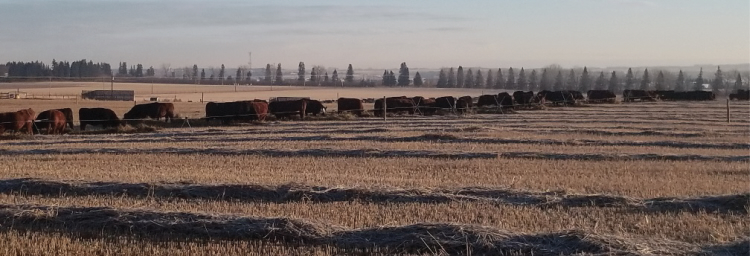
AAFC launches consultation on agricultural research priorities
Agriculture and Agri-Food Canada (AAFC0 is asking producers and other stakeholders for input as it looks at where federal agricultural research should be focused in the years ahead. The initiative, called Shaping the Future of Agriculture and Agri-Food Canada Science, will gather feedback from producers, industry groups, researchers, governments and Indigenous partners on challenges facing…
October 28, 2026
News
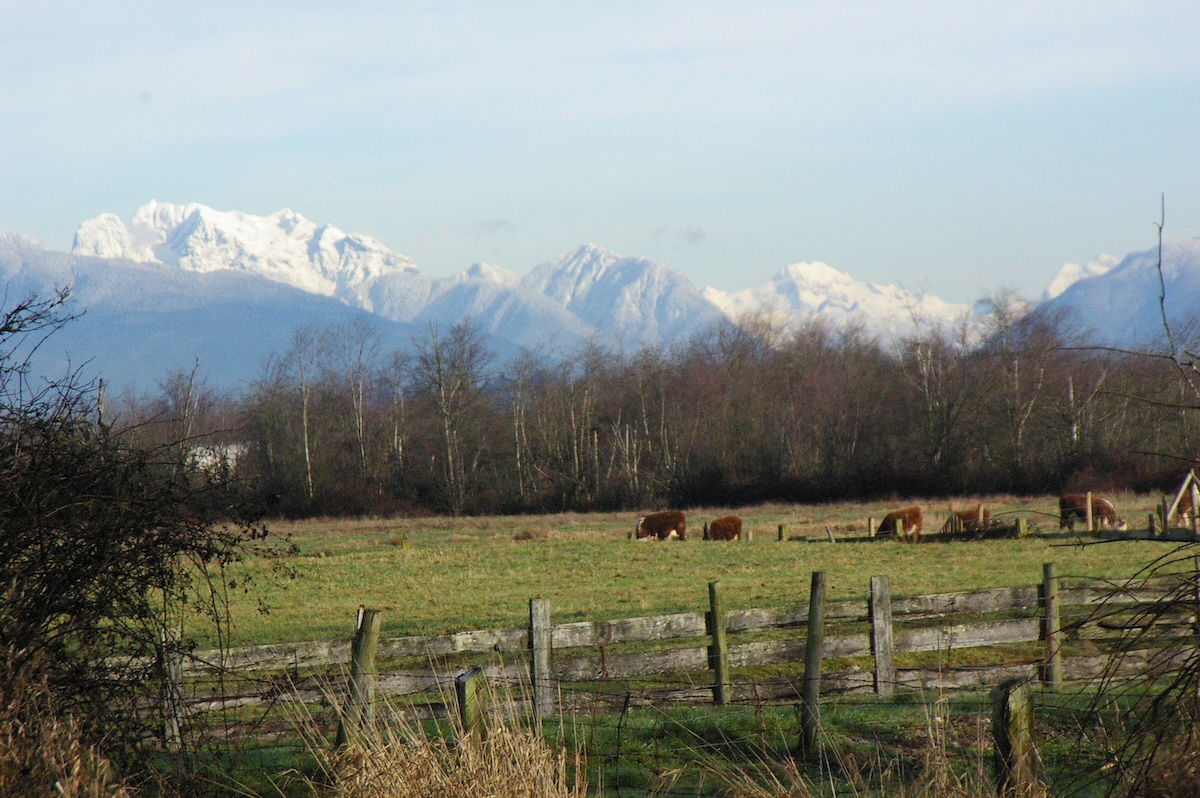
B.C. introduces reporting requirement for cattle arriving from Washington State
Producers bringing cattle into British Columbia from Washington State will now be required to report those movements to the province’s Chief Veterinarian under a new order that took effect Oct. 27, 2026. Under the order, anyone responsible for cattle moved onto a B.C. premises from Washington State after Sept. 23, 2026, must report the movement…

October 28, 2026
News
New online portal available for Livestock Price Insurance
Producers participating in Livestock Price Insurance (LPI) now have access to a new online portal for managing their policies and account information. Agriculture Financial Services Corporation (AFSC) recently launched LPI Connect, a mobile-friendly platform that allows customers to access their LPI information online through a web browser. Through the portal, producers can: Current LPI online…
October 27, 2026
News
Food Banks Canada, Second Harvest to distribute up to $20 million in federal funding
Food Banks Canada and Second Harvest are set to receive up to $10 million each through the federal Local Food Infrastructure Fund: Community Support Stream, with the funding intended to help food banks and community organizations provide food to Canadians experiencing food insecurity. The organizations will distribute the funding through application-based programs to eligible food…
October 23, 2026
News
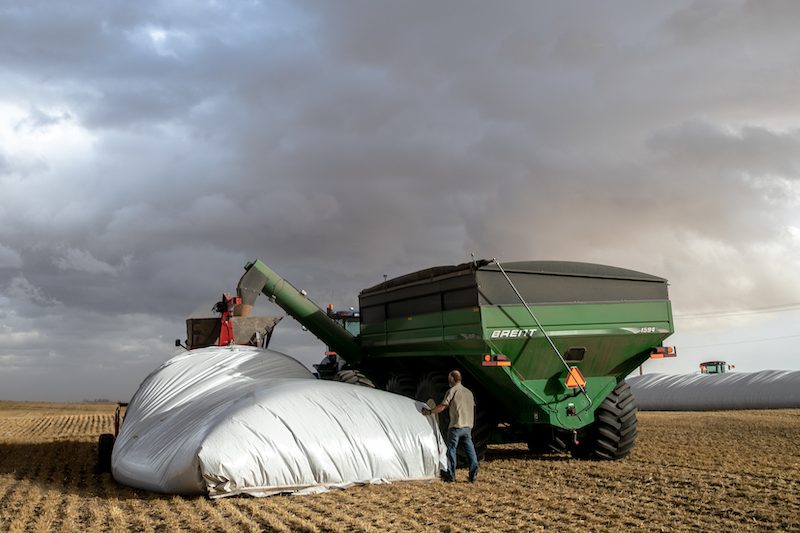
Alberta harvest nearing the finish line
Harvest is winding down across Alberta, with producers making good progress despite a growing season that delivered its share of weather-related hurdles. According to Alberta Agriculture and Irrigation, major crops are now about 88 per cent harvested across the province. While periods of rain, slow crop development, and, more recently, frost and snow delayed harvest…
October 23, 2026
News
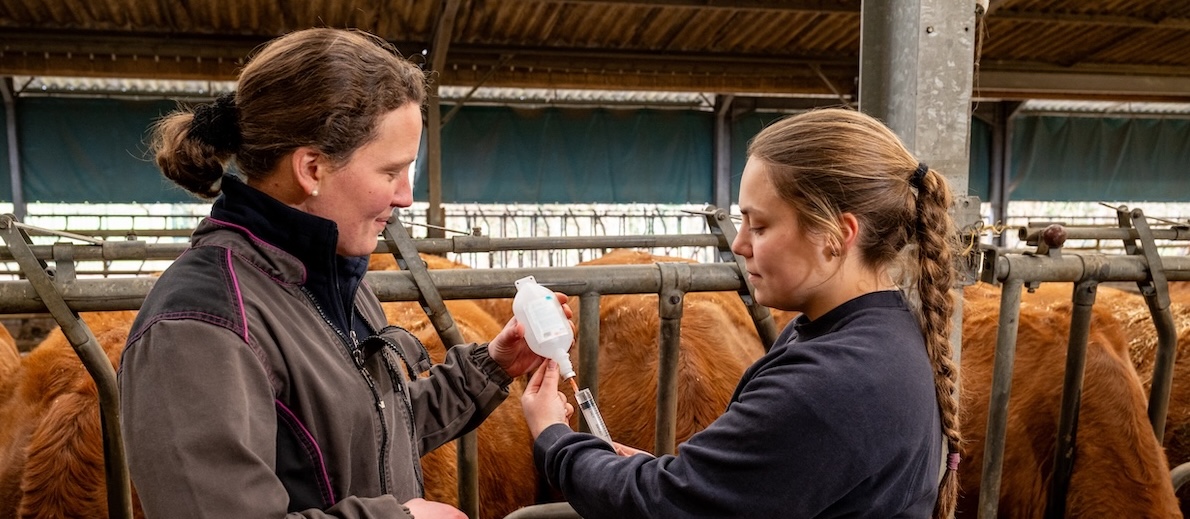
Young Agrarians accepting applications for 2027 mentorship program
Those interested must apply before the Oct. 31 deadline. Applications are being accepted for the 2027 Business Mentorship Network (BMN) offered by Young Agrarians. The program pairs newer farmers with experienced producers for one-on-one mentorship focused on farm business management. Participants receive approximately 30 hours of mentorship over the course of a year and have…

October 22, 2026
News
Canadian agriculture represented at G7 and EU meetings in Europe
Agriculture and Agri-Food Canada (AAFC) Minister Heath MacDonald spent the week in Brussels, Belgium, and Paris, France, participating in meetings with European officials, industry representatives, and G7 agriculture ministers. The visit included meetings with officials from the European Commission and European Parliament, as well as discussions with European industry stakeholders. Trade and regulatory issues affecting…
October 20, 2026
News
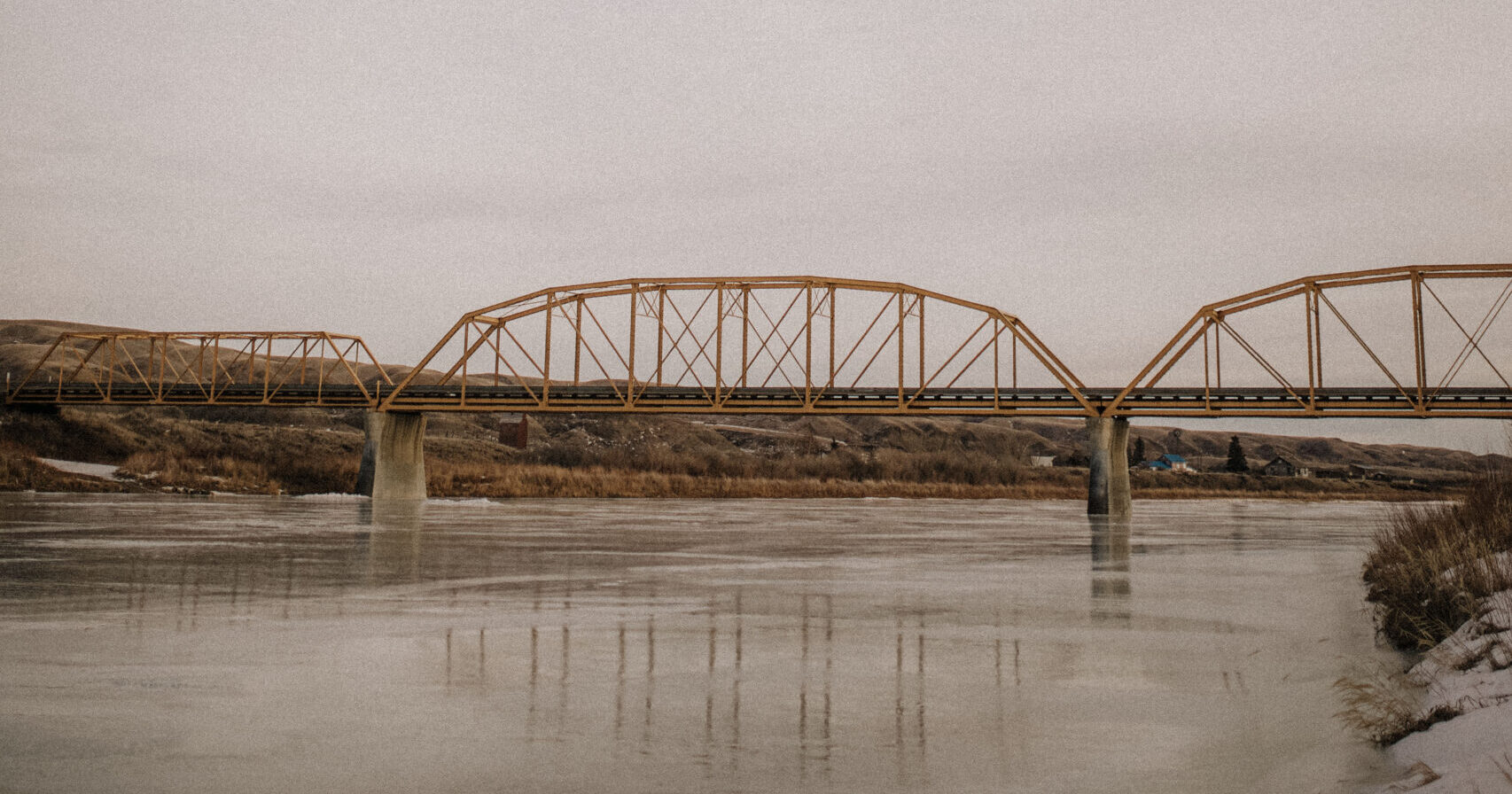
Alberta launches water studies as demand continues to grow
As Alberta looks ahead to continued population growth and increasing demand for water, the province is moving forward with two studies focused on water storage and future supply needs. The work comes as communities, industry and agriculture face growing pressure on existing water resources, particularly in areas where demand is expected to increase over the…
October 16, 2026
News
AgKnow to be transferred to new non-profit organization
AgKnow, a farm mental health resource developed to help connect producers with support services, is being transferred to a new non-profit organization following a decision by the Alberta Rural Extension and Community Association (ARECA) to end its involvement in the program. In a statement released Oct. 2, Alan Hall, executive director of ARECA, said the…
October 15, 2026
Innovation & Technology
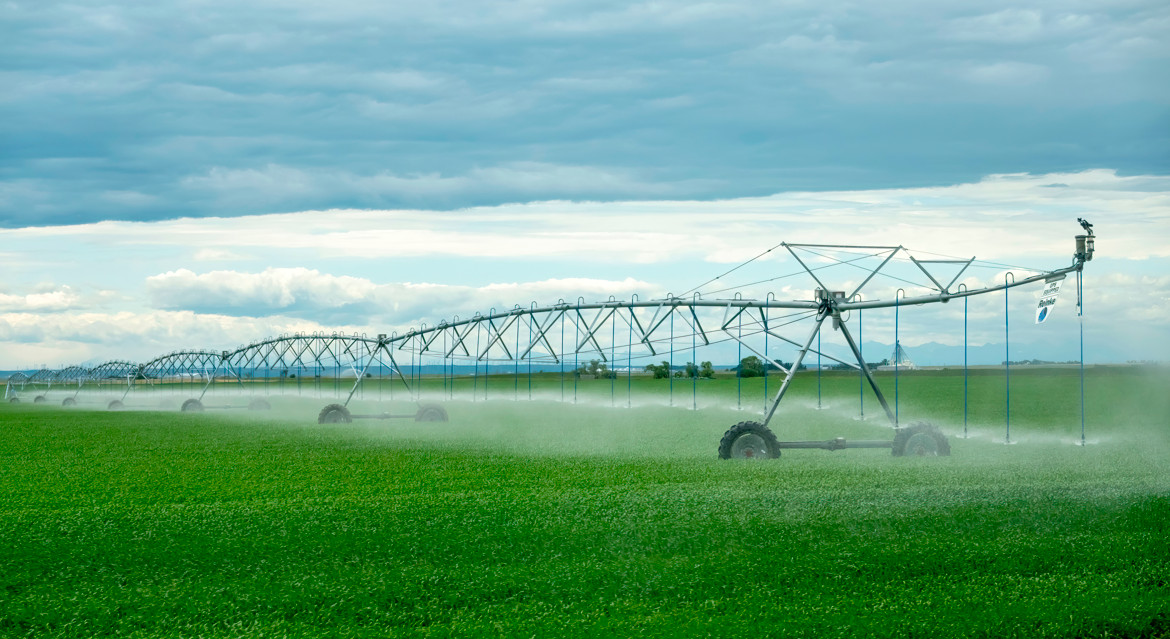
New tool helps producers track crop water use
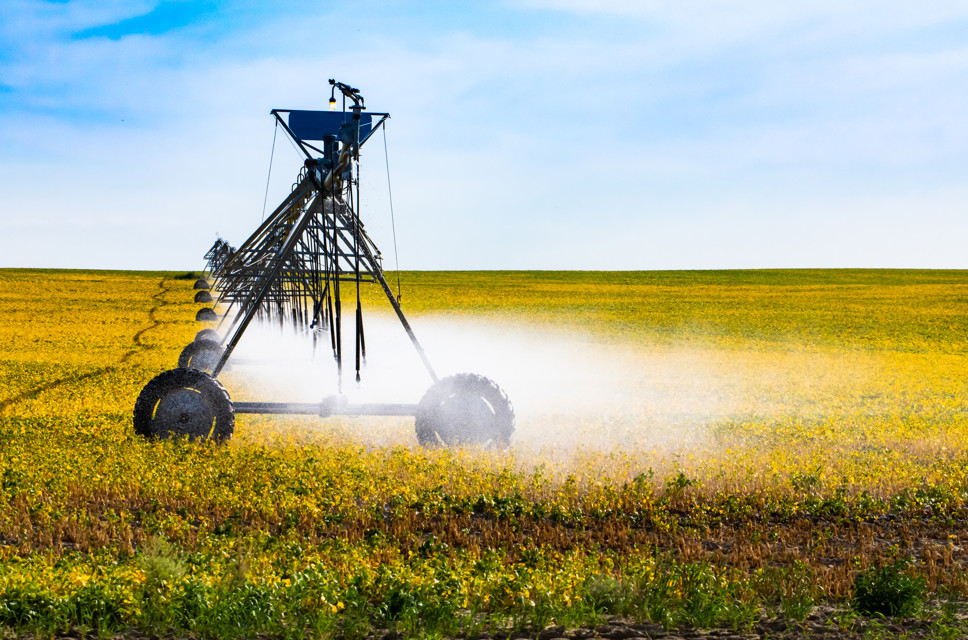
A new online tool developed at Lethbridge Polytechnic could help producers better understand how much water their crops are using throughout the growing season. Called Irrimap, the program measures evapotranspiration (ET), which combines water lost through evaporation from the soil surface and transpiration from growing plants. The information can be used to estimate crop water…
October 14, 2026
News
Alberta reopens water registration program for eligible grazing leaseholders
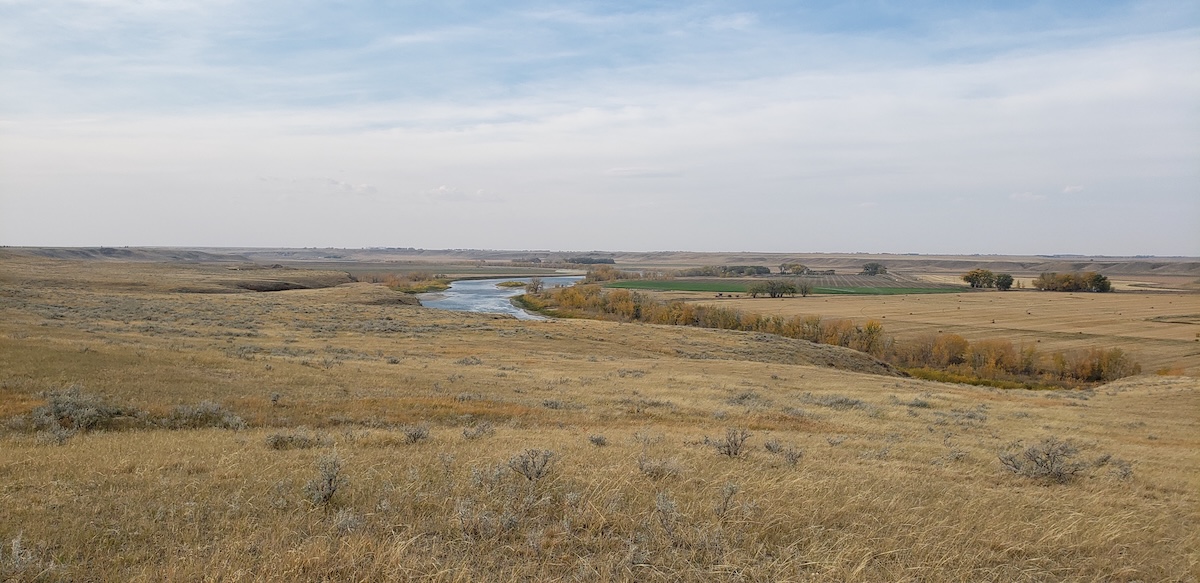
Alberta ranchers with historical agricultural water use on Crown grazing lands will have another opportunity to have that use formally recognized through a reopened Traditional Agricultural Registration (TAR) program. The provincial government announced it is reopening the registration process for eligible historical agricultural water use on unpatented Crown land following a review conducted with the…
October 13, 2026
News
Demand for productive acres keeps Alberta land values climbing
Alberta farmland values continued to move higher during the first half of 2026, even as producers faced rising costs, tight margins and ongoing market uncertainty. According to Farm Credit Canada (FCC)’s mid-year farmland values report, cultivated farmland values in Alberta increased 5.3 per cent between January and June, placing the province among the strongest performers…
Featured
-
Register for ABP's AGM & Convention
Join us for ABP’s Annual General Meeting and Convention, where cattle producers and industry representatives come together to review the past year’s activities, discuss key issues affecting the industry, and help shape priorities for the year ahead.
Register through Eventbrite -
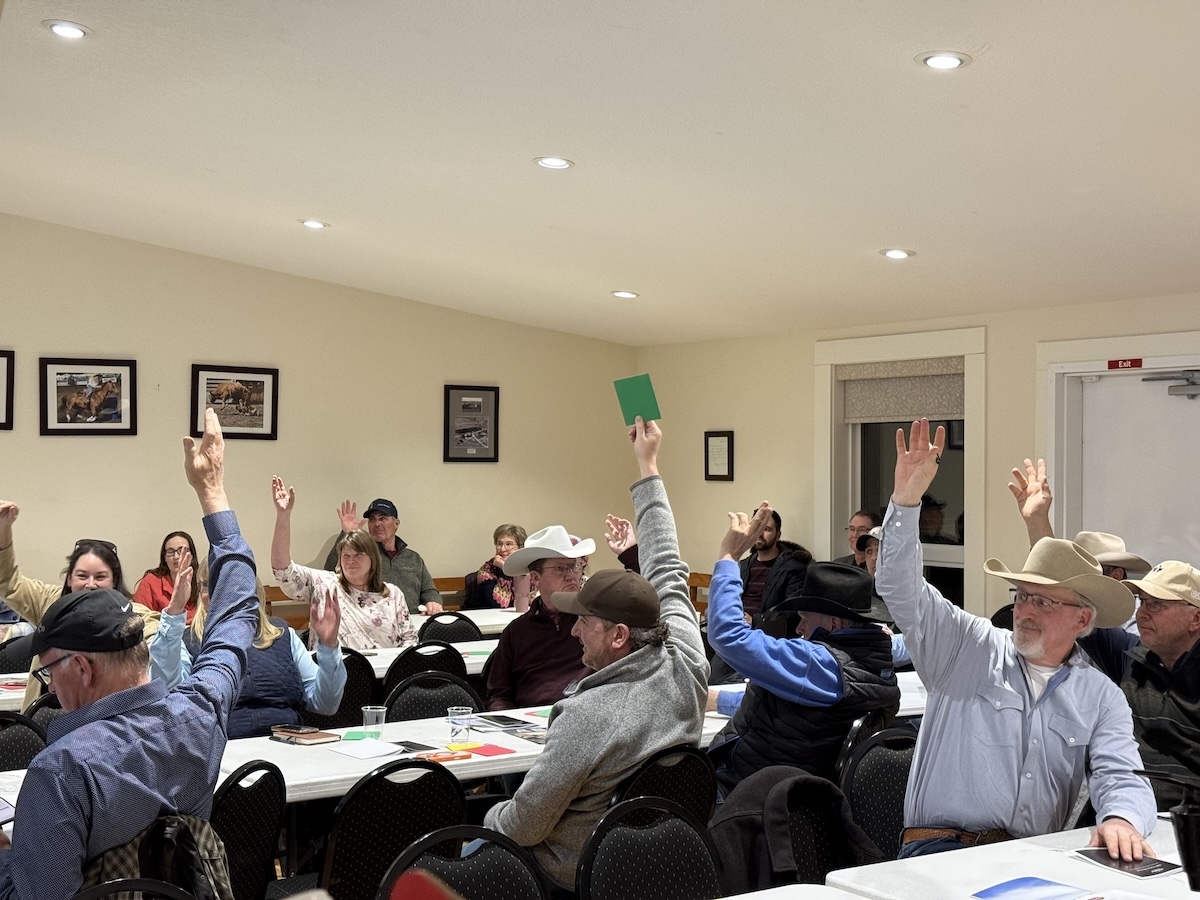
Your Thoughts and Ideas on Producer Meetings
We are eager to hear your feedback to help us plan, refine, and continually improve. If you attended a Producer Meeting, please take a moment to provide your thoughts and ideas through our quick survey.
Share Your Ideas
Cattle Report
Updated: October 30, 2026
Steers
Live: 303.50 FOB feedlot
Rail: 495.00-500.00 del
Heifers
Live: 303.50 FOB feedlot
Rail: 495.00-500.00 del
Choice Steers
Live: 223.00-226.00 (NE, IA)
Rail: 348.00-355.00 (IA, NE)
Choice Heifers
Live: 223.00-226.00 (NE, IA)
Rail: 348.00-355.00 (IA, NE)
Boner Cows
Over 500 lbs: 248.97
Canadian Dollar
$71.76 0.11
Livestock Price Insurance Index
| Expiry | Fed | Feeder | Calf |
|---|---|---|---|
| 25-Jan-27 | 290 | 468 | -- |
| 22-Feb-27 | 290 | 460 | -- |
| 22-Mar-27 | 294 | 460 | -- |
| 19-Apr-27 | 300 | 456 | -- |
| 17-May-27 | 306 | 460 | -- |
| 14-Jun-27 | 310 | 462 | -- |
| 12-Jul-27 | 302 | -- | -- |
Last Updated on October 29, 2026
