Live: ---
Rail: ---

{{ weatherTemp }}°C
{{ weatherCity }}

AB Direct - Steers
AB Direct - Heifers
Live: ---
Rail: ---
Rail: ---
US Trade- Steers
Live: 222.00 (IA) *few
Rail: ---
Rail: ---
US Trade - Heifers
Live: 222.00 (IA) *few
Rail: ---
Rail: ---
Canadian Dollar
$71.40
0.12
0.12

January 27, 2026
Business Tools
BCRC webinar recap: Early calf life survival
The first 24 hours of a beef calf’s life are the most vulnerable.
During the Beef Cattle Research Council’s webinar, Early Calf Life Survival, Dr. Roger Richard of Shoal Lake Veterinary Clinic, Dr. Claire Windeyer from University of Calgary Veterinary Medicine and Heidi Bennett with W.A. Ranches discussed navigating calving and the critical early life stages of beef calves to give them their best start.
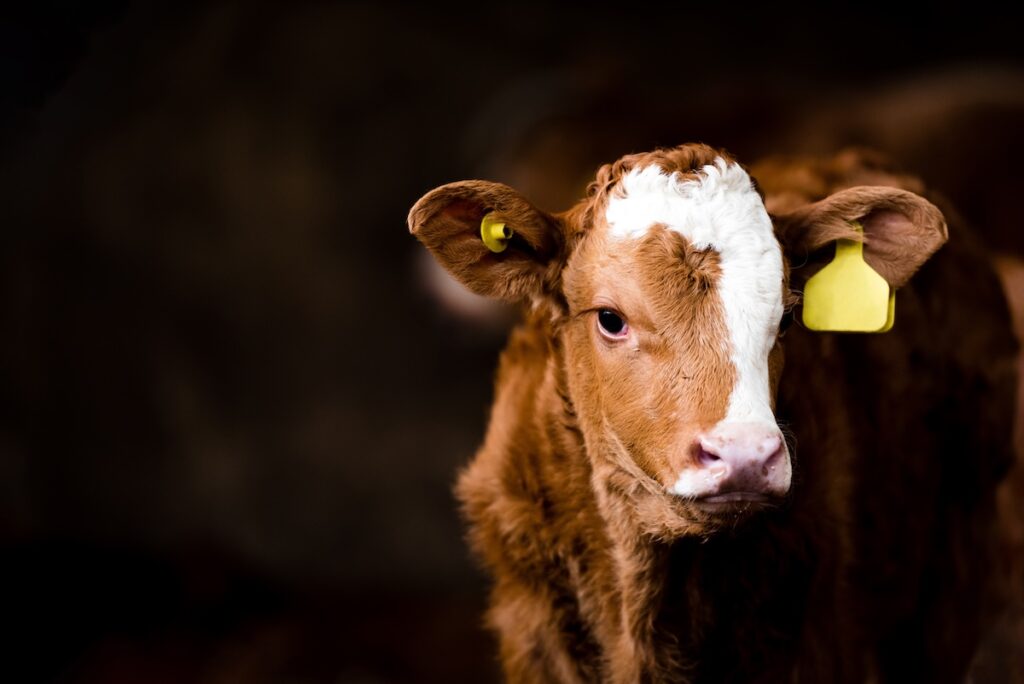
The discussion provided practical, science-based tips for improving calf survivability, starting with cow health before calving and managing birth through the first few weeks of a calf’s life.
The panel emphasized how intentional, proactive management can minimize losses and boost productivity in beef herds.
Conception to Calving: Set Them Up for Success
Dr. Richard opened the webinar by emphasizing the importance of preparing protocols and supplies before calving begins. Having a plan to prevent a health wreck, and how to address one if it does happen, eases the mental burden during a busy calving season.
Key pre-calving preparation steps include:
- Pre-breeding vaccination of cows and heifers (e.g., IBR, BVD, BRSV, scours)
- Monitoring body condition scores and nutrition (especially at pregnancy checks)
- Establishing calving/processing/treatment protocols
- Gathering necessary supplies before calving starts including gloves, chains, disinfectant, oxytocin and a calf puller
Dr. Richard also walked through the three stages of calving and when producers should intervene, suggesting that if no progress is observed within one hour of the water bag showing in cows, or 1.5 hours in heifers, it’s time to investigate and potentially assist.
Calving assistance and resuscitation
When assistance is needed, Dr. Richard offered detailed descriptions for checking calf position and viability, placing calving chains correctly and assisting delivery without causing harm to the calf or cow.
Birth is the biggest transition a calf will ever experience, and it can be traumatic. Dr. Windeyer offered three key steps to get a calf going once it hits the ground: get it breathing, get it up, and get it fed. These first moments are critical for survival, especially after a difficult delivery.
What do I do if a calf isn’t breathing on its own? In these cases, resuscitation is needed. Dr. Windeyer shared techniques to give struggling calves their best chance at pulling through:
- Avoid hanging calves upside down
- Use the recovery position — chest upright, head between legs
- Stimulate breathing with vigorous toweling, nose pokes or an assisted breathing device
Neonatal calf care
Immediately after birth, producers also should:
- Ensure calves receive colostrum within 1 to 2 hours following birth (suckled from the dam, from a bottle or tubed if the calf won’t suck on its own)
- Provide pain relief to calf and cow
- Vaccinate for respiratory disease
- Consider treatments for coccidiosis and vitamin/mineral supplementation
Find more practical take-aways for improving early calf survival at BeefResearch.ca.
Share this article on




Latest News
-
September 22, 2026 News
Fuel tax pause set to lower costs at the pump
-
September 22, 2026 News
High-speed internet expanding across rural Alberta
-
September 22, 2026 Inspiration
Alberta Agriculture Hall of Fame nominations open
Cattle Report
Updated: September 22, 2026
Steers
Live: ---
Rail: ---
Heifers
Live: ---
Rail: ---
Choice Steers
Live: 222.00 (IA) *few
Rail: ---
Choice Heifers
Live: 222.00 (IA) *few
Rail: ---
Boner Cows
Over 500 lbs: 288.01
Canadian Dollar
$71.40 0.12
Livestock Price Insurance Index
| Expiry | Fed | Feeder | Calf |
|---|---|---|---|
| 14-Dec-26 | 282 | 438 | -- |
| 11-Jan-27 | -- | -- | -- |
| 08-Feb-27 | 278 | 432 | -- |
| 08-Mar-27 | 278 | 430 | -- |
| 05-Apr-27 | 282 | 426 | -- |
| 03-May-27 | 288 | 426 | -- |
| 31-May-27 | 296 | 434 | -- |
Last Updated on September 17, 2026