Live: ---
Rail: 500.00 del

{{ weatherTemp }}°C
{{ weatherCity }}

AB Direct - Steers
AB Direct - Heifers
Live: ---
Rail: 500.00 del
Rail: 500.00 del
US Trade- Steers
Live: ---
Rail: 350.00 (NE, IA)
Rail: 350.00 (NE, IA)
US Trade - Heifers
Live: ---
Rail: 350.00 (NE, IA)
Rail: 350.00 (NE, IA)
Canadian Dollar
$71.02
0.20
0.20
May 21, 2026
Checking in with ABP
Managing Wildlife Pressure: Practical tips for reducing losses
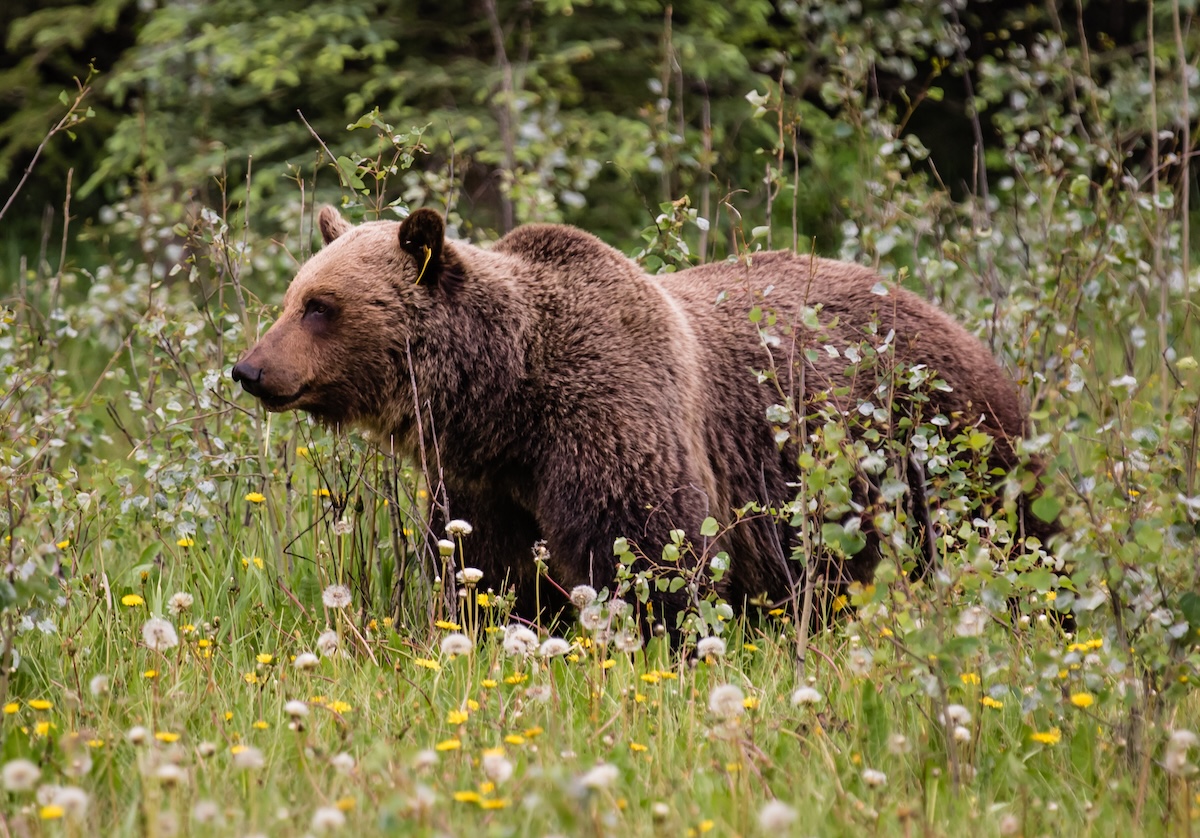
Producers across Alberta continue to face increasing pressure from wildlife, particularly in regions with high populations of elk, deer and predators such as wolves, coyotes and grizzly bears.
The topic came up during Alberta Beef Producers’ recent Producer Meetings, where producers shared concerns about feed loss, pasture damage, livestock predation and the challenges of responding quickly when problems occur.
While long-term policy discussions around wildlife management continue, there are also practical steps producers can take on the ground to help reduce losses and improve response readiness.
“Every operation is different, and there’s no one-size-fits-all solution,” says Lee Irvine, ABP Director and Delegate from the Southwest Zone. “But producers have developed a lot of practical experience over the years when it comes to managing wildlife pressure and reducing risk where possible.”
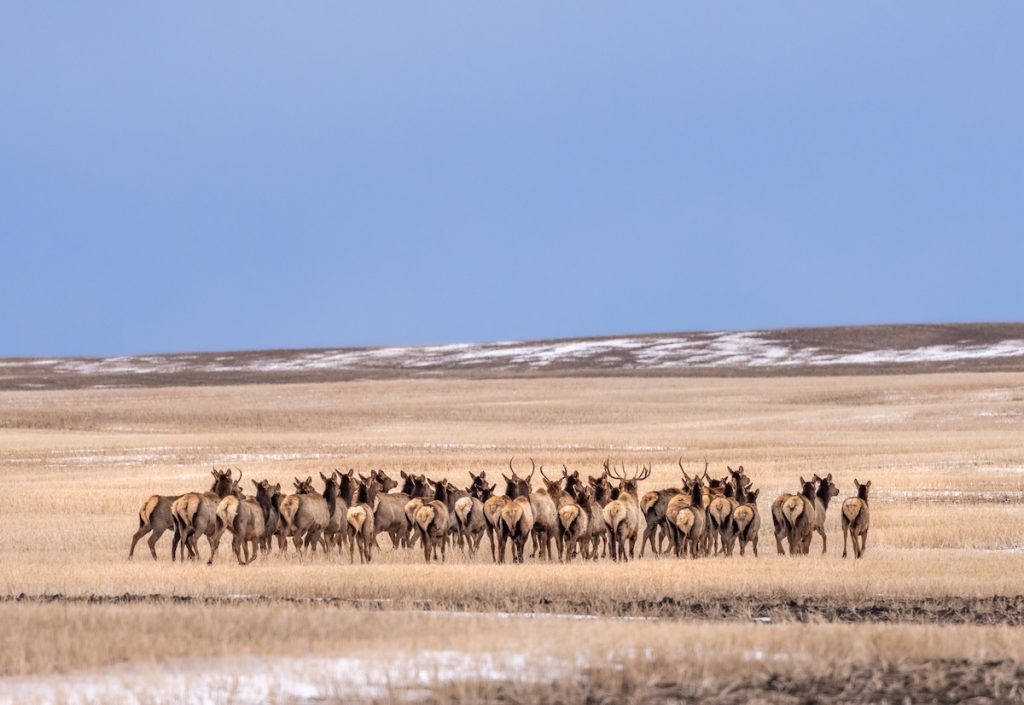
One of the biggest wildlife concerns raised at Producer Meetings is the impact of large ungulate populations, particularly elk. Producers describe situations where herds of elk consumed standing forage, damaged swath grazing systems, destroyed bale yards and increased feed costs over the winter months.
In some cases, wildlife pressure also contributes to fencing damage and increased labour requirements.
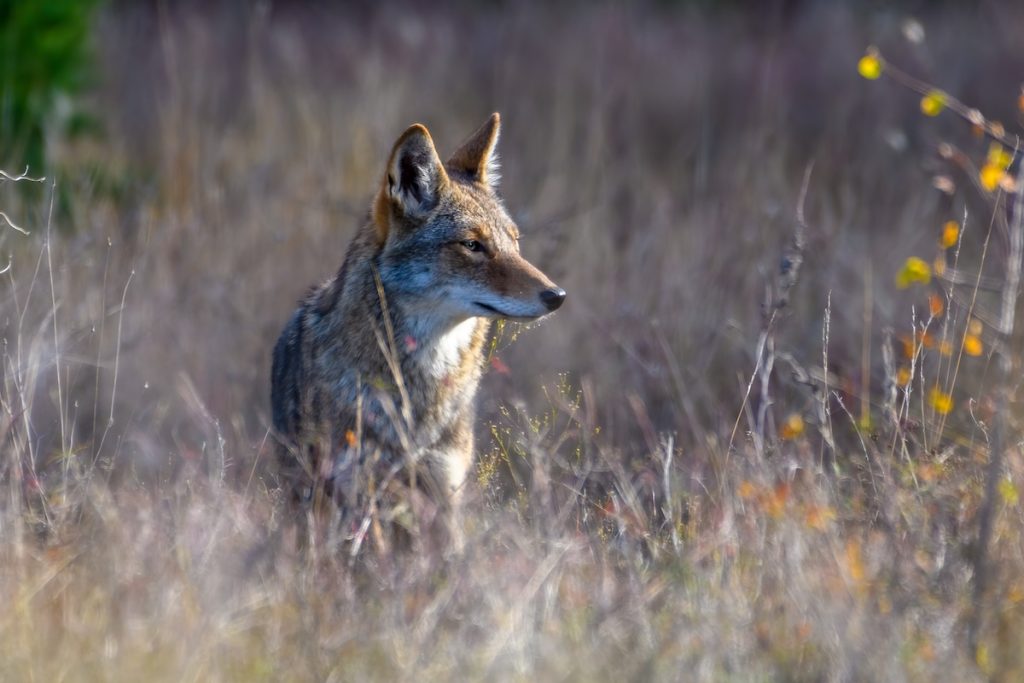
Predator pressure was another major concern, especially in areas dealing with wolves, grizzly bears and increasing predator activity near calving areas. Producers note that losses are not limited to confirmed kills, but also include injuries, stress on livestock and disruptions during sensitive periods such as calving season.
Mitigating risk at home
ABP encourages producers dealing with wildlife pressure to work proactively where possible.
Some practical strategies include:
- Regularly monitoring livestock and checking problem areas during higher-risk periods.
- Using electric fencing or reinforced fencing around feed storage areas and calving sites where practical.
- Reducing attractants by properly disposing of deadstock and minimizing feed spillage.
- Coordinating with neighbours on wildlife sightings and predator activity.
- Reporting wildlife damage and predation incidents to help improve data collection and awareness.
- Working with Fish and Wildlife officers and local authorities when chronic problems develop.
- Using wildlife-friendly fencing practices in areas experiencing recurring wildlife fence damage.
- Utilizing landowner hunting licenses to harvest elk and deer.
In areas with significant elk pressure, producers have also emphasized the importance of practical population management tools and timely hunting access that reflects local realities.
“Producers generally understand wildlife is part of living and ranching in Alberta,” says Kent Holowath, ABP Vice Chair. “What we continue to hear is the need for workable tools and timely responses when wildlife pressure becomes a significant economic factor for an operation.”
Alberta has explored targeted approaches in some high-pressure areas. In recent years, the provincial government has expanded opportunities for landowners and designated hunters to help address problem elk populations in regions experiencing significant forage and feed losses.
Producers note these approaches can help alleviate some pressure, but many continue to emphasize that wildlife conflict areas require broader policy tools, improved response systems and population management approaches that reflect the scale of the impacts being experienced.
ABP continues to advocate for practical, producer-informed approaches to wildlife management. This includes discussions around compensation, population management and improved response tools for producers dealing with ongoing wildlife challenges.
Share this article on




You might also be interested in
-
January 12, 2026 Checking in with ABP
ABP welcomes Wildlife Policy Advisor
Cattle Report
Updated: September 24, 2026
Steers
Live: ---
Rail: 500.00 del
Heifers
Live: ---
Rail: 500.00 del
Choice Steers
Live: ---
Rail: 350.00 (NE, IA)
Choice Heifers
Live: ---
Rail: 350.00 (NE, IA)
Boner Cows
Over 500 lbs: 282.96
Canadian Dollar
$71.02 0.20
Livestock Price Insurance Index
| Expiry | Fed | Feeder | Calf |
|---|---|---|---|
| 21-Dec-26 | 284 | 444 | -- |
| 18-Jan-27 | 282 | 444 | -- |
| 15-Feb-27 | 280 | 434 | -- |
| 15-Mar-27 | 280 | 432 | -- |
| 12-Apr-27 | 286 | 430 | -- |
| 10-May-27 | 294 | 432 | -- |
| 07-May-27 | 298 | 438 | -- |
Last Updated on September 24, 2026