Live: ---
Rail: ---

{{ weatherTemp }}°C
{{ weatherCity }}

AB Direct - Steers
AB Direct - Heifers
Live: ---
Rail: ---
Rail: ---
US Trade- Steers
Live: ---
Rail: ---
Rail: ---
US Trade - Heifers
Live: ---
Rail: ---
Rail: ---
Canadian Dollar
$71.65
0.03
0.03
November 3, 2026
Business Tools
Winter bale grazing can help build next year’s pasture
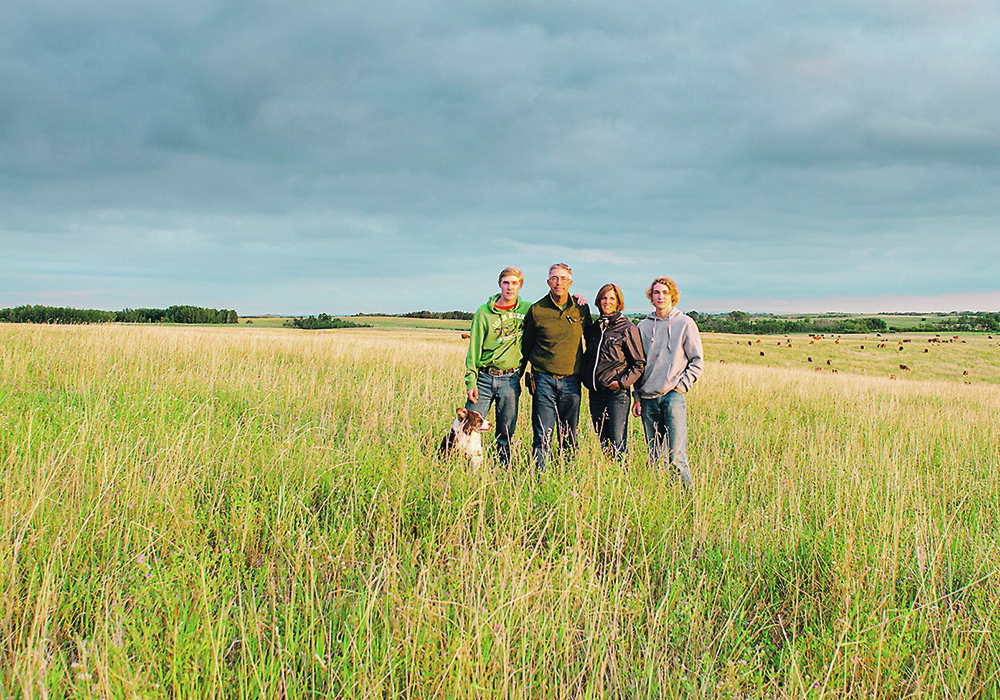
On the Lazy M Bar Ranch near Byemoor, Brad Mappin isn’t just deciding where to feed cattle this winter. He’s choosing where he wants grass to grow stronger next year.
By placing bales on rougher, less productive areas of fields, Mappin turns winter feeding into an opportunity to put nutrients back into the soil. It also means fewer hours working outside when the temperature drops.
Mappin, an Alberta Beef Producers director and Southeast Zone delegate, runs a cow-calf and backgrounding/yearling operation with his wife, Terri, and their two sons. In recent years, like a growing number of producers across the province, they’ve found a lot of value in winter bale grazing.
“The feed still has to do its job for the cattle, but where we feed it can also make a difference to the land,” explains Mappin. “We’re looking at both when we plan for winter.”
Put nutrients where they’re needed
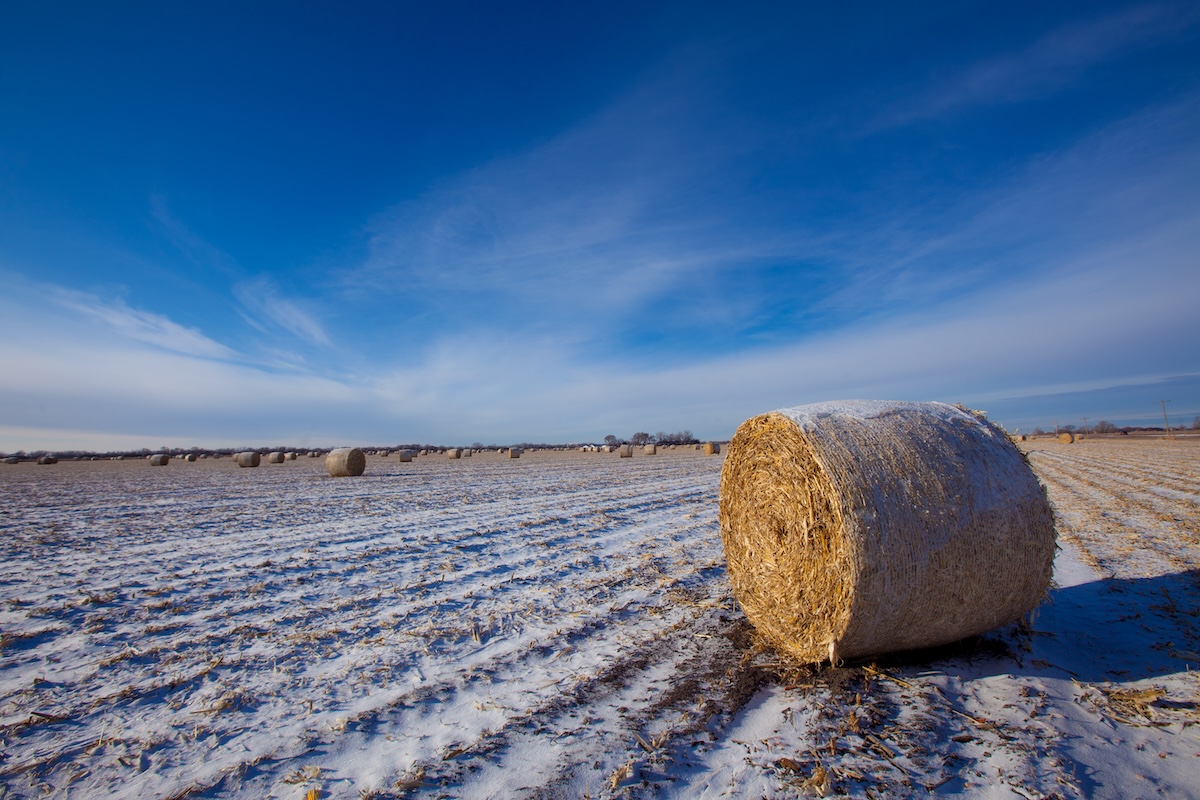
The Beef Cattle Research Council (BCRC) identifies bale grazing as an attractive option for extending grazing beyond the growing season. Bales are placed in the field, with cattle typically given controlled access using electric fencing. As cattle feed, manure and other natural deposits return nutrients to the soil, while leftover forage contributes organic matter.
Those nutrients can help improve less productive areas of seeded pasture or hayland. BCRC’s extended grazing resources describe Western Canadian research, including trials at Alberta sites, showing improved forage production following bale grazing.
On the Lazy M Bar Ranch, the family puts that approach to work on rougher fields that haven’t traditionally produced much forage. They stagger bales across those areas and use electric fencing to manage where cattle feed.
“You want to put those nutrients where they’ll do some good,” says Mappin. “That means thinking about where the bales go and changing feeding locations, rather than using the same spot year after year.”
Careful placement is essential. Repeatedly feeding in the same location can concentrate nutrients rather than distribute them across a field. Soil testing can help guide future feeding decisions.
Manage the feed, watch the cattle
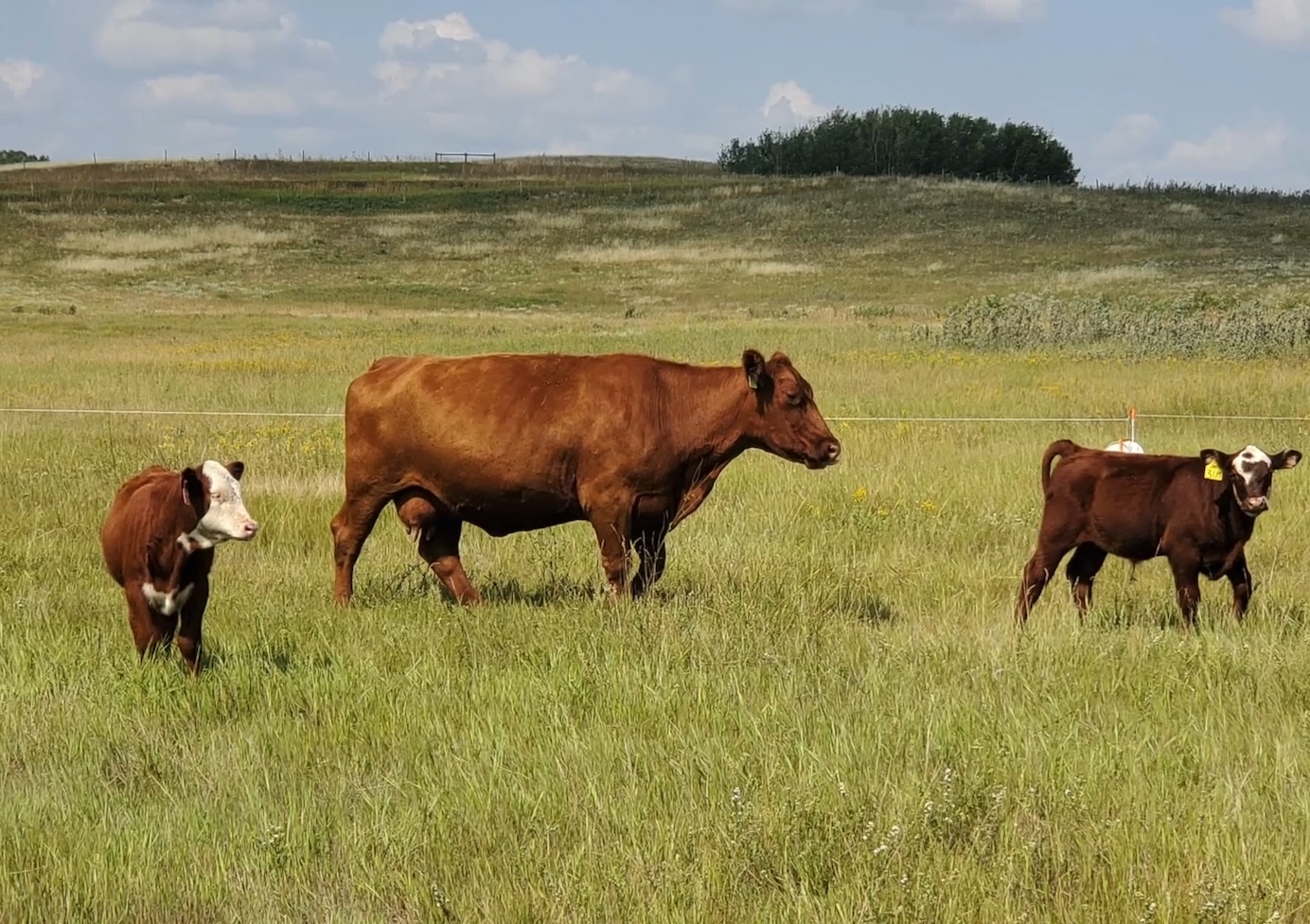
The Mappins began bale grazing with a smaller group of bred and first-calf heifers. Seeing those cattle maintain their condition gave them the confidence to expand the approach to their main herd.
Today, feed tests and bale weights help Mappin calculate how much forage to make available at each move. He also pays close attention to how cattle use the bales, including how readily they fall apart and whether cattle begin lying in loose hay.
Some leftover forage contributes organic material to the soil, but it also represents feed that was grown or purchased. Managing access to the bales helps strike a balance between feeding efficiency and soil improvement.
Winter conditions add another layer of consideration. Cold weather can increase cattle energy requirements, while snow and ice can make feed more difficult to reach. Monitoring body condition and ensuring access to water, shelter and backup feed remain essential.
The family occasionally uses swath grazing as well, adjusting its approach according to feed availability, drought and weather conditions.
“You need a plan for when conditions change. If the cattle can’t get at the feed or aren’t holding their condition, you have to be ready to adjust,” says Mappin. “The system has to work for the cattle first.”
Do the work before winter
Beyond the benefits to the land, bale grazing offers another practical advantage: much of the feeding work can be done before winter arrives.
The Mappins place bales and remove net wrap or twine in the fall, rather than tackling those jobs in deep cold. Once cattle are in the feeding area, the daily routine centres on checking the electric fence and managing access to the next allotment of bales.
That controlled access matters. If cattle get into the full supply, more forage can be trampled or left unused.
For Mappin, the time savings are a major benefit. Fewer days starting and running a tractor also mean less fuel use and fewer machinery hours.
“It’s a lot nicer now than when it’s 40 below and you’re fighting trying to feed,” says Mappin.
Watch what comes back next season
The real test of bale grazing comes when the grass starts growing again.
At the Lazy M Bar Ranch, drone imagery has revealed distinct differences in forage growth where bales were placed the previous winter. For Mappin, those patterns offer a useful guide to where future feeding sites might have the greatest benefit.
Soil tests, before-and-after photos and recorded forage observations can also help producers assess results and refine their approach. Moisture remains a major factor in how well those areas respond. But when conditions cooperate, the results can be pretty dramatic.
“With winter bale grazing, you’re investing in your soil, and ultimately it’s the soil that tells that story of how well it’s working.” says Mappin. “In our experience, when it’s done right, it really improves the productivity of that piece of ground . . . that’s for darn sure.”
Leave a Comment

Latest News
-
November 3, 2026 Business Tools
Winter bale grazing can help build next year’s pasture
-
November 3, 2026 Checking in with ABP
Nominations open for AFSC's 2027 Women in Ag Award
-
November 2, 2026 News
On-Farm Value-Added funding intake ends Nov. 9
Cattle Report
Updated: November 3, 2026
Steers
Live: ---
Rail: ---
Heifers
Live: ---
Rail: ---
Choice Steers
Live: ---
Rail: ---
Choice Heifers
Live: ---
Rail: ---
Boner Cows
Over 500 lbs: 248.32
Canadian Dollar
$71.65 0.03
Livestock Price Insurance Index
| Expiry | Fed | Feeder | Calf |
|---|---|---|---|
| 25-Jan-27 | 290 | 468 | -- |
| 22-Feb-27 | 290 | 460 | -- |
| 22-Mar-27 | 294 | 460 | -- |
| 19-Apr-27 | 300 | 456 | -- |
| 17-May-27 | 306 | 460 | -- |
| 14-Jun-27 | 310 | 462 | -- |
| 12-Jul-27 | 302 | -- | -- |
Last Updated on October 29, 2026

Add abpdaily.com to your home screen
Tap the menu button next to the address bar or at the bottom of your browser.
Select ‘Install’ or ‘Add to Homescreen’ to stay connected.
Share this article on
About the Author
Brad Brinkworth has a deep background in strategic communications and content, working across agriculture in Alberta and beyond. He grew up with extended family involved in both crop and livestock farming, and holds a degree in Journalism and Communications from the University of Minnesota. Brad enjoys telling the story of agriculture and creating clear, purposeful content that connects with producers. He and his family are based in Calgary.