Live: ---
Rail: 500.00 del

{{ weatherTemp }}°C
{{ weatherCity }}

AB Direct - Steers
AB Direct - Heifers
Live: ---
Rail: 500.00 del
Rail: 500.00 del
US Trade- Steers
Live: 220.00 (IA)*few
Rail: 345.00-355.00 (IA, NE)
Rail: 345.00-355.00 (IA, NE)
US Trade - Heifers
Live: 220.00 (IA)*few
Rail: 345.00-355.00 (IA, NE)
Rail: 345.00-355.00 (IA, NE)
Canadian Dollar
$70.94
0.25
0.25
July 6, 2026
Checking in with ABP
Stewardship runs deep for the Walton family
“We’re just ordinary people doing what we love and what feels right. To be recognized – I can’t describe what that means to us.”
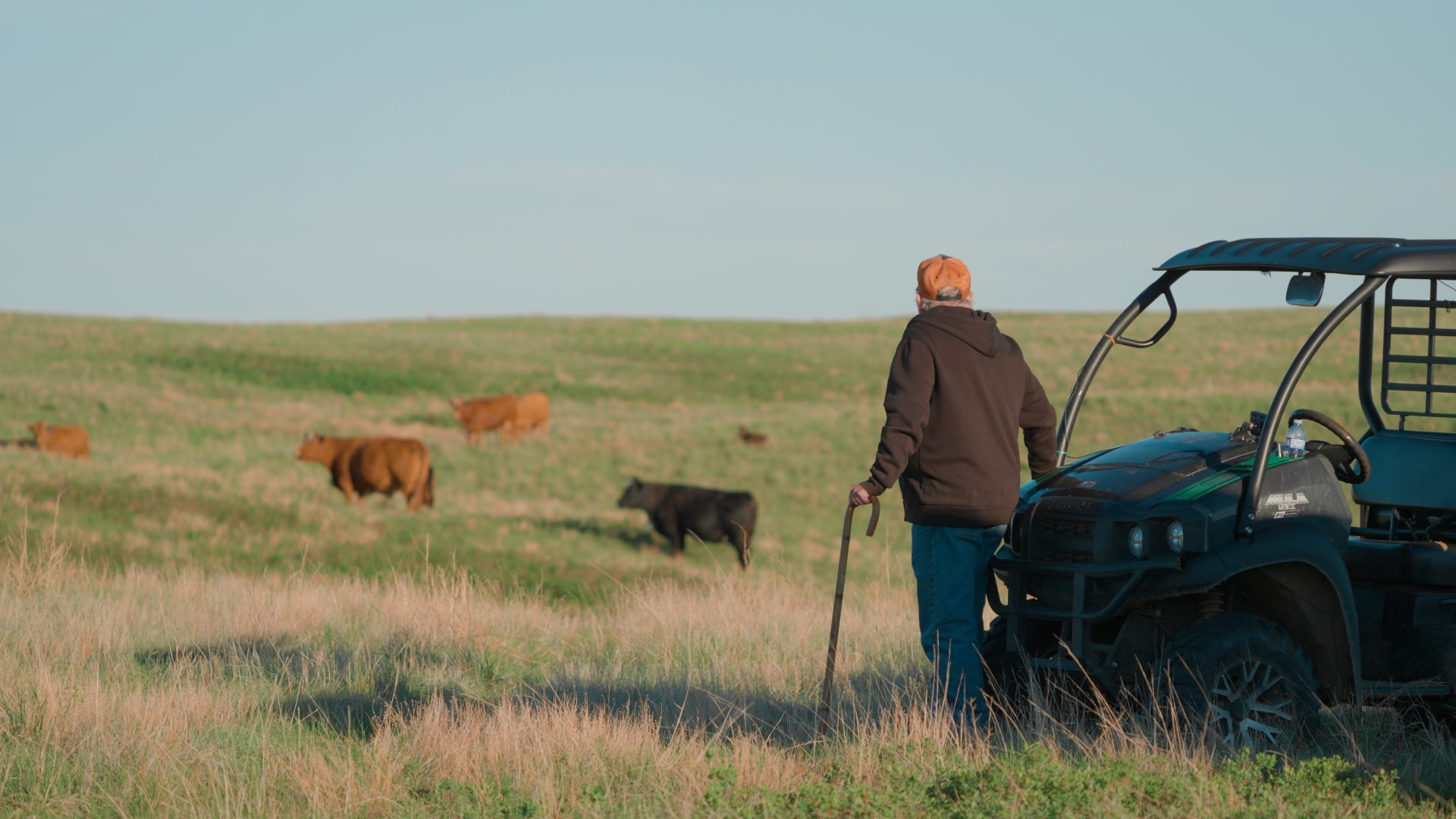
In Alberta’s Special Area No. 2, about 40 minutes east of Drumheller, where drought and wind have shaped generations of ranching families, lush pasture isn’t something visitors expect to see. Yet across the Walton family’s ranch near Homestead Coulee, decades-old re-grassed fields are flourishing, native prairie stands healthy, and wildlife is abundant.
Article continues below video.
For Ron and Kim Walton and their family, that’s no accident.
For more than a century, the Walton family has managed this stretch of prairie, guided by an unspoken understanding that caring for the land and ranching are inseparable. Healthy grass, reliable water, thriving wildlife, and productive cattle are all part of the same system.
That long-term commitment has earned the Waltons the 2026 Alberta Beef Producers Environmental Stewardship Award (ESA), recognizing their outstanding contributions to environmental stewardship and sustainable cattle production.
Yet if you ask Ron about stewardship, he doesn’t talk about awards, programs or environmental initiatives. Instead, he talks about doing what feels right.
“We had confidence in what we were doing. We just didn’t have a name for it,” he says.
Generations of Grit
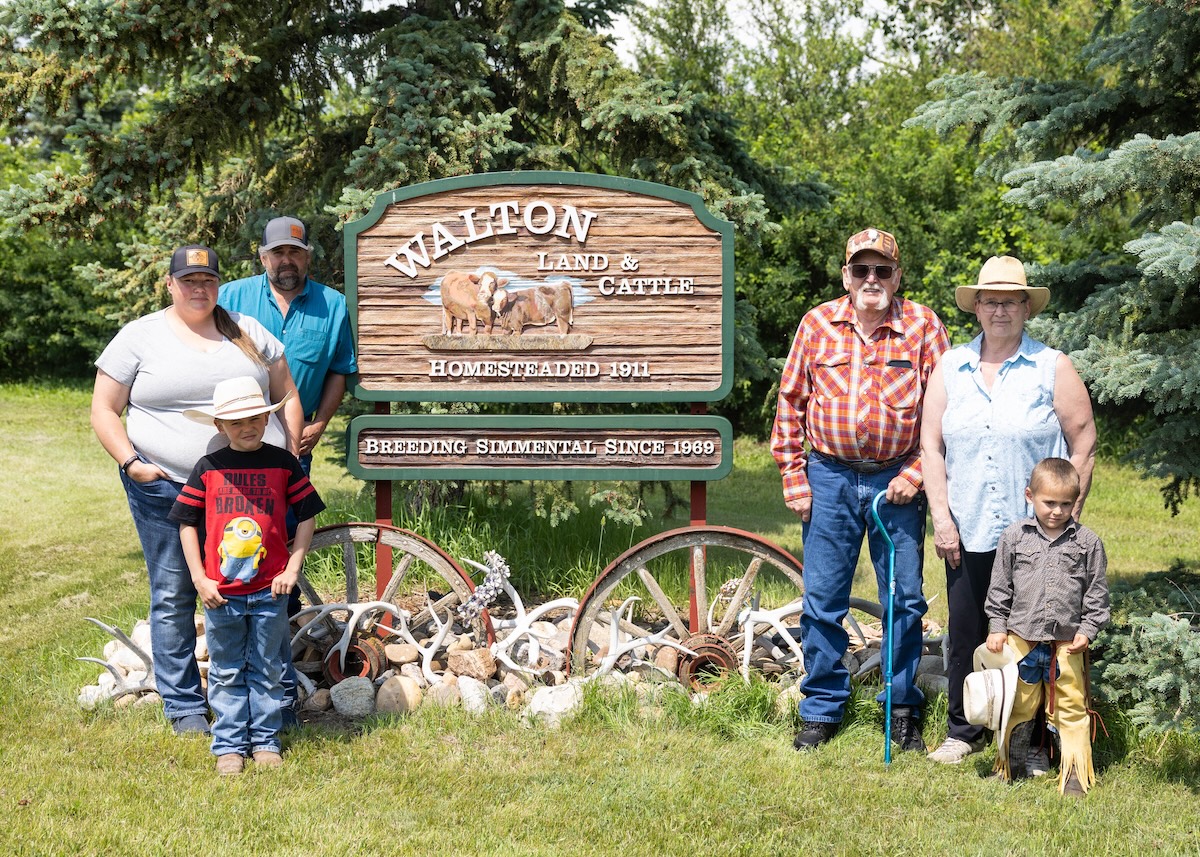
The Walton family settled in the Homestead Coulee community in 1911.
In 1938, the Special Areas Board was formed to oversee and conserve millions of acres abandoned by farmers and ranchers after the hardship of the 1930s, when prolonged drought and early farming techniques stripped the land of topsoil and drove many families out. The Waltons stayed, adapting soil conservation practices and carrying those instincts forward for nearly a century.
“The Walton family used their grit, determination and soil conservation skills they learned over generations to survive the era of the Dirty Thirties and continue to live by those principles today,” says Jesse Williams, Agricultural Fieldman for Special Area No. 2, who has worked with the family on water infrastructure, re-grassing permits, and through 4-H.
“At the heart of their farm’s legacy is a devotion to responsible dryland agricultural practices including minimum tillage farming, responsible native pasture grazing, water development and a keen eye for preventing soil degradation in the sensitive, drought-prone brown soil zone.”
Each year the family reworks about 100 acres of old cultivated “throwback” land, fencing and re-grassing it before rotating it back into pasture use on a three-year cycle.
“When you stop and look back, it’s something to think about,” says Ron, “our family has built this operation over the span of 115 years.”
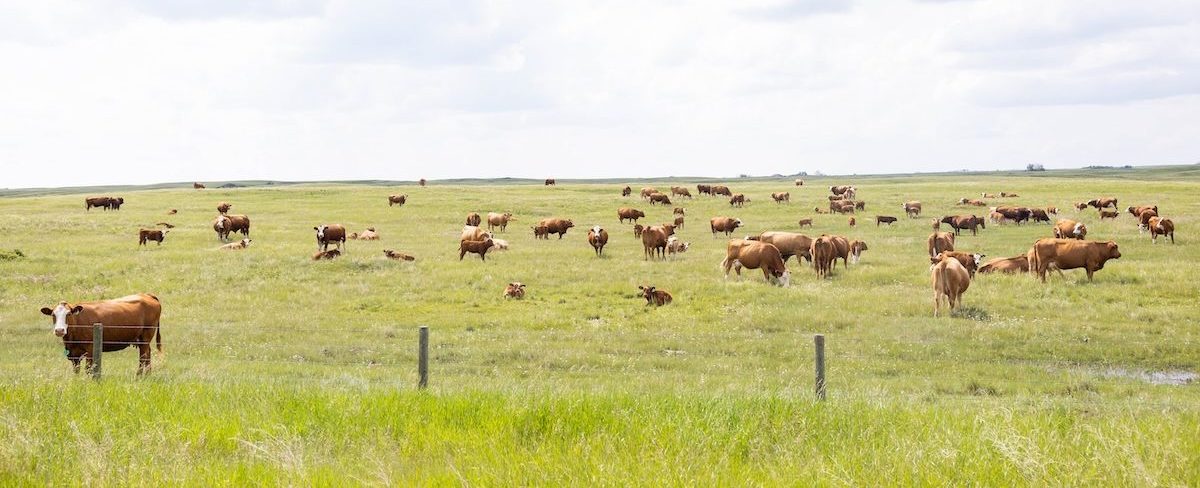
The ranch currently supports approximately 300 cow-calf pairs and more than 100 yearling heifers across roughly 8,800 acres of owned and leased land. As the family looks ahead, son Tyler and daughter-in-law Dezarae are taking on increasing responsibility, helping carry the operation and its stewardship values into the next generation.
Water Development & Pasture Management
Water development is one of the defining stewardship investments for the Waltons.
As grazing management became central to the operation, the Walton family invested in an interconnected network of wells, underground pipelines, reservoirs and watering tanks designed to encourage even grazing across the landscape through healthier pastures and strategically placed watering sources.
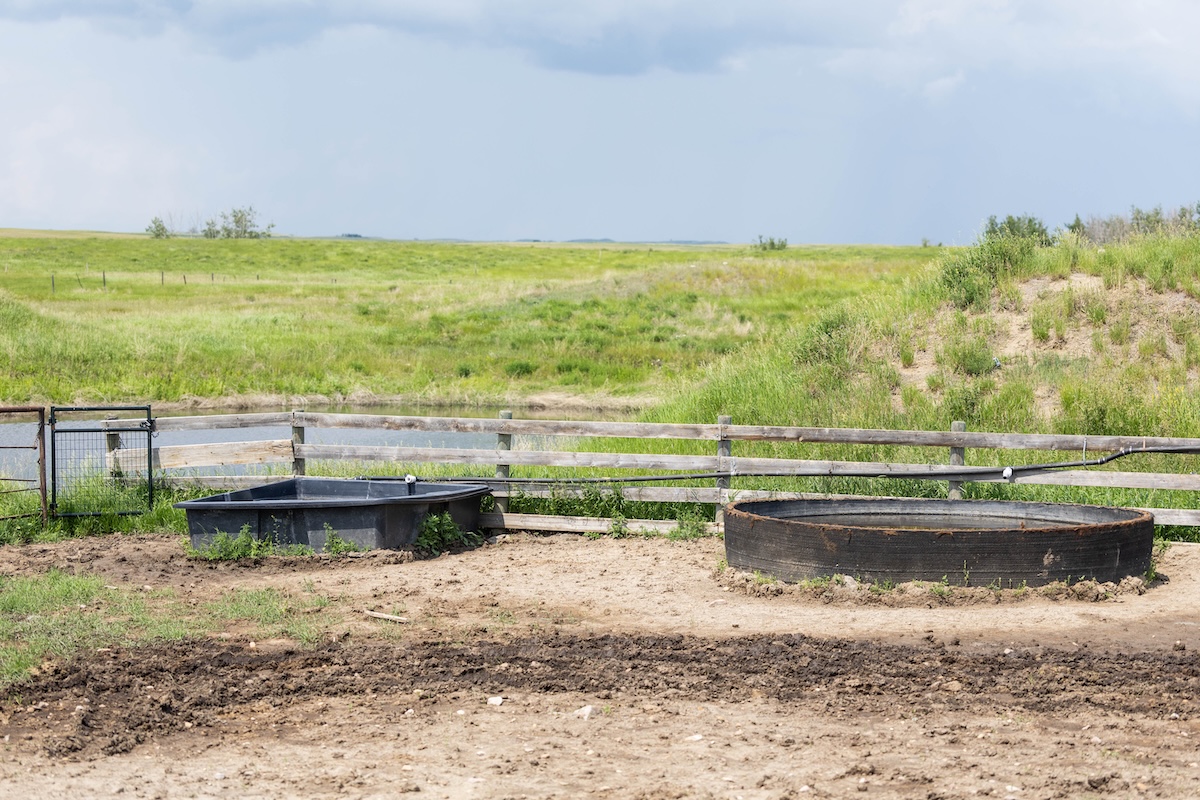
One project Ron still speaks about with pride is the re-grassing of a half-section around an old grainery site, where he drilled a well and ran a free-flow line into a tire tank – turning a long-abandoned field back into productive, watered pasture.
The ranch now has approximately 13 miles of underground pipeline supplying 28 watering tanks across the ranch, with 10 dugouts providing supplemental water.
Native and Re-grassed Prairie, Protected
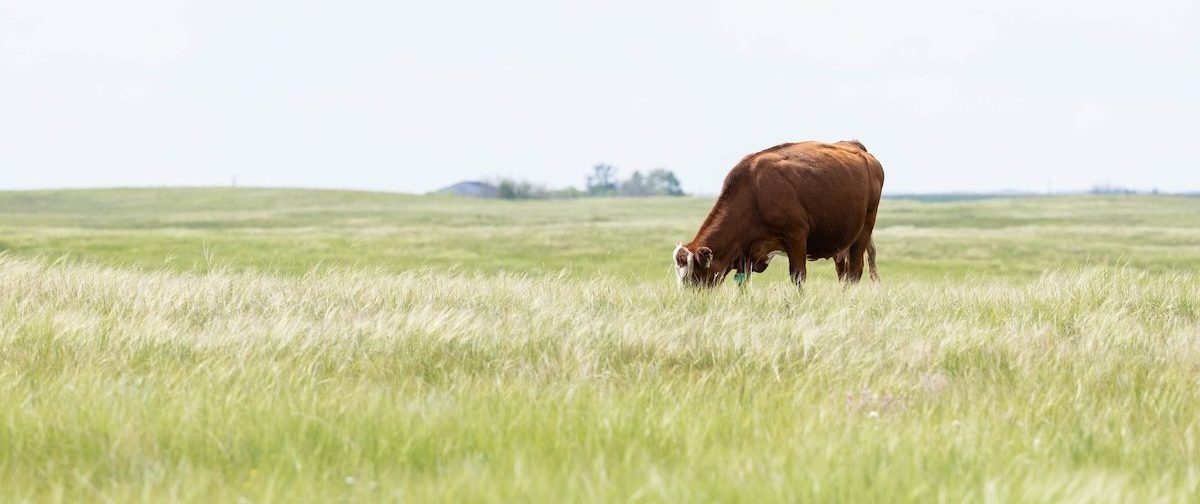
Pastures the Waltons re-grassed decades ago have matured into dense stands of crested wheatgrass.
The family keeps six full sections closed to hunting, creating a refuge that has transformed wildlife on the land. Ron has watched the shift over a lifetime.
“When I was growing up, it was rare to see some species – like sharp-tailed grouse and Hungarian partridge. The first deer we’d seen was in the early 1960s,” he says. “In the last few years, we’ve seen flocks of 20 to 40 grouse and partridge, mule and white-tailed deer, moose and even elk. It’s quite a feeling to see the animals in the barren prairies, and to watch them watering at the water tanks.”
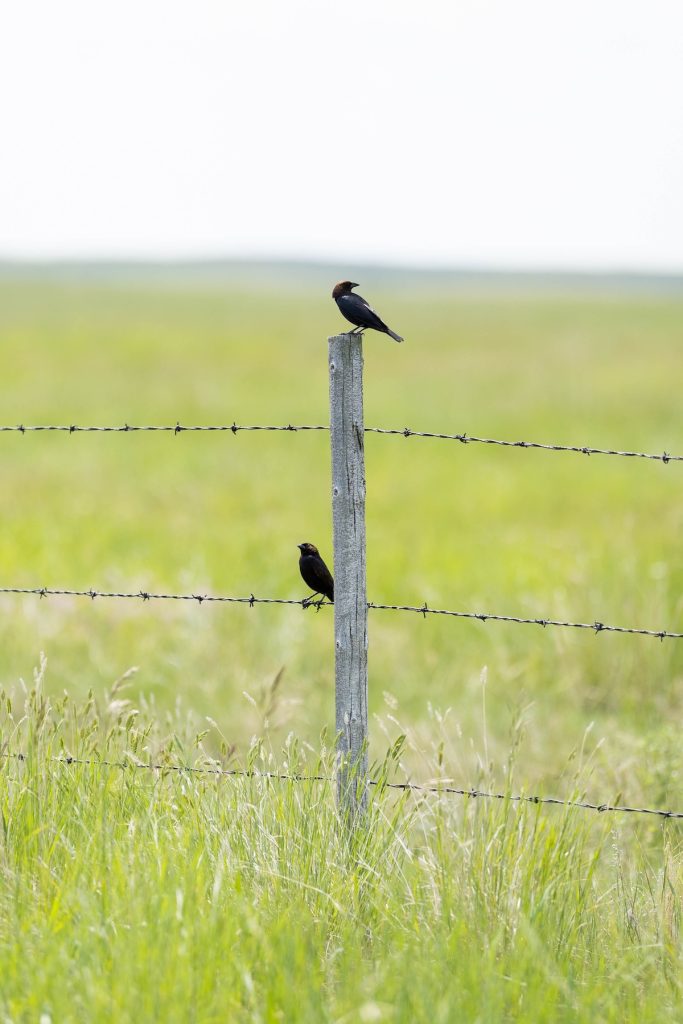
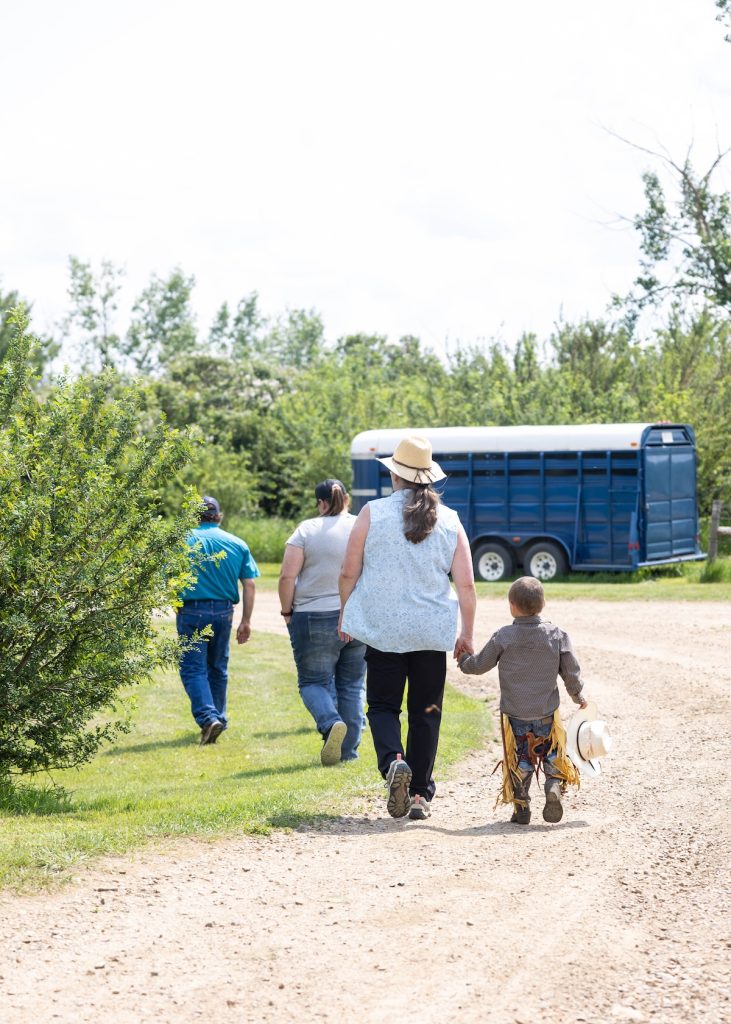
Touring the ranch today in late spring, it’s common to spot antelope, mule deer does in pre-fawning groups, and sharp-tailed hens flushing ahead of the truck.
“The environment that we’re caretakers of – if it’s healthy, if everything in nature is working – it’s a chain,” Ron says. “The system is complete.”
Calving & Seasonal Management
Calving practices reflect the same patient, deliberate approach.
Calving starts in mid-March in tight quarters, with pairs moving into a series of pens once calves have successfully bonded with and are nursing from their mothers.
By mid-April, pairs move out onto tame grass fields bordered by caragana shelterbelts, fenced with the bottom wire raised high enough for calves to slip underneath for shelter during storms – while keeping cows from following in and damaging the brush.
By early June, cattle are sorted into breeding groups and moved to summer pasture. By late October, calves are weaned, steers sold, and heifers brought home to start the cycle again.
A Test of Resilience
Several years ago, the Walton family faced one of its greatest challenges when Ron was seriously injured in an accident northwest of Hanna and airlifted by STARS Air Ambulance to Edmonton.
He spent three months recovering while Kim made a weekly drive to be with him. The experience accelerated the transition to the next generation.
During Ron’s recovery, the family and community stepped forward without missing a beat.
“Ernest is my legs,” Ron says of his grandson with a smile. “He has to do all the stuff that I can’t do, and he never complains. [His sister], Abby, she’s getting to help out too. And Tyler and Dezarae are taking over the operation of the place.”
Generations of Stewardship
For a family that has spent 115 years quietly doing the right thing by the land – even without having a name for it – the ESA recognition carries a particular weight.
Long before environmental stewardship was recognized through awards and formal programs, the Waltons were simply ranching the way they believed in. For Ron, that remains the most surprising part of receiving the award.
“We’re just ordinary people doing what we love and what feels right,” he says. “To be recognized – I can’t describe what it means to us.”
Share this article on



You might also be interested in
-
February 25, 2026 Inspiration
Why the International Year of Rangelands and Pastoralists matters to Alberta ranchers
-
January 26, 2023 Checking in with ABP
Celebrating environmental stewardship in the cattle industry
Cattle Report
Updated: October 16, 2026
Steers
Live: ---
Rail: 500.00 del
Heifers
Live: ---
Rail: 500.00 del
Choice Steers
Live: 220.00 (IA)*few
Rail: 345.00-355.00 (IA, NE)
Choice Heifers
Live: 220.00 (IA)*few
Rail: 345.00-355.00 (IA, NE)
Boner Cows
Over 500 lbs: 258.94
Canadian Dollar
$70.94 0.25
Livestock Price Insurance Index
| Expiry | Fed | Feeder | Calf |
|---|---|---|---|
| 08-Feb-27 | 290 | 458 | -- |
| 08-Mar-27 | 290 | 454 | -- |
| 05-Apr-27 | 294 | 452 | -- |
| 03-May-27 | 300 | 450 | -- |
| 31-May-27 | 306 | 456 | -- |
| 28-Jun-27 | 302 | 456 | -- |
| - | - | - | - |
Last Updated on October 15, 2026