Live: ---
Rail: 495.00-500.00 del

{{ weatherTemp }}°C
{{ weatherCity }}

AB Direct - Steers
AB Direct - Heifers
Live: ---
Rail: 495.00-500.00 del
Rail: 495.00-500.00 del
US Trade- Steers
Live: 218.00 (IA, NE)
Rail: 345.00 (NE, IA)
Rail: 345.00 (NE, IA)
US Trade - Heifers
Live: 218.00 (IA, NE)
Rail: 345.00 (NE, IA)
Rail: 345.00 (NE, IA)
Canadian Dollar
$70.27
0.26
0.26

Featured
-

Producer Meetings
Who could say no to a $10 supper with friends and colleagues? Join fellow cattle producers for a meal and conversations at upcoming Producer Meetings.
Learn More
September 1, 2026
Health & Production
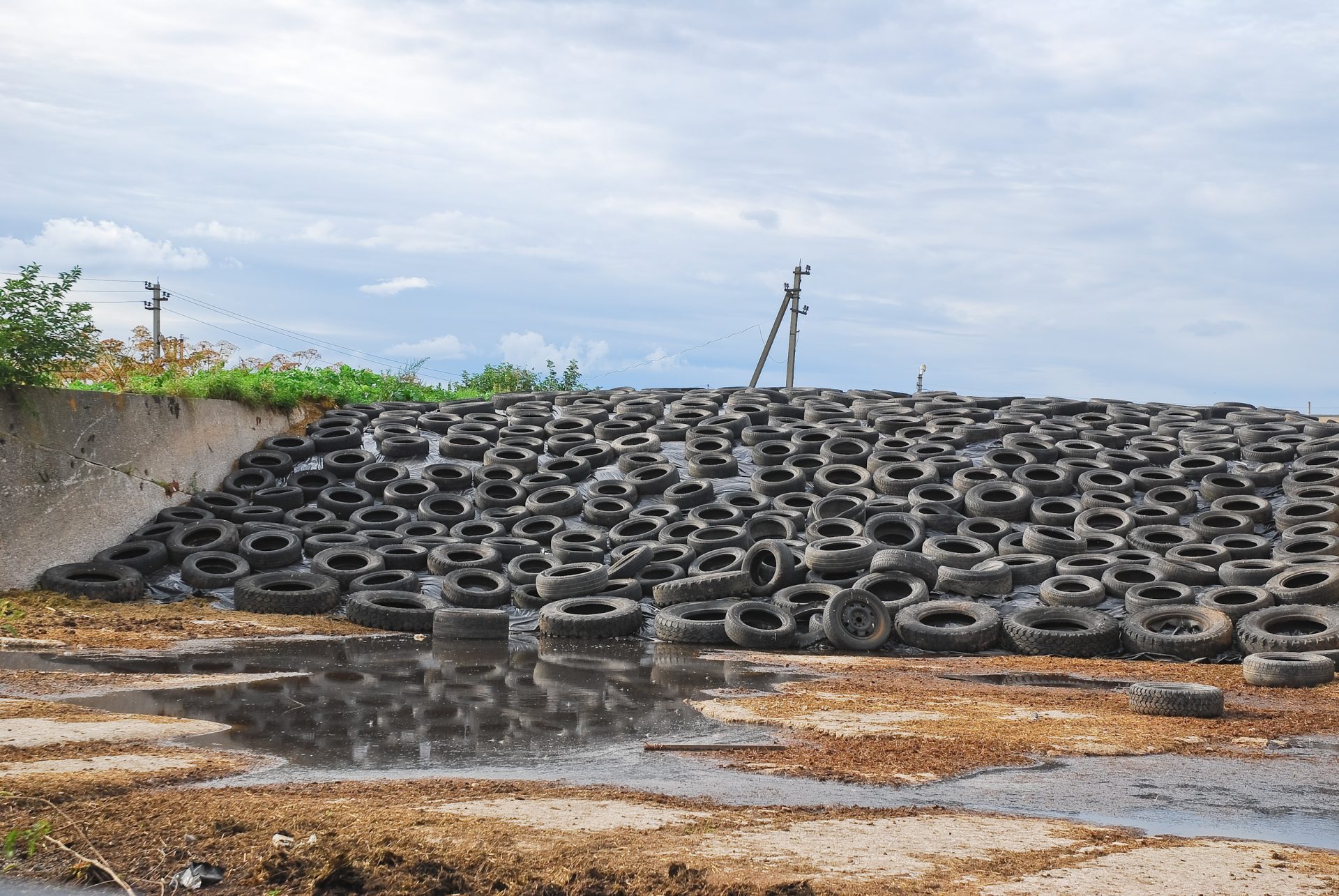
Finished silaging? Take one more look at the pile
For many producers, silaging is well underway. Once the pile is covered, it’s tempting to move on to harvest or tackle the next job on the list. But taking a few minutes to check that cover now can help protect months of work. Silage needs to stay sealed to ferment properly and maintain feed quality….
August 31, 2026
Current Markets & Forecasts
Canada’s cattle herd grows at fastest pace in two decades
Canada’s cattle herd continues to grow in 2026, with inventories reaching their highest level in years as producers retain more breeding animals and calf numbers increase. According to Statistics Canada’s July Livestock Estimates report, released August 27, 2026, there are 12.1 million cattle and calves on Canadian farms as of July 1, up 3.2 per…
August 31, 2026
Current Markets & Forecasts
Canfax Weekly Article | Report for the week of August 31, 2026
It was another tough week for the cattle feeder. Leverage has shifted out of feedlots’ hands toward the packing segment. In some cases, feedlots were looking to book hook space. Others were negotiating for a flat price with no heavy weight carcass discounts. Lift time continued to stretch out. Weighted average steer and heifer prices…
August 31, 2026
News
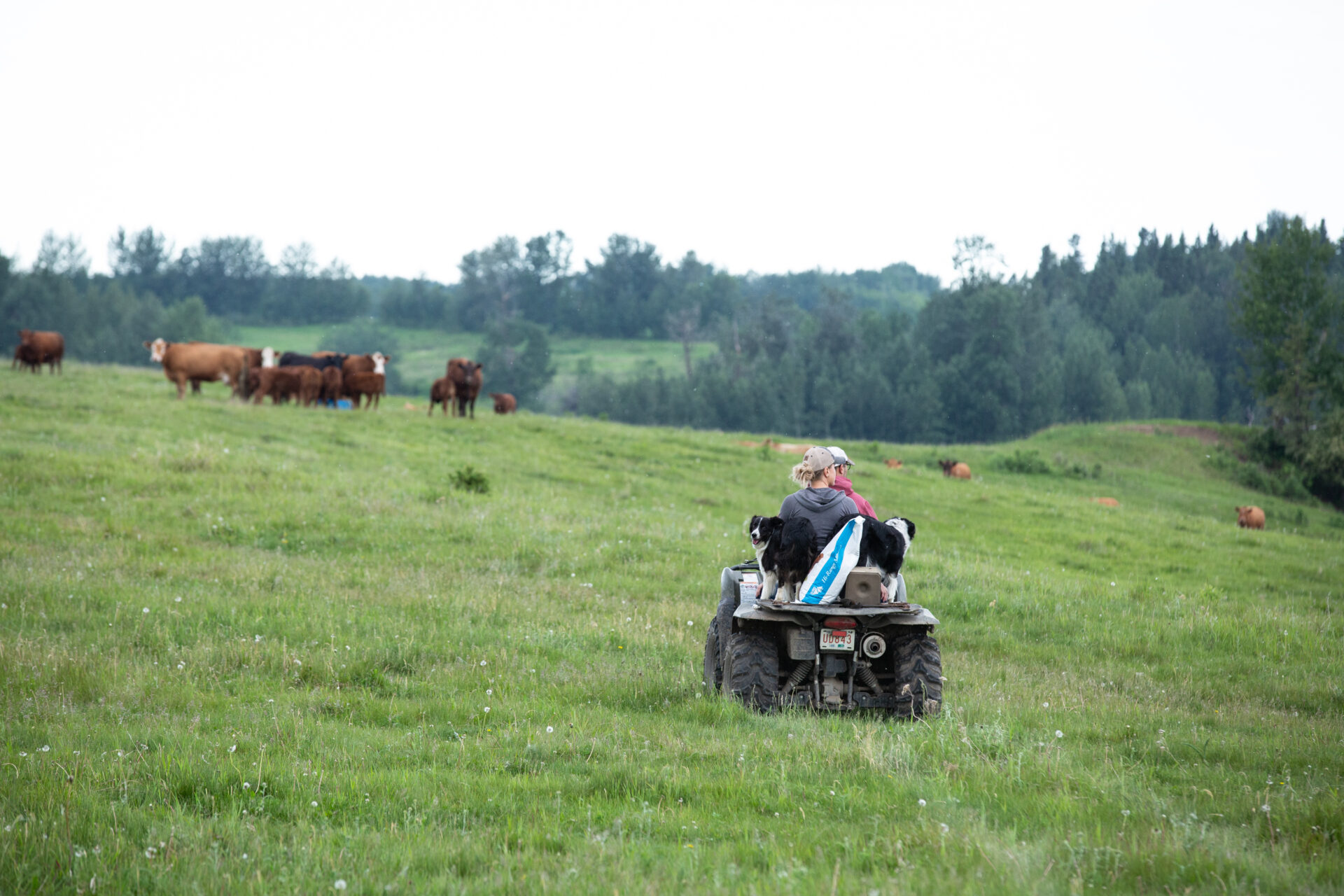
New RDAR investment in feed and forage barley and triticale
A $5.2 million investment will strengthen feed and forage barley and triticale breeding programs for producers across Alberta and Western Canada. The funding, provided through Results Driven Agriculture Research (RDAR) and supported by the federal and provincial governments the Sustainable Canadian Agricultural Partnership, will help Western Crop Innovations (WCI) advance the developments of productive, resilient,…
August 31, 2026
Health & Production
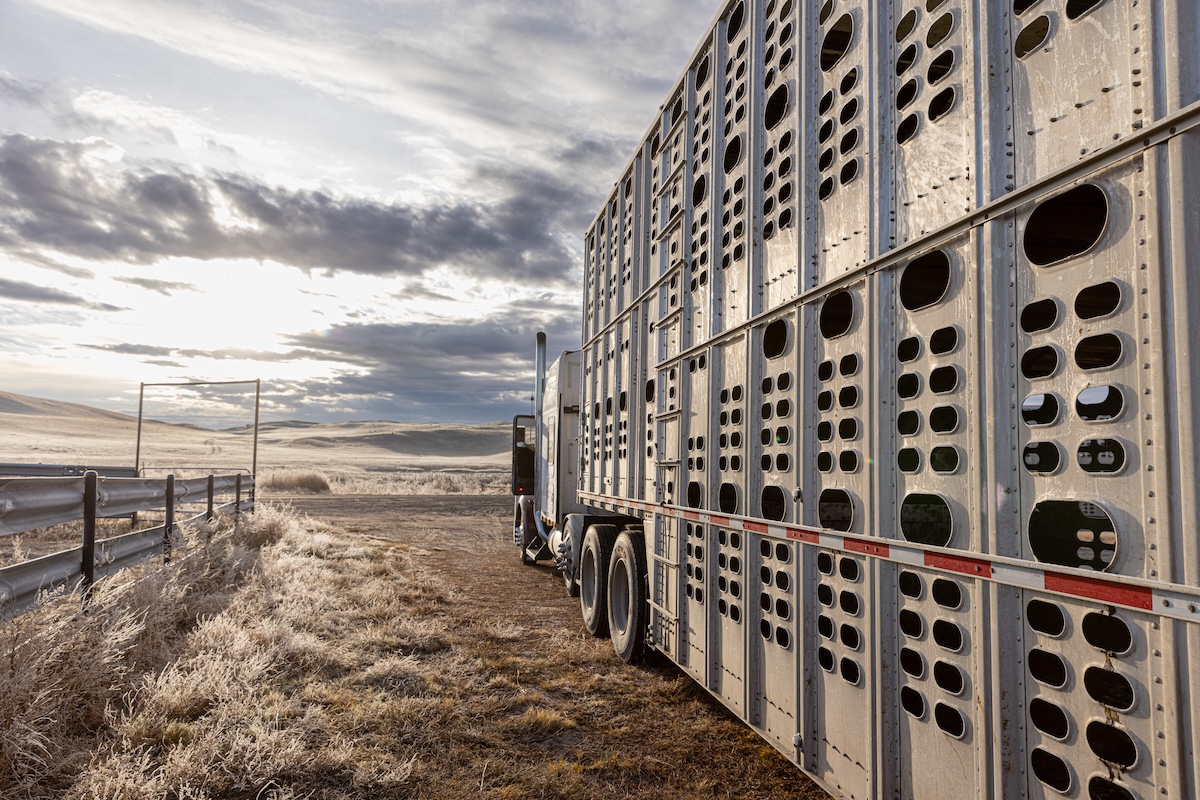
Balancing cost, labour, and nutrition in cattle mineral programs
Providing cattle with the right minerals is an important part of herd nutrition, but the way those minerals are delivered can affect costs, labour requirements, and how consistently cattle receive the nutrients they need. A new resource from the Beef Cattle Research Council (BCRC) compares five common mineral delivery methods and outlines the advantages and…
August 28, 2026
Issues & Insights
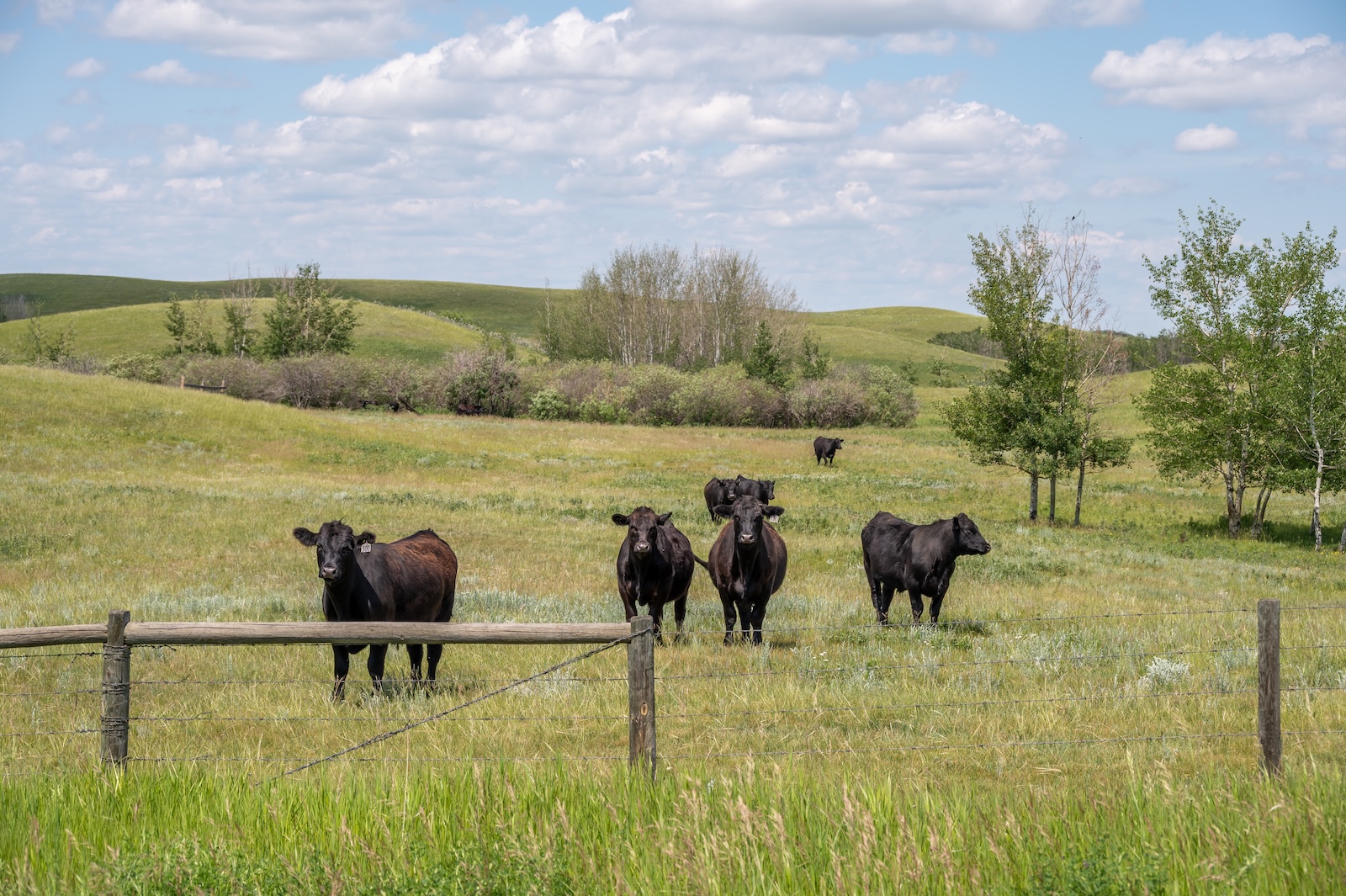
Trade uncertainty shaping investment decisions, industry leaders say
Uncertainty surrounding Canada-U.S. trade relations is influencing planning and investment decisions across the agriculture sector, speakers said during a recent webinar hosted by RealAgriculture and the Canadian Agri-Food Policy Institute (CAPI). While tariffs remain a concern for producers and agribusinesses, panelists said unpredictability surrounding future trade policy is also making it more difficult for businesses…
August 28, 2026
Health & Production
BCRC highlights grazing management resources for summer
The Beef Cattle Research Council (BCRC) is highlighting resources to help producers manage pasture conditions, cattle nutrition, and herd performance throughout the summer. The latest edition of BCRC’s Vet Tools brings together science-based information on grazing management, water quality, feed testing and forage nutrition, helping producers address potential challenges before they affect productivity. The summer…
August 27, 2026
Health & Production
Alberta moisture conditions remain uneven as harvest progresses
Moisture conditions across Alberta remain highly variable heading into harvest, with some areas dealing with excess moisture while others continue to see below-normal rainfall and declining soil moisture reserves. Alberta Agriculture and Irrigation’s latest moisture update shows rainfall during the week ending August 20, 2026, was lighter than in previous reporting periods. The heaviest precipitation…

August 27, 2026
Checking in with ABP
Final reminder: ABP delegate nominations close Aug 31
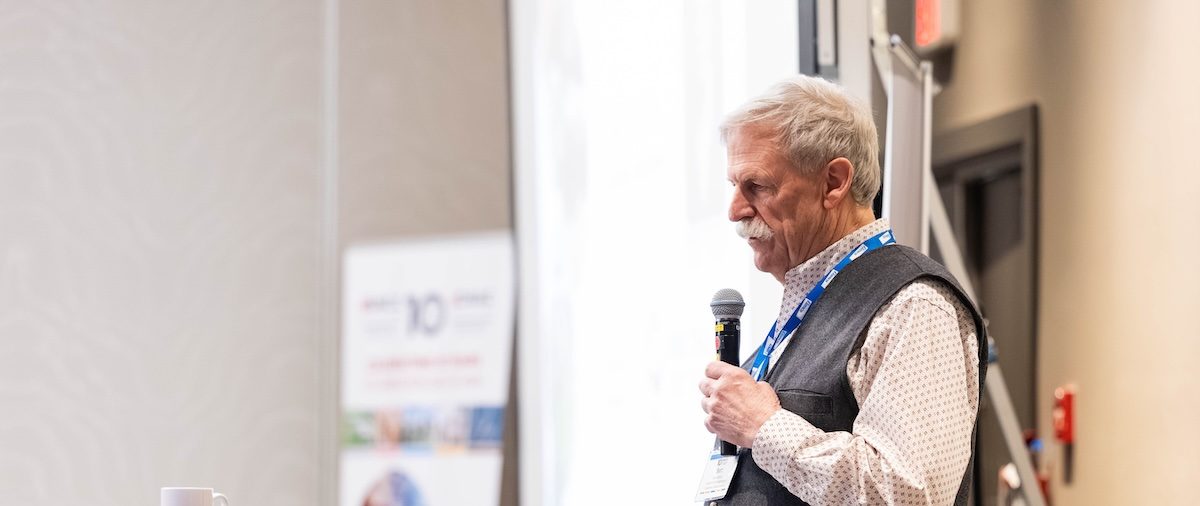
Alberta cattle producers interested in becoming more involved in their industry have until the end of today to submit nominations for Alberta Beef Producers delegate positions. Delegate positions are available across all five ABP zones. Delegates play an important role in representing the needs and perspectives of producers in their zones, keeping producers informed about…
August 27, 2026
News
Saskatchewan professor honoured for beef research contributions
University of Saskatchewan researcher Dr. Bart Lardner has received the 2026 Canadian Beef Industry Award for Outstanding Research and Innovation. Lardner, a professor in the College of Agriculture and Bioresources and chair of the Saskatchewan Ministry of Agriculture’s Strategic Research Program in Cow-Calf and Forage Systems, is being recognized for more than 20 years of…

August 26, 2026
News
U.S. livestock groups oppose proposed beef import plan
Four major U.S. agricultural and livestock organizations are urging President Donald Trump to reconsider a proposed plan that would allow additional beef imports over a 90-day period. The American Farm Bureau Federation, Livestock Marketing Association, National Cattlemen’s Beef Association and United States Cattlemen’s Association said in a letter released August 25, 2026, that they are…
August 26, 2026
News
Alberta extends AgriStability enrolment amid wet conditions
Alberta farmers dealing with excessive moisture this growing season will have more time to access support through the AgriStability program. The Alberta and federal governments have announced changes for the 2026 program year, including an extension of the enrolment deadline from April 30 to October 1, 2026. The move is intended to help producers assess…
Featured
-
Producer Meetings
Who could say no to a $10 supper with friends and colleagues? Join fellow cattle producers for a meal and conversations at upcoming Producer Meetings.
Learn More
Cattle Report
Updated: October 9, 2026
Steers
Live: ---
Rail: 495.00-500.00 del
Heifers
Live: ---
Rail: 495.00-500.00 del
Choice Steers
Live: 218.00 (IA, NE)
Rail: 345.00 (NE, IA)
Choice Heifers
Live: 218.00 (IA, NE)
Rail: 345.00 (NE, IA)
Boner Cows
Over 500 lbs: 268.04
Canadian Dollar
$70.27 0.26
Livestock Price Insurance Index
| Expiry | Fed | Feeder | Calf |
|---|---|---|---|
| 04-Jan-27 | -- | -- | -- |
| 01-Feb-27 | 288 | 456 | -- |
| 01-Mar-27 | 286 | 450 | -- |
| 29-Mar-27 | 290 | 448 | -- |
| 26-Apr-27 | 296 | 444 | -- |
| 24-May-27 | 304 | 450 | -- |
| 21-Jun-27 | 302 | 454 | -- |
Last Updated on October 8, 2026