Live: ---
Rail: 500.00 del

{{ weatherTemp }}°C
{{ weatherCity }}

AB Direct - Steers
AB Direct - Heifers
Live: ---
Rail: 500.00 del
Rail: 500.00 del
US Trade- Steers
Live: 220.00 (IA)*few
Rail: 345.00-355.00 (IA, NE)
Rail: 345.00-355.00 (IA, NE)
US Trade - Heifers
Live: 220.00 (IA)*few
Rail: 345.00-355.00 (IA, NE)
Rail: 345.00-355.00 (IA, NE)
Canadian Dollar
$70.94
0.25
0.25
Canadian Cattle Identification Agency (CCIA)


Featured
-

Producer Meetings
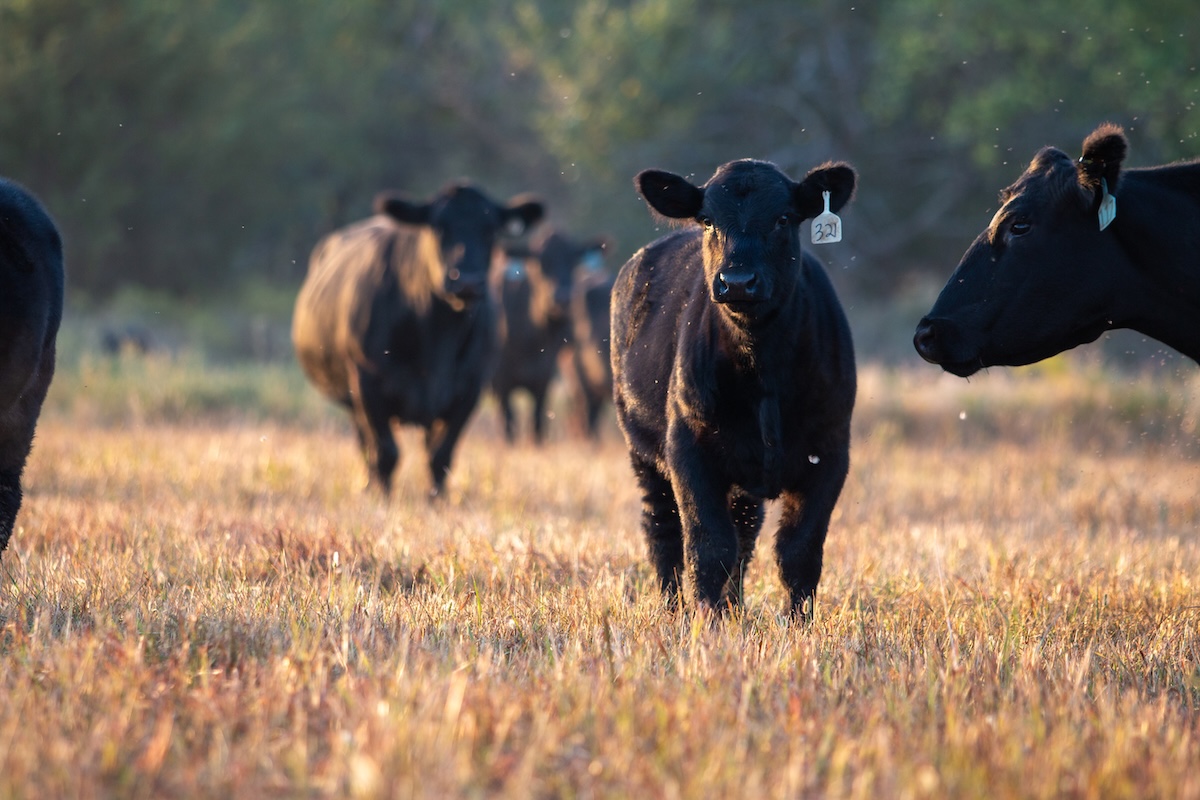
Who could say no to a $10 supper with friends and colleagues? Join fellow cattle producers for a meal and conversations at upcoming Producer Meetings.
Learn More
September 29, 2026
Business Tools
CCIA launches livestock traceability survey
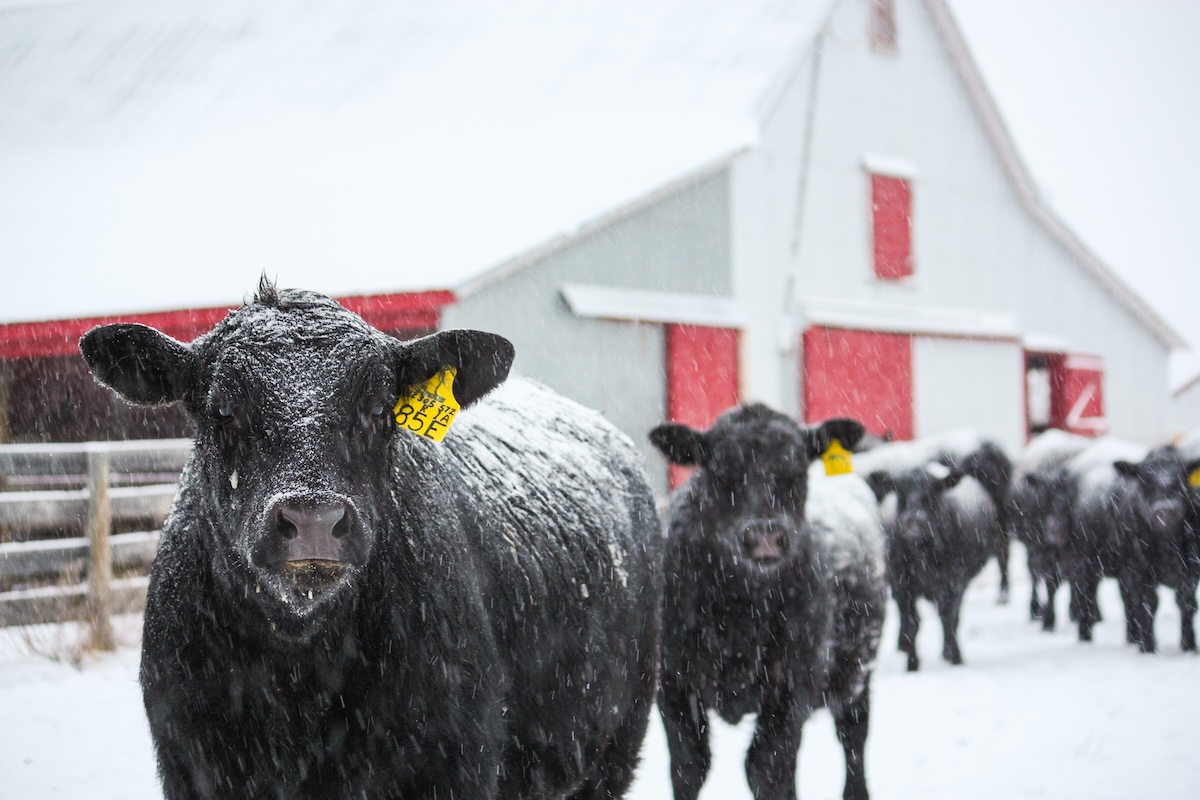
The Canadian Cattle Identification Agency (CCIA) is inviting producers and industry stakeholders to participate in its Livestock Traceability Survey, which is now open. Earlier this year, CCIA established a CLTS Task Force to better understand the business needs of producers and other stakeholders who use or interact with livestock traceability and information systems. As part…
March 6, 2026
Checking in with ABP
Looking Ahead to 2026: Key Conversations for Alberta Producers
As we move into 2026, it’s clear there will be interesting conversations ahead for Alberta beef producers. At the beginning of December, we saw the start of an influx of feedback surrounding traceability regulations and the now paused proposed changes. Our initial response was to host a meeting with the Alberta Beef Producers board of…
February 26, 2026
Checking in with ABP
New CRSB incentive launched for 2026
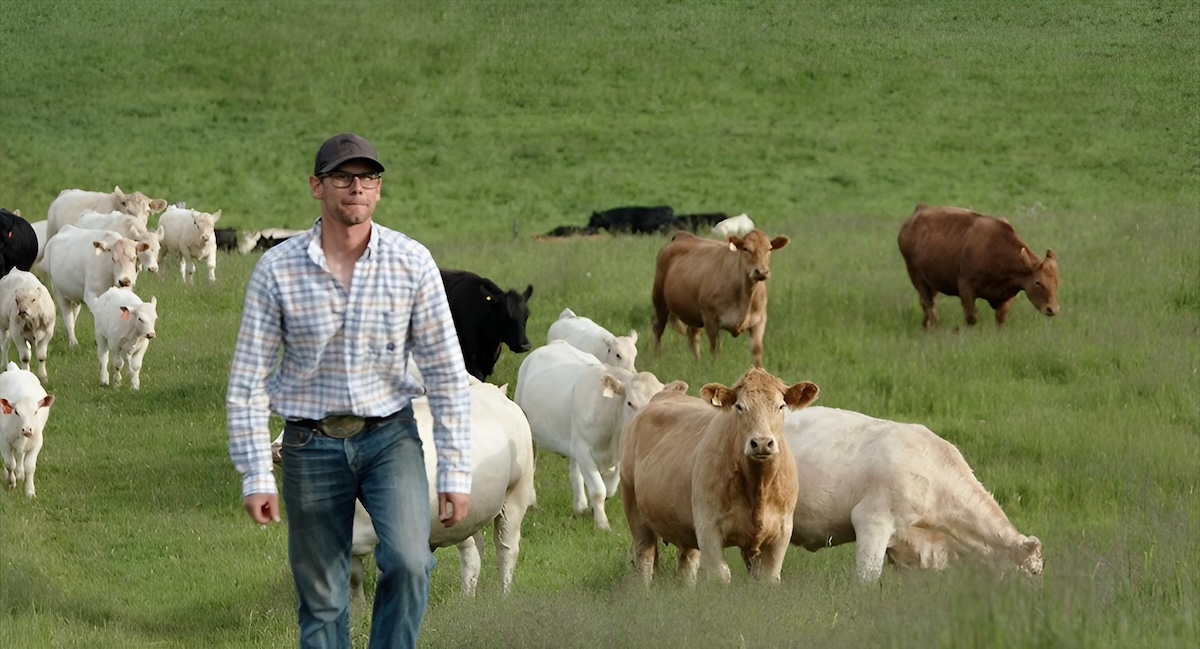
The Canadian Roundtable for Sustainable Beef (CRSB) is offering a $400 incentive in 2026 to eligible CRSB Certified beef producers who maintain or achieve certification under the CRSB Sustainable Beef Production Standard. According to CRSB, the goal is to encourage beef sourcing through certified supply chains. All beef producers who keep their certification current as…
January 5, 2026
Checking in with ABP
Traceability presentations and resources for producers
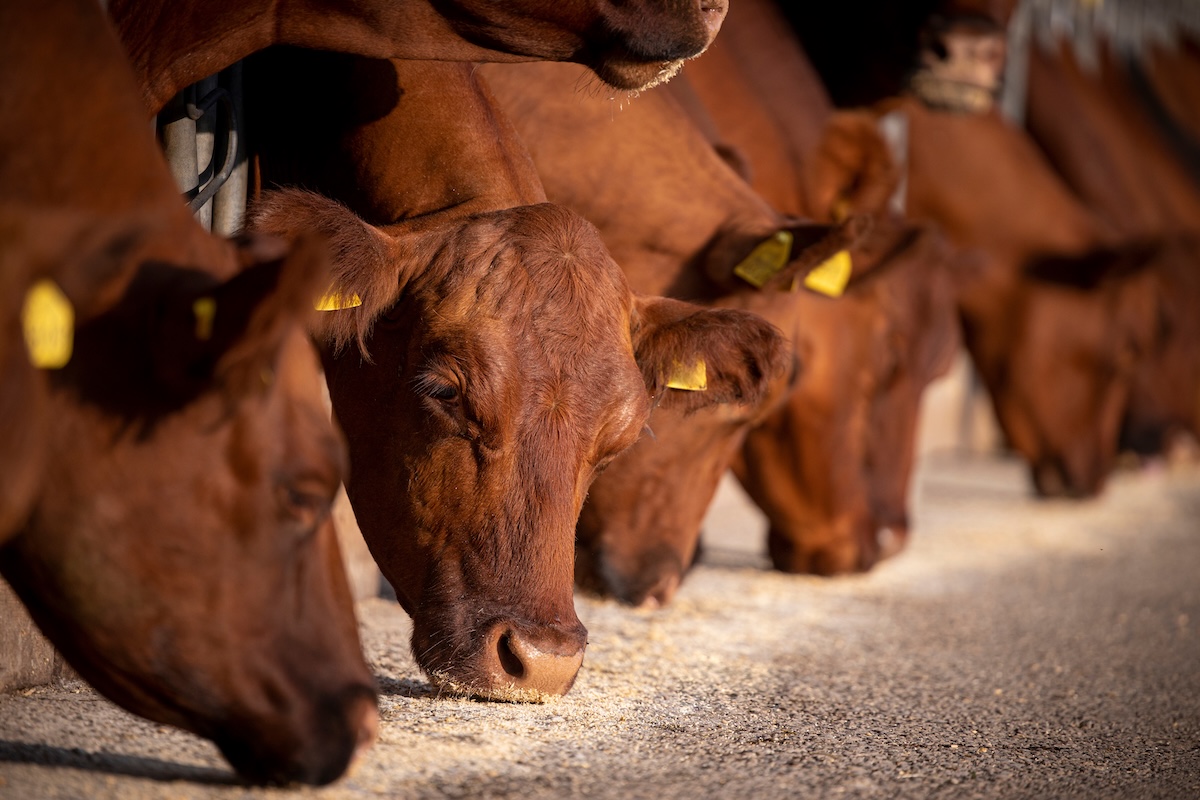
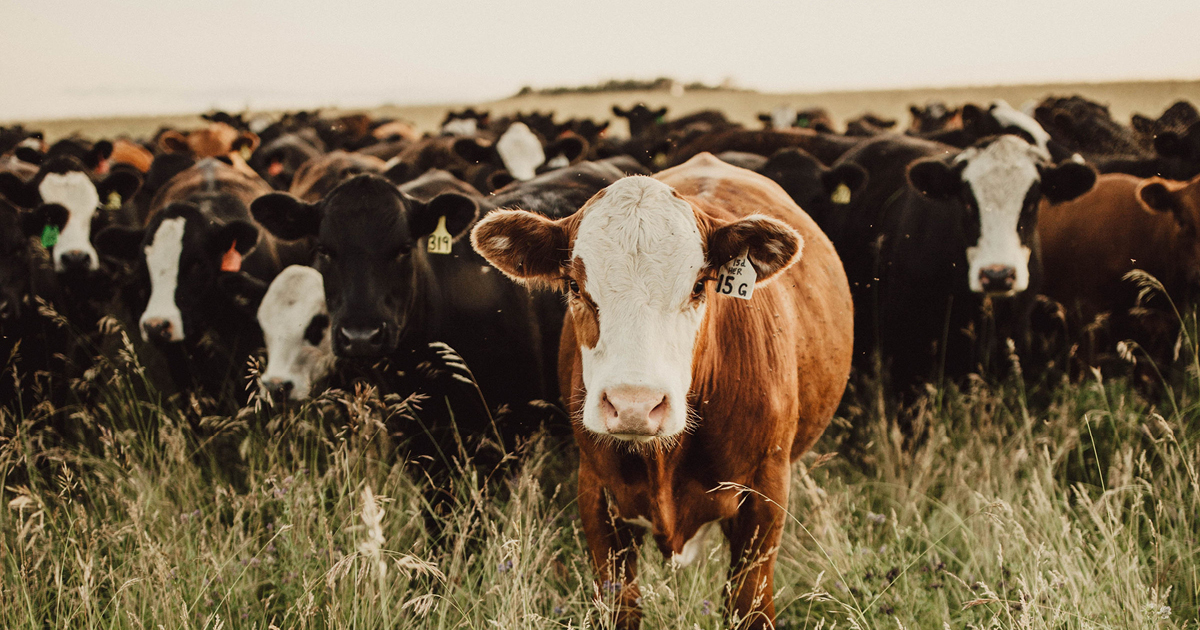
To help clarify key aspects of traceability and proposed regulatory changes, two presentations featuring the Canadian Food Inspection Agency (CFIA) and Canadian Cattle Identification Agency (CCIA) provide information from subject-matter experts. CFIA Traceability Webinar Video: CFIA – Proposed Part XV of the Health of Animals Regulations Overview CFIA is responsible for the traceability regulations themselves…
December 19, 2025
Checking in with ABP
FAQs: What proposed updates mean for producers
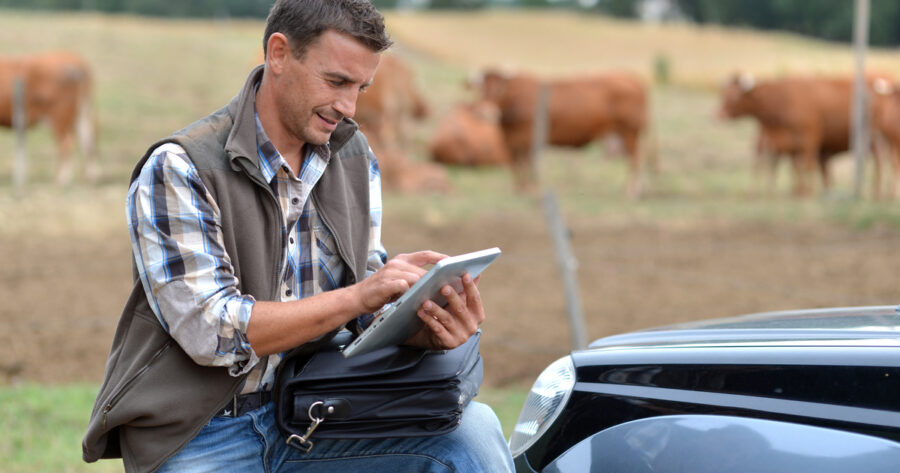
After years of planning and preparation, the Canadian Food Inspection Agency is expecting to publish the final version of proposed amendments to Part XV of the Health of Animals Act in 2026. To help clarify what’s coming and what it means for you, we’ve compiled a few answers to some of the most frequently asked questions we’re hearing. Will I have to change when I tag cattle? There is no required…
December 19, 2025
Checking in with ABP
Understanding proposed updates to livestock traceability regulations
A robust and effective traceability system finds a balance in technical reporting and practicality. Traceability is the ability to follow the movement of an animal or food product through different stages of the supply chain. The ability to track livestock through their lifecycle relies on three pillars: premise identification (PID), animal identification, and animal movement….
September 29, 2025
Checking in with ABP
CCIA testing new RFID scanner to simplify cattle movement reporting
The Canadian Cattle Identification Agency (CCIA) has launched a research project to test a new RFID movement scanner aimed at making cattle movement reporting faster and easier for producers. The initiative comes as proposed changes to Part XV of the Health of Animals Regulations are expected to make livestock movement reporting mandatory. Once the amendments…
September 24, 2025
Health & Production
CCIA testing smart bolus technology
The Canadian Cattle Identification Agency (CCIA) is advancing identification and tracking technologies through its latest research project: The Smart Bolus System as a potential alternative to traditional livestock identification and reporting methods. Livestock traceability is a cornerstone of animal health, food safety and supply chain integrity in Canada. Smart bolus systems—similar in size and weight to…
April 10, 2024
Health & Production
Ear tag retention comes down to best management practices
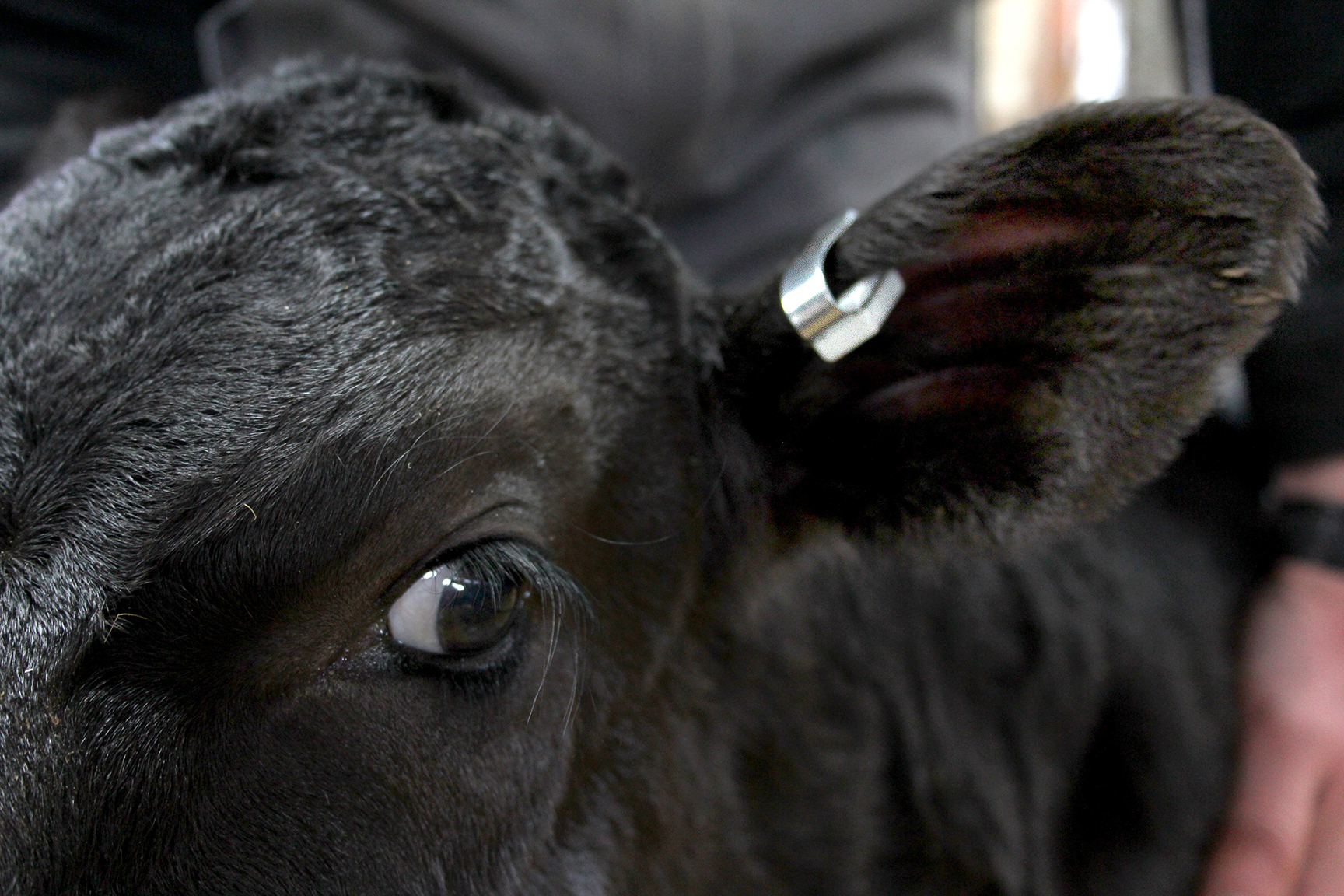
Lost ear tags are a costly and frustrating reality on Canadian cattle ranches. Yet, tags play an integral role in in disease outbreak investigations, as well as in maintaining the credibility of Canada’s traceability system. The Canadian Cattle Identification Agency (CCIA) both examines and investigates reports of retention issues on an ongoing basis. Most of…
March 23, 2023
Checking in with ABP
Celebrating 25 Years | Canada’s traceability pioneers
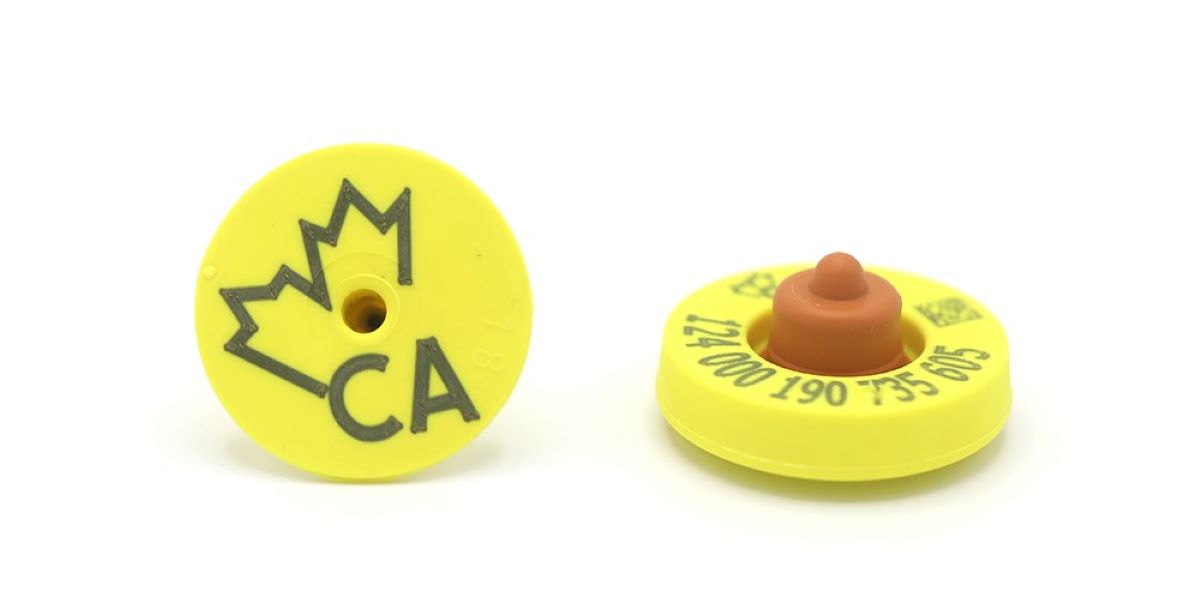
“The core objective of the Canadian Cattlemen’s Association (CCA) National Cattle Identification program is to create a system whereby every bovine animal sold by its original owner, and leaving its herd of origin, bears a unique identification number. That unique identification number will remain with that animal until it is slaughtered and after slaughter will…
January 31, 2023
Checking in with ABP
UHF tag numbers now supported in national tracking database
Responding to a need brought forward by industry and under the direction of the Board of Directors, Canadian Cattle Identification Agency (CCIA) has just launched an initiative that links non-approved Ultra High Frequency Technology (UHF) secondary tags to approved CCIA tags in the Canadian Livestock Tracking System (CLTS) database. This new feature allows UHF users…
November 22, 2022
Checking in with ABP
We’ve moved tag distribution closer to industry
On July 11, CCIA brought tag distribution in-house and closer to industry. Moving away from a third-party provider allows producers to buy closer to the source and access any approved tag on the market, at competitive prices. The webstore tags.canadaid.ca has been revamped to provide a seamless shopping experience which is mobile-responsive, so you can…
Featured
-
Producer Meetings
Who could say no to a $10 supper with friends and colleagues? Join fellow cattle producers for a meal and conversations at upcoming Producer Meetings.
Learn More
Cattle Report
Updated: October 16, 2026
Steers
Live: ---
Rail: 500.00 del
Heifers
Live: ---
Rail: 500.00 del
Choice Steers
Live: 220.00 (IA)*few
Rail: 345.00-355.00 (IA, NE)
Choice Heifers
Live: 220.00 (IA)*few
Rail: 345.00-355.00 (IA, NE)
Boner Cows
Over 500 lbs: 258.94
Canadian Dollar
$70.94 0.25
Livestock Price Insurance Index
| Expiry | Fed | Feeder | Calf |
|---|---|---|---|
| 08-Feb-27 | 290 | 458 | -- |
| 08-Mar-27 | 290 | 454 | -- |
| 05-Apr-27 | 294 | 452 | -- |
| 03-May-27 | 300 | 450 | -- |
| 31-May-27 | 306 | 456 | -- |
| 28-Jun-27 | 302 | 456 | -- |
| - | - | - | - |
Last Updated on October 15, 2026