Live: ---
Rail: 490.00-500.00 del (bids/sales)

{{ weatherTemp }}°C
{{ weatherCity }}

AB Direct - Steers
AB Direct - Heifers
Live: ---
Rail: 490.00-500.00 del (bids/sales)
Rail: 490.00-500.00 del (bids/sales)
US Trade- Steers
Live: ---
Rail: ---
Rail: ---
US Trade - Heifers
Live: ---
Rail: ---
Rail: ---
Canadian Dollar
$71.45
0.10
0.10
Business Tools


Featured
-
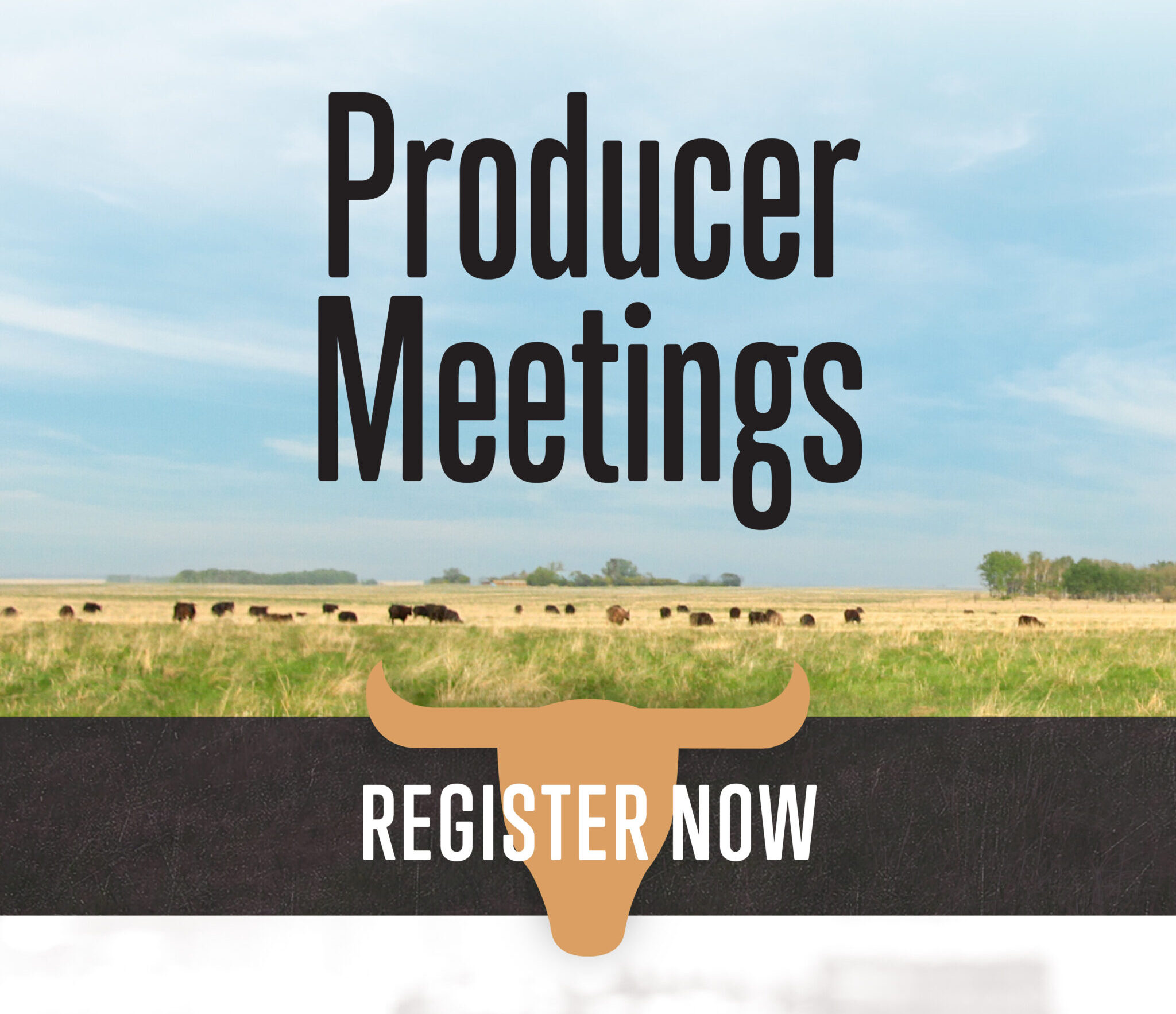
Producer Meetings
Who could say no to a $10 supper with friends and colleagues? Join fellow cattle producers for a meal and conversations at upcoming Producer Meetings.
Learn More
October 17, 2026
Business Tools
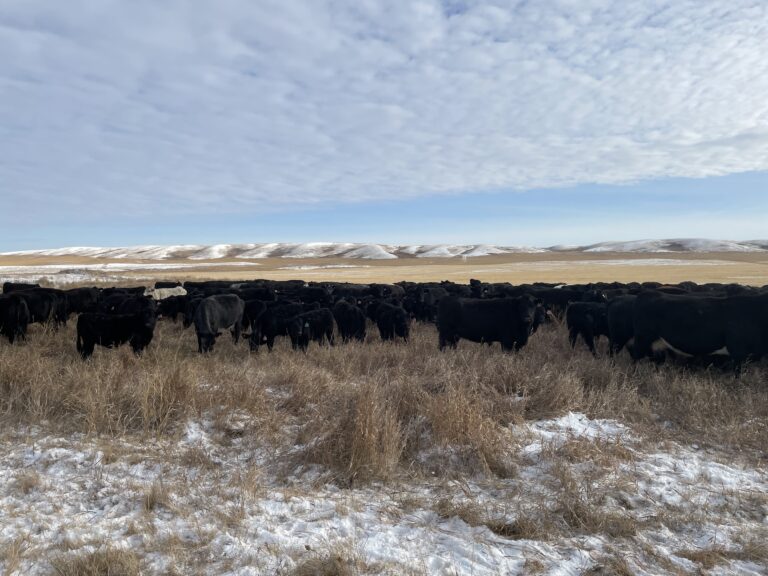
Building a uniform cow herd through intentional genetic selection
When Chelsey Siemens and her husband, Chris, established Black Diamond Agro 12 years ago, their focus was clear: build a commercial cow-calf herd that could produce consistent, high-quality calves. Operating in west-central Saskatchewan, they now run 300 black Angus-based cows with some Gelbvieh and Shorthorn influence. With a breeding objective centered on producing calves with…
October 15, 2026
Business Tools
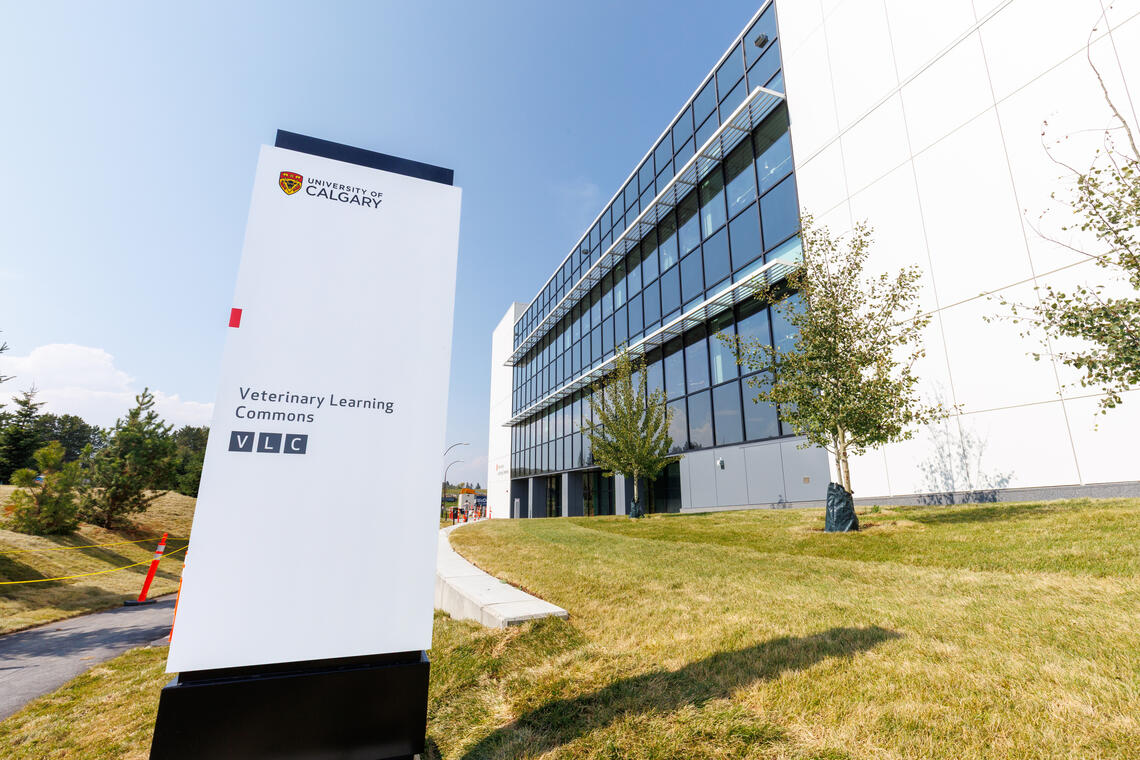
Research project aims to stay ahead of roundworm resistance in cattle
University of Calgary researchers are using genomics and artificial intelligence to search billions of chemical compounds for new ways to control roundworms, also known as nematodes, in cattle. Supported in part by Alberta Beef Producers (ABP), the project brings together researchers from the University of Calgary’s Faculty of Veterinary Medicine and Faculty of Science. The…
September 29, 2026
Business Tools
CCIA launches livestock traceability survey
The Canadian Cattle Identification Agency (CCIA) is inviting producers and industry stakeholders to participate in its Livestock Traceability Survey, which is now open. Earlier this year, CCIA established a CLTS Task Force to better understand the business needs of producers and other stakeholders who use or interact with livestock traceability and information systems. As part…
September 29, 2026
Business Tools
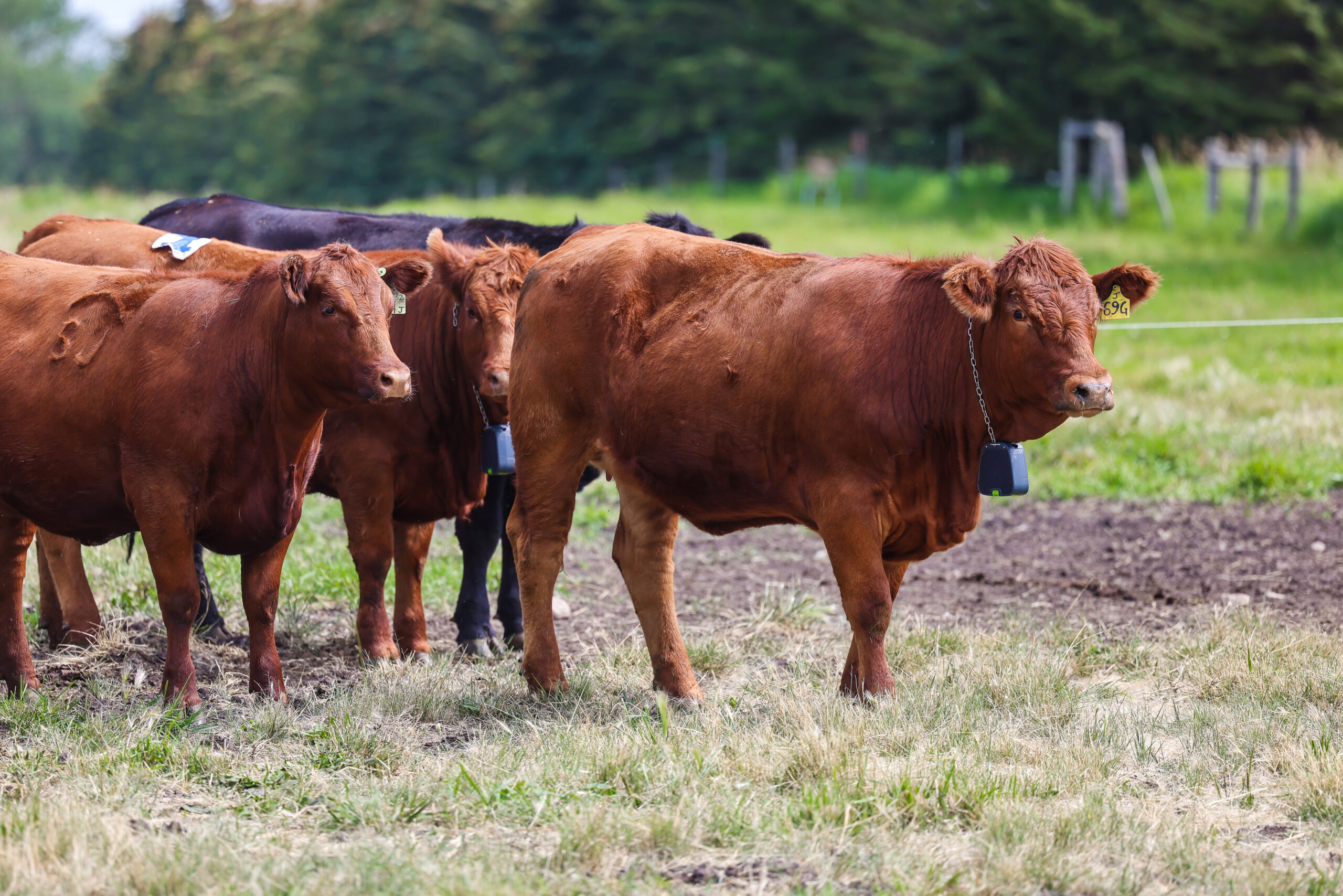
Alberta study tests virtual fencing under ranch conditions
New Alberta research will test how virtual fencing performs with cow–calf pairs and yearlings under working ranch conditions. Results Driven Agriculture Research (RDAR) is supporting trials of Halter’s virtual fencing technology led by the Technology Access Centre for Livestock Production at Olds College of Agriculture & Technology. The research will examine how the collars perform…
September 28, 2026
Business Tools
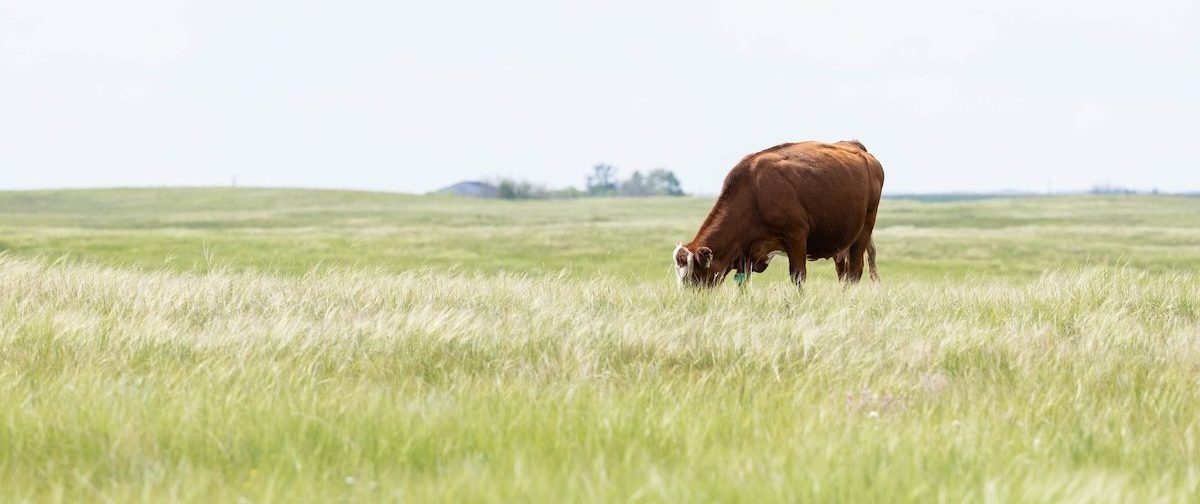
CLTS birth date flag moves to 12 months on October 1
Producers will have more time to enter or update an animal’s birth date in the Canadian Livestock Tracking System (CLTS) before a flag appears on the record. Effective October 1, 2026, the birth date flag threshold will increase from nine months to 12 months (365 days). The change follows industry feedback and is intended to…

September 26, 2026
Business Tools
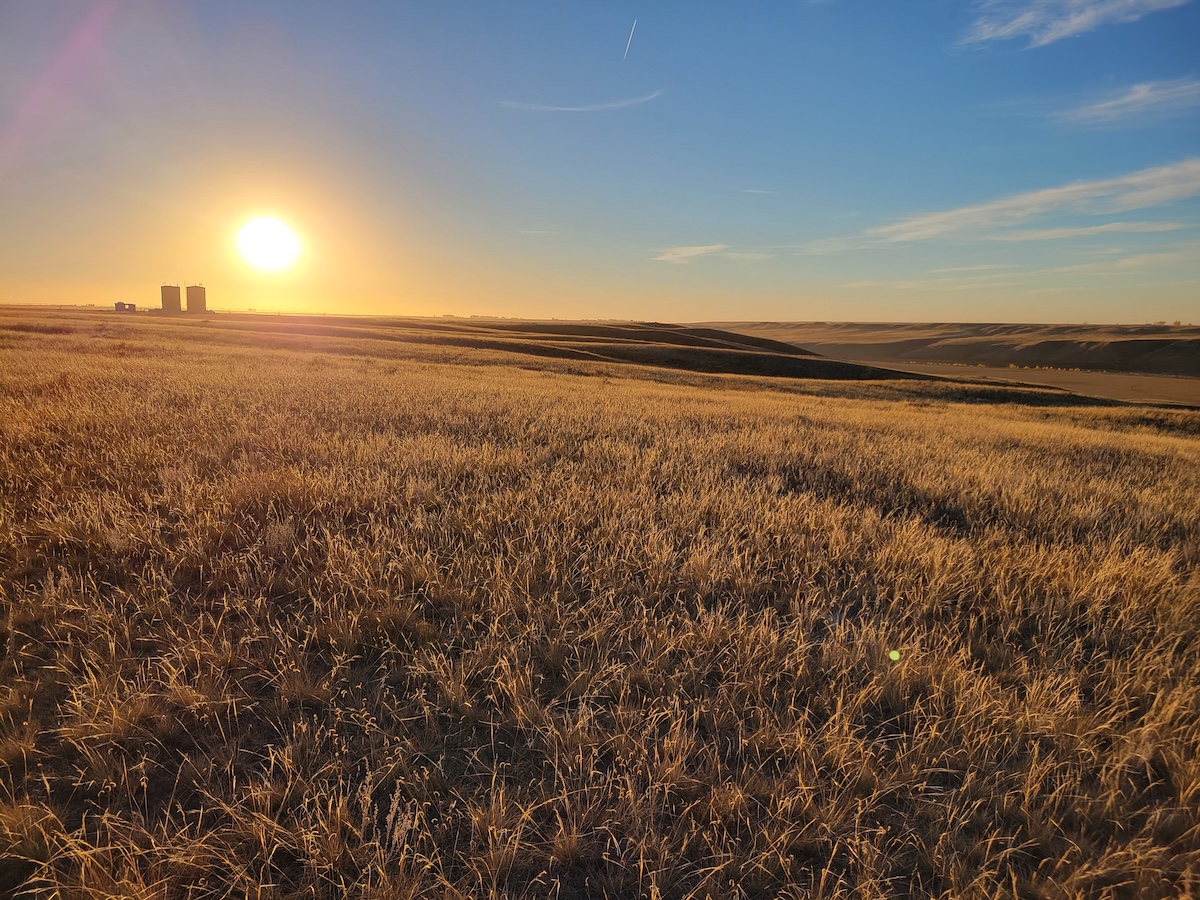
On-Farm Efficiency Program opens to applications
Alberta cattle producers looking to add new tools for herd, feed or water monitoring can now apply for funding through the province’s On-Farm Efficiency Program. Applications opened Sept. 23. The program, delivered through the Sustainable Canadian Agricultural Partnership (Sustainable CAP), supports technology aimed at improving resource use, reducing waste and helping producers monitor day-to-day operations….
September 23, 2026
Business Tools
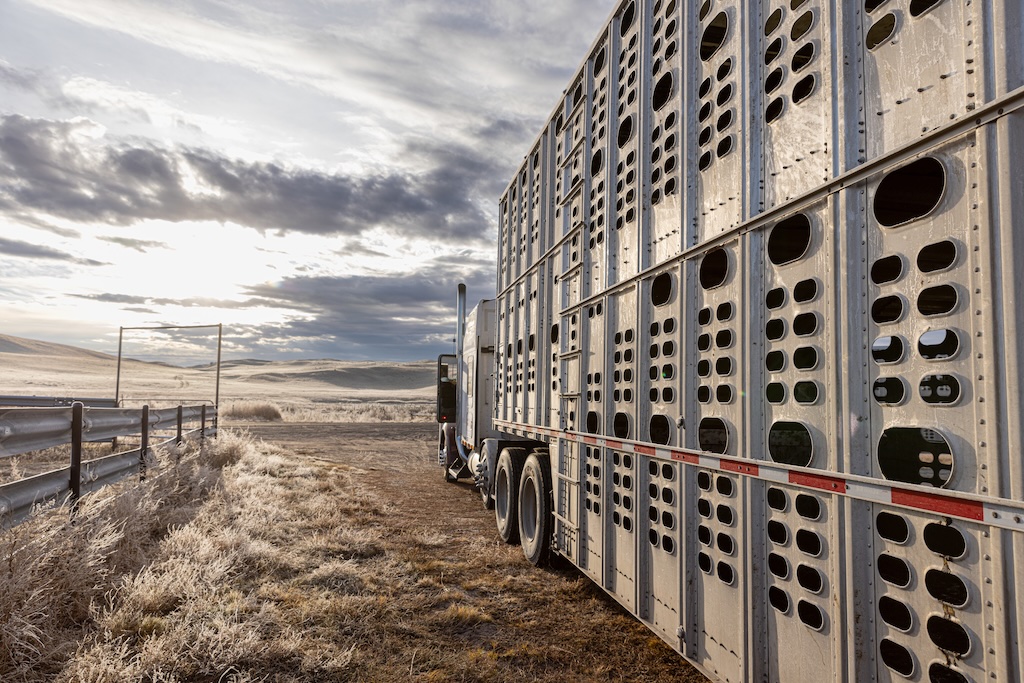
Reminder: AgriStability late participation deadline Oct. 1
Alberta cattle producers who missed the spring AgriStability enrolment deadline have until Oct. 1, 2026 to apply for late participation. The federal and provincial governments reopened enrolment for the 2026 program year in response to excessive moisture affecting farms and ranches. AgriStability helps producers manage large declines in farm income caused by production losses, increased…
September 22, 2026
Business Tools
Check-off reminders ahead of fall run
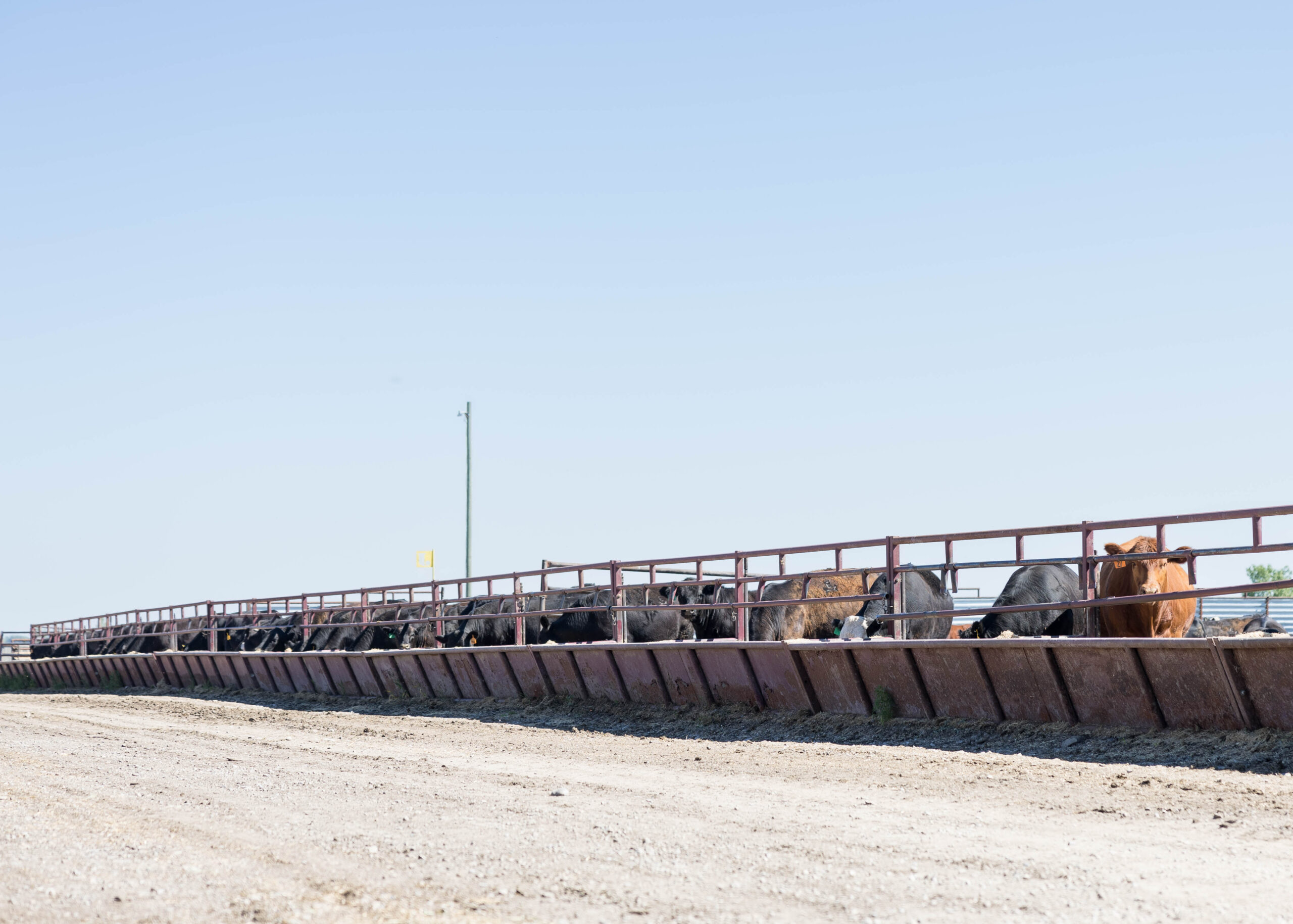
Fall run is one of the busiest times of year for Canadian cattle producers. Before your sell your calf crop, here’s a quick refreshed on how the Canadian Beef Cattle Check-Off applies to your sale. The basics Every time you sell cattle in Canada, a mandatory levy or check-off is deducted which is a combination…
September 2, 2026
Business Tools
Do you own a pre-2002 confined feeding operation without a permit from the NRCB?
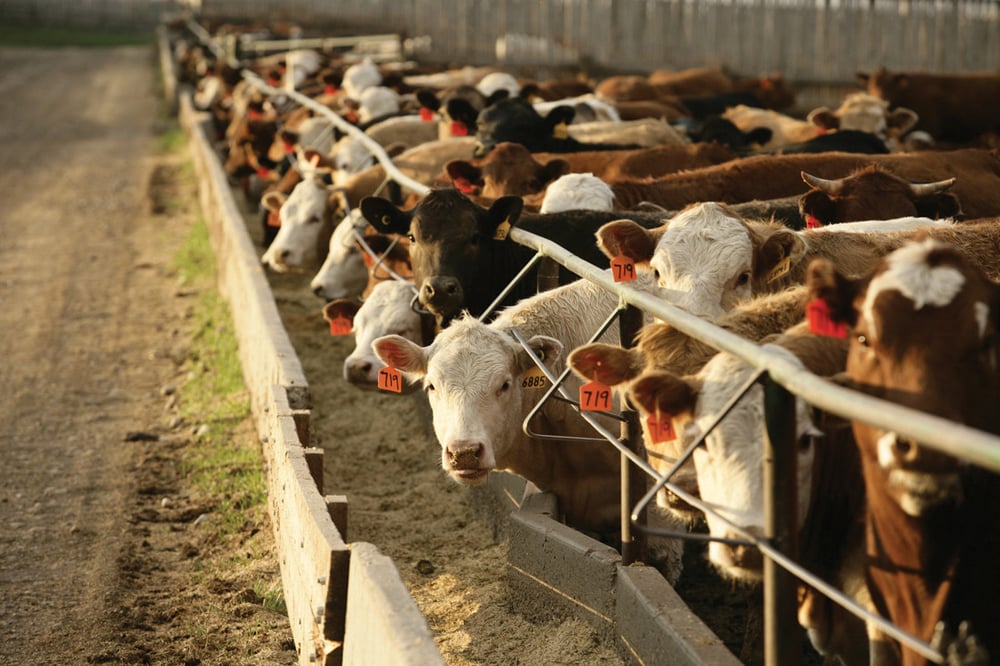
If your confined feeding operation (CFO) was operating before January 1, 2002, and you do not have a permit from the Natural Resources Conservation Board (NRCB) that states your livestock type and livestock capacity, now is a good time to request a formal grandfathering determination from the NRCB. A grandfathering determination provides official documentation of…
August 4, 2026
Business Tools
Results of national feedlot benchmark reveal opportunities
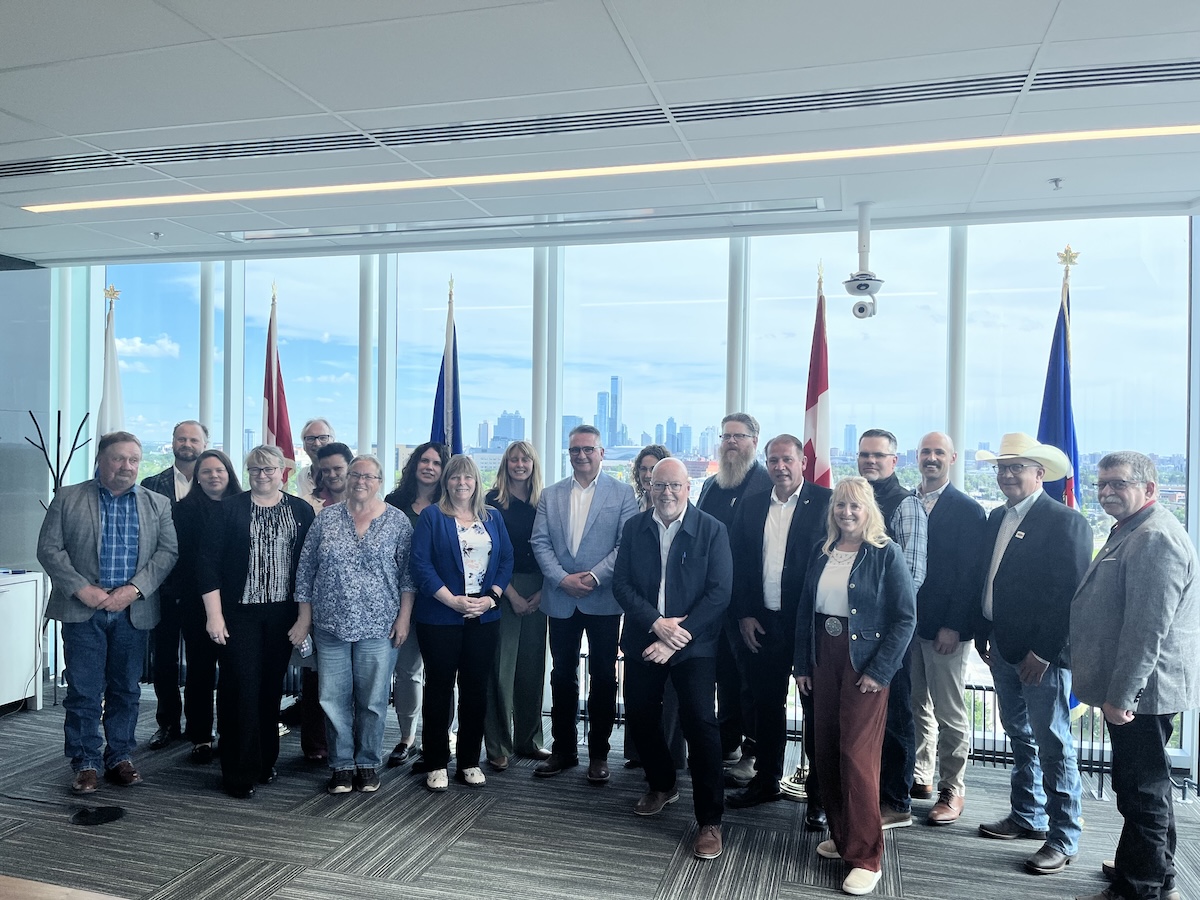
A new national survey of Canadian feedlots is providing the first comprehensive benchmark of management practices across the cattle feeding sector, offering valuable insight into how operations compare on feed, receiving protocols and growth-enhancing technologies. The survey, which collected responses from 87 feedlots across seven provinces, was led by researchers from the University of Saskatchewan,…
July 21, 2026
Business Tools
Alberta Beef Producers welcomes progress on Business Risk Management and priorities outlined in Halifax Statement
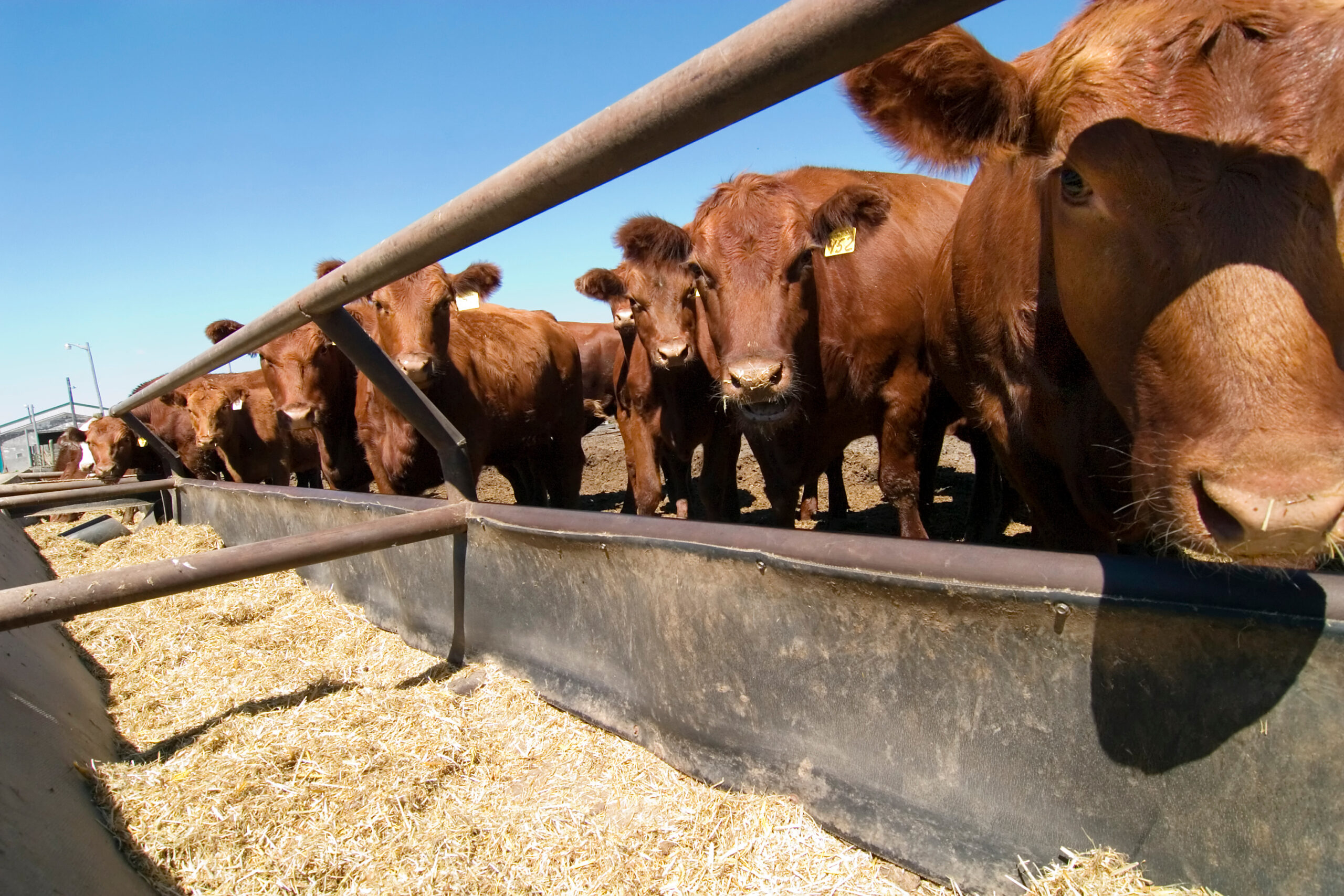
Alberta Beef Producers (ABP) is encouraged by the progress federal, provincial and territorial (FPT) Ministers of Agriculture have made toward strengthening Business Risk Management programs, including AgriStability, while welcoming the broader priorities outlined in the Halifax Statement that align with the needs of Alberta’s cattle producers. Released following the annual conference of FPT Ministers of…
July 16, 2026
Business Tools
BCRC offers tips on navigating feed tests
Feed represents one of the largest input costs in beef production. Without an accurate understanding of its nutritional value, both feed planning and ration formulation becomes largely speculative, increasing the risk of under- or over-supplying key nutrients. Laboratory feed analysis provides a precise assessment of nutrient availability, allowing producers to optimize feed utilization and improve…
Featured
-
Producer Meetings
Who could say no to a $10 supper with friends and colleagues? Join fellow cattle producers for a meal and conversations at upcoming Producer Meetings.
Learn More
Cattle Report
Updated: October 22, 2026
Steers
Live: ---
Rail: 490.00-500.00 del (bids/sales)
Heifers
Live: ---
Rail: 490.00-500.00 del (bids/sales)
Choice Steers
Live: ---
Rail: ---
Choice Heifers
Live: ---
Rail: ---
Boner Cows
Over 500 lbs: 256.45
Canadian Dollar
$71.45 0.10
Livestock Price Insurance Index
| Expiry | Fed | Feeder | Calf |
|---|---|---|---|
| 18-Jan-27 | 292 | 470 | -- |
| 15-Feb-27 | 292 | 460 | -- |
| 15-Mar-27 | 292 | 460 | -- |
| 12-Apr-27 | 298 | 446 | -- |
| 10-May-27 | 304 | 458 | -- |
| 07-Jun-27 | 310 | 462 | -- |
| 05-Jul-27 | 302 | -- | -- |
Last Updated on October 22, 2026