Live: ---
Rail: 500.00 del

{{ weatherTemp }}°C
{{ weatherCity }}

AB Direct - Steers
AB Direct - Heifers
Live: ---
Rail: 500.00 del
Rail: 500.00 del
US Trade- Steers
Live: 226.00 (TX) few
Rail: ---
Rail: ---
US Trade - Heifers
Live: 226.00 (TX) few
Rail: ---
Rail: ---
Canadian Dollar
$70.73
0.32
0.32
Issues & Insights


Featured
-

Producer Meetings
Who could say no to a $10 supper with friends and colleagues? Join fellow cattle producers for a meal and conversations at upcoming Producer Meetings.
Learn More

June 7, 2021
Issues & Insights
Latin labeling and the prairie crocus re-brand
Thanks to one observant reader, we did some digging on the prairie crocus In the May issue of ABP Magazine, our centre-fold featured an incredible photo of a prairie crocus beside an evocative description and its Latin name (or so we thought). Anemone patens Early settlers called this native Anemone the prairie crocus. This resilient perennial…

June 5, 2021
Issues & Insights
Shaping the direction of the CAP successor
If you have thoughts on the Canadian Agricultural Partnership (CAP), now’s your chance to share them, and help shape the direction of the next federal-provincial-territorial agreement. This week, Agriculture and Agri-Food Canada (AAFC) launched the consultation process for CAP’s successor — the Next Agricultural Policy Framework (NPF). Moving from CAP to NPF CAP is a…
June 3, 2021
Issues & Insights
Edmonton-Area Producers: Join the land-use planning conversation
If you work in agriculture, you’re passionate about land-use planning, and the future of agriculture lands, you’ll want to engage with the Edmonton Metropolitan Region (EMR) on the development of a Regional Agriculture Master Plan (RAMP). What is Edmonton Metropolitan Region? Edmonton Metropolitan Region is a nearly 9,500 square-kilometer region around Edmonton. Spread over four…
June 1, 2021
Issues & Insights
Buddy Up: Opening the doors to difficult conversations
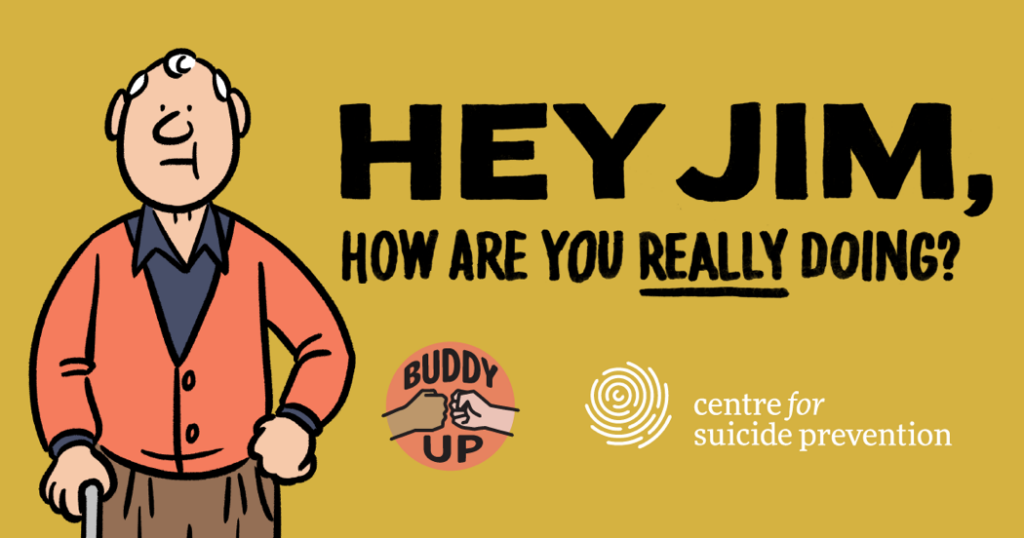
We’ve given our buddies help with processing cattle, or picked up parts for them because we were in town anyway, but how often do we take the time to ask how they’re really doing? Men die by suicide at rates three times higher than women. It’s time to open the doors to difficult conversations. What…
June 1, 2021
Issues & Insights
Branding: More than just a hot iron
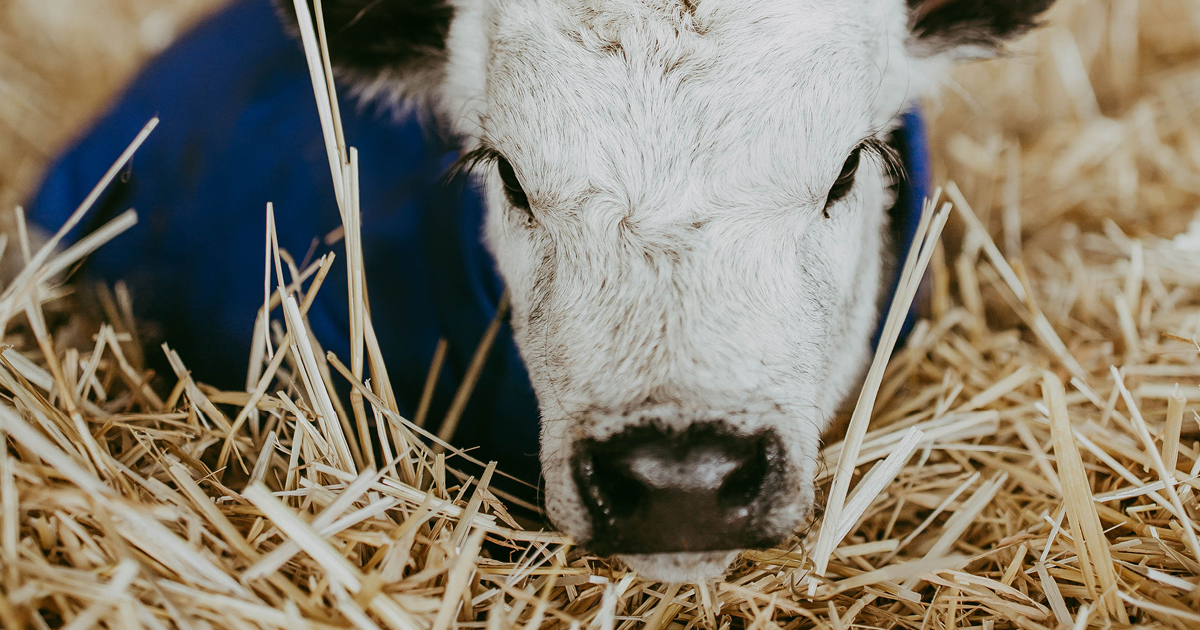
ABP Collaborative Study Gives Insights to Improving Pre-weaning Health and Performance By Elizabeth R. Homerosky, DVM, MSc., DABVP Partner Veterinarian, Veterinary Agri-Health Services For many of us that grew up on a ranch or work in agriculture, “branding” has a much deeper meaning than the roar of branding pot and a hot iron. It symbolizes…
June 1, 2021
Issues & Insights
What We’re Reading | A flood of American cattle is coming north — but the tide may turn
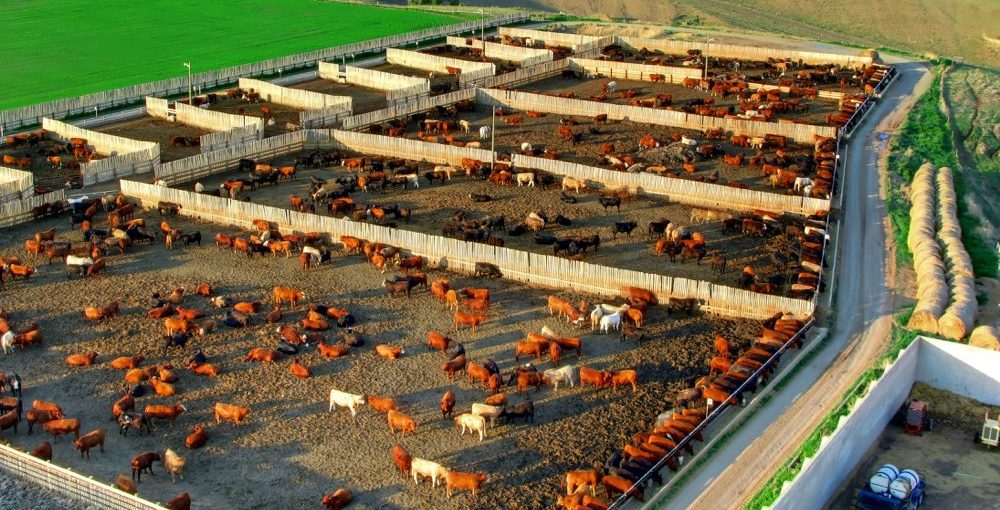
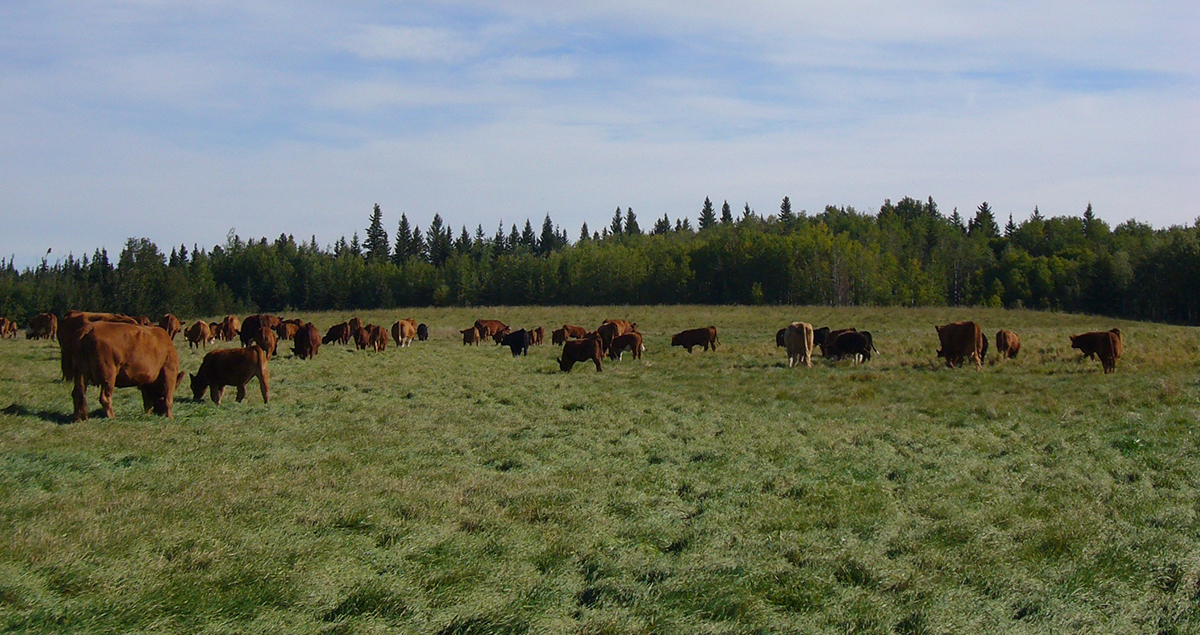
Alberta usually exports cattle but a quarter of a million U.S. cows a year are coming to Western Canada By Jennifer Blair, Alberta Farmer Express Alberta feeder cattle imports have exploded, reaching highs not seen since the early 2000s. But feedlot operators are still struggling to turn a profit, and adding to their woes, the…
May 21, 2021
Issues & Insights
What We’re Reading | Introduce bulls properly to protect health and welfare
By Roy Lewis, DVM, Western Producer Nothing frustrates me more than when big bulls are unnecessarily injured. This happens a lot when bulls are introduced or reintroduced to one another. It also happens when bulls are transported together in trailers. Bull pens must be big enough to allow bulls to escape from one another. Every…

May 19, 2021
Issues & Insights
What We’re Reading: Fractured: The gap between mental well-being and farming
By Krista Baliko, for the University of Regina’s Discourse Research Magazine “When I had my daughter 15 years ago, I experienced postpartum depression and realized I was all alone,” says Cynthia Beck, speaking from her farm south of Regina. “Mental-health services in rural Saskatchewan are not that accessible, and doctors don’t stay long before they…
May 15, 2021
Issues & Insights
What We’re Reading | Bullish for Beef
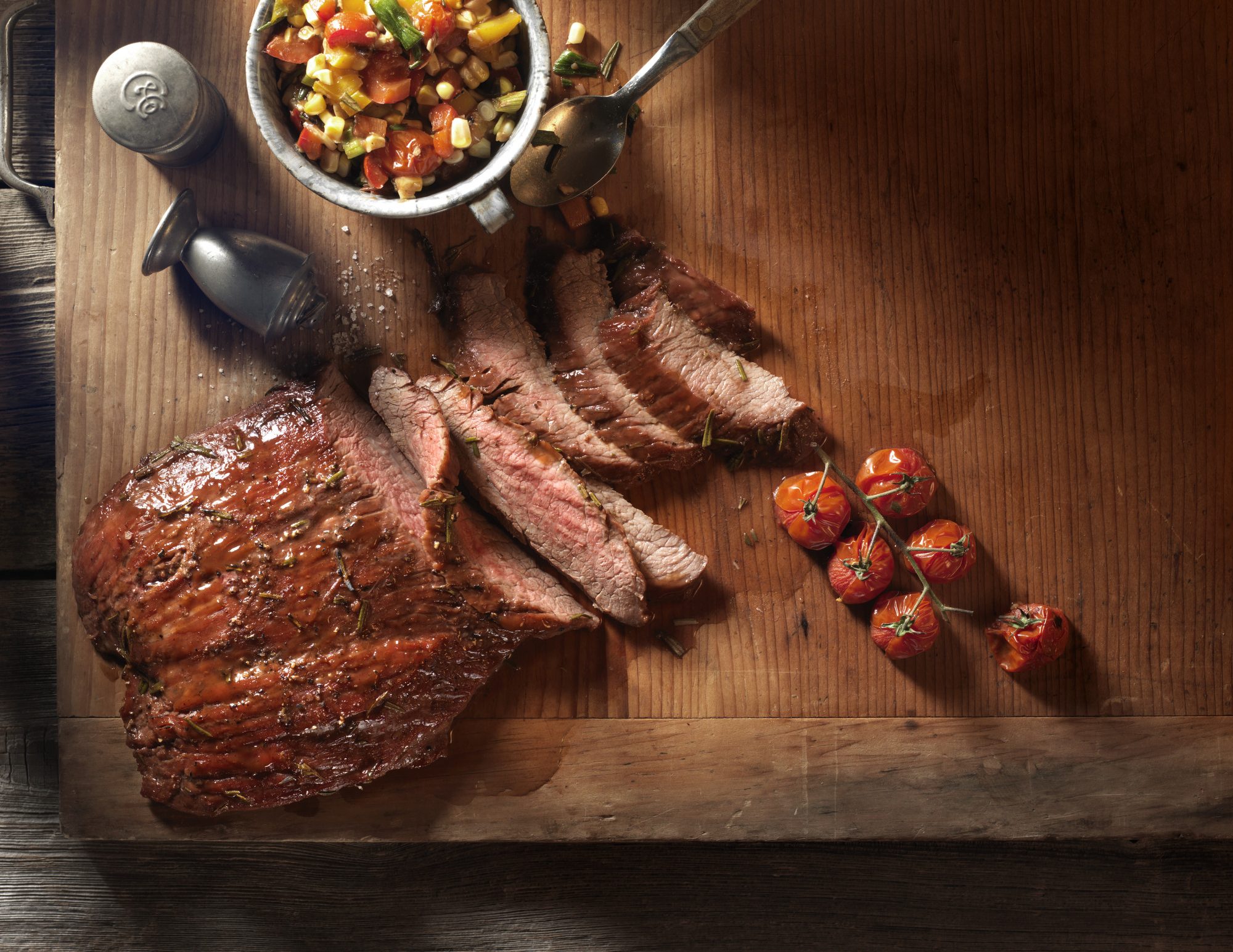
By Temur Durrani, Local Journalism Initiative Reporter, Winnipeg Free Press Who’s got a beef with COVID-19? Turns out, most Canadians. Even the spiralling sticker shocks of rising meat prices and trending plant-based diets during the coronavirus pandemic did not hinder people from their love of sirloin, ribeye or porterhouse steaks. As barbecue season begins across the…
May 14, 2021
Issues & Insights
Dalhousie survey finds Canadians are (still) beef lovers
Undeterred by the global pandemic, Canadians — and Albertans especially — are continuing to enjoy eating beef. According to a survey findings from Agri-Food Analytics Lab at Dalhousie University (in partnership with Angus Reid), a whopping 92% of Canadians are beef eaters, with 65% eating beef at least once per week. Alberta boasts the highest rate of…
May 13, 2021
Issues & Insights
What We’re Reading | Vet Advice: Not all that’s green is edible
By Dr. Ron Clarke, Canadian Cattlemen – The Beef Magazine Plant poisoning is a common problem throughout North America, causing significant losses from sudden death, reproductive failure, poor growth rates, tainting of animal products (milk, meat) and physical damage. Recognizing toxic plants and understanding the effects of toxins on animals is an important aspect of good…
May 12, 2021
Issues & Insights
What We’re Watching | Raised With Care: Stewards of the Land
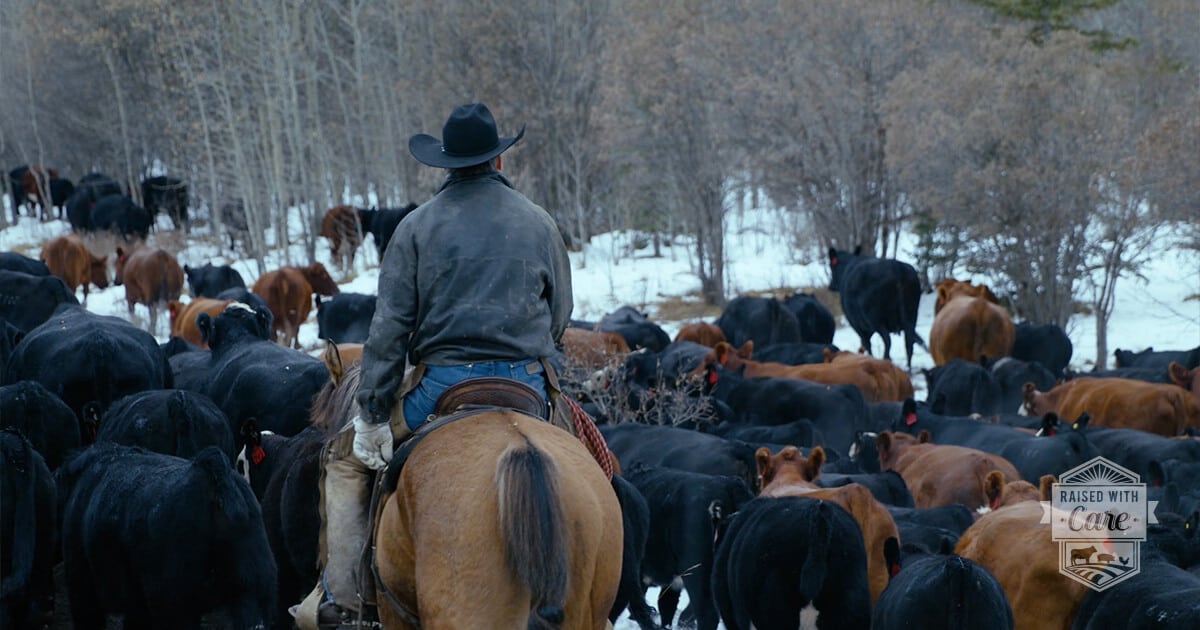
This spring, the Alberta Veterinary Medical Association (ABVMA), in association with Alberta Agriculture and Forestry announced the release of a new documentary. Raised With Care: Stewards of the Land looks at the issue of antimicrobial resistance, and the importance of stewardship from producers, farmers, government, and veterinarians. “Antimicrobial resistance can or will impact all of…
Featured
-
Producer Meetings
Who could say no to a $10 supper with friends and colleagues? Join fellow cattle producers for a meal and conversations at upcoming Producer Meetings.
Learn More
Cattle Report
Updated: October 15, 2026
Steers
Live: ---
Rail: 500.00 del
Heifers
Live: ---
Rail: 500.00 del
Choice Steers
Live: 226.00 (TX) few
Rail: ---
Choice Heifers
Live: 226.00 (TX) few
Rail: ---
Boner Cows
Over 500 lbs: 261.53
Canadian Dollar
$70.73 0.32
Livestock Price Insurance Index
| Expiry | Fed | Feeder | Calf |
|---|---|---|---|
| 08-Feb-27 | 290 | 458 | -- |
| 08-Mar-27 | 290 | 454 | -- |
| 05-Apr-27 | 294 | 452 | -- |
| 03-May-27 | 300 | 450 | -- |
| 31-May-27 | 306 | 456 | -- |
| 28-Jun-27 | 302 | 456 | -- |
| - | - | - | - |
Last Updated on October 15, 2026