Live: ---
Rail: 495.00-500.00 del

{{ weatherTemp }}°C
{{ weatherCity }}

AB Direct - Steers
AB Direct - Heifers
Live: ---
Rail: 495.00-500.00 del
Rail: 495.00-500.00 del
US Trade- Steers
Live: 218.00 (IA, NE)
Rail: 345.00 (NE, IA)
Rail: 345.00 (NE, IA)
US Trade - Heifers
Live: 218.00 (IA, NE)
Rail: 345.00 (NE, IA)
Rail: 345.00 (NE, IA)
Canadian Dollar
$70.27
0.26
0.26
May 15, 2026
Checking in with ABP
Beef research takes spotlight at Animal Nutrition Conference of Canada
Researchers showcased new findings shaping the future of beef production
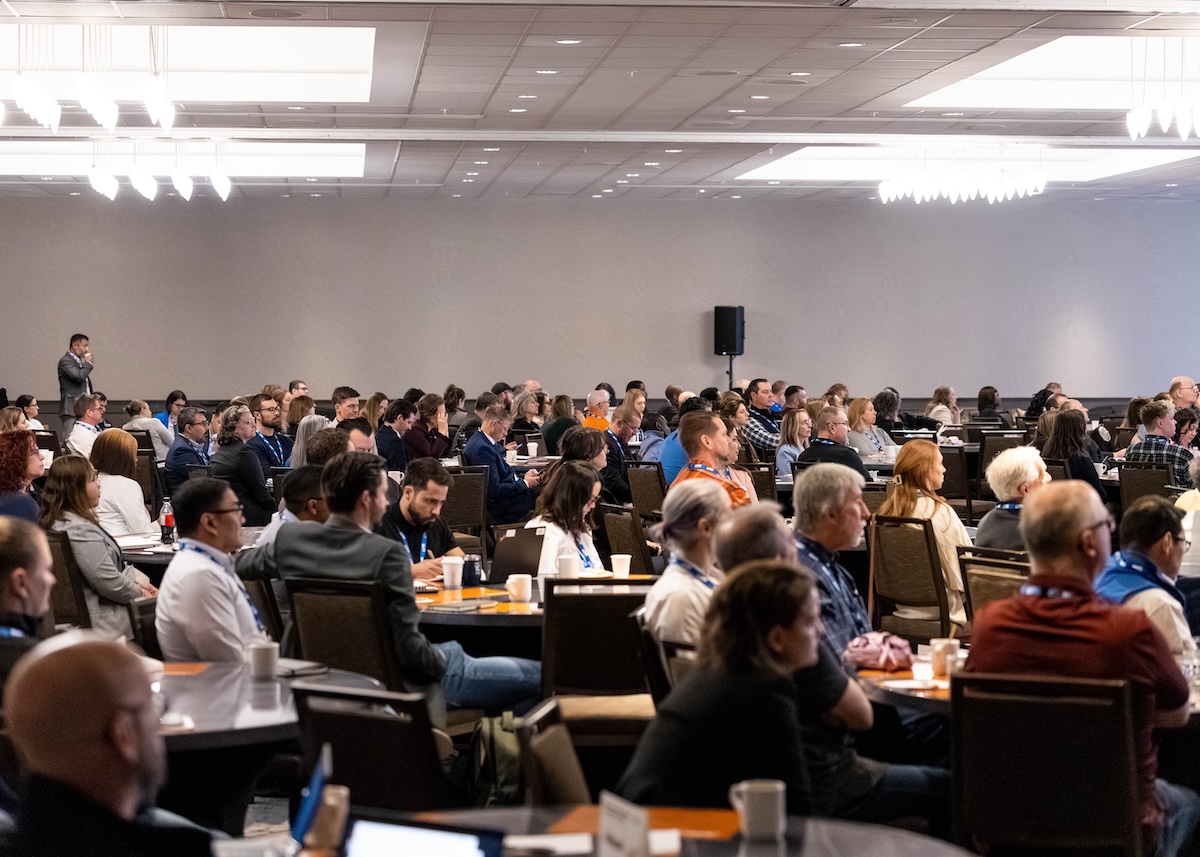
Beef cattle research ranging from forage efficiency to precision livestock systems was front and centre among the latest findings presented at the 10th Animal Nutrition Conference of Canada (ANCC).
Held May 5-7 in Edmonton, the conference brought together researchers, nutritionists, veterinarians and livestock industry representatives from across Canada and internationally under the theme “Nutrition as the Nexus between Crop Production and Animal Rearing.”
Connecting crops and livestock
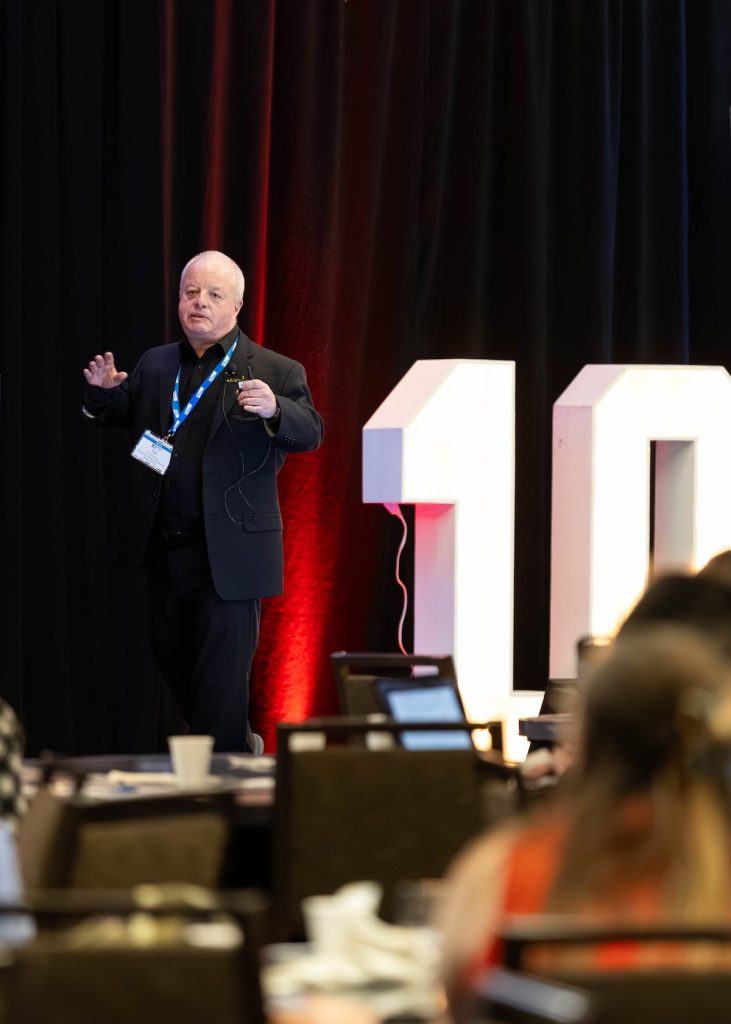
The program covered all livestock species, including a strong lineup of beef cattle and ruminant-focused talks covering forage utilization, feed efficiency, microbiome science, precision livestock systems, nutritional connections to cattle health and crop-livestock integration.
Several sessions highlighted research areas with direct implications for Alberta cattle producers, including improving feed conversion, getting more value from forage resources and enhancing sustainability without sacrificing productivity.
“We’re learning more all the time that animal nutrition is one of the most powerful tools we have to improve performance outcomes,” said Dr. Tim McAllister of Agriculture and Agri-Food Canada, based in Lethbridge, one of many Alberta-based scientists participating.
“Small adjustments in formulation, digestibility and nutrient utilization can translate into meaningful gains in productivity and economic returns. The research we’re seeing today is helping to expand this potential.”
ABP investment generating results
One of the opening ruminant sessions, “Fibre first: Maximizing forage efficiency in ruminants,” featured Dr. Greg Penner of the University of Saskatchewan.
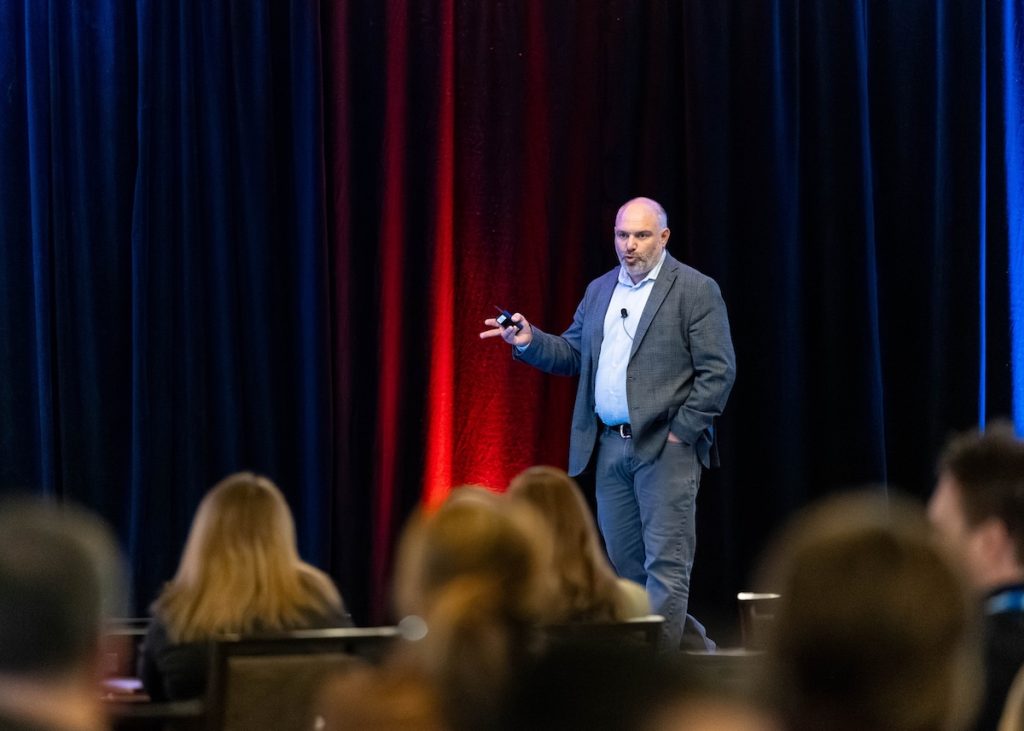
Penner emphasized that forage remains a cornerstone of beef and dairy production systems, but variability in forage quality continues to challenge producers and nutritionists.
The presentation explored how improving fibre digestibility can influence energy capture, average daily gain and feed efficiency, while also helping stabilize cattle performance despite changing forage conditions.
“While forage will remain the foundation of beef cattle diets, a better understanding of fibre digestibility and undigested fibre can significantly improve predictions of cattle performance and feed efficiency,” he said.
Precision livestock systems and sustainability
Other key ruminant-focused sessions included:
- “Integrating crops and livestock: Challenges and opportunities” with Dr. Bart Lardner of the University of Saskatchewan
- “Novel microbiome solutions to improve cattle production sustainability” with Dr. Leluo Guan of the University of British Columbia
- “New perspectives on liver abscesses in feedlot cattle” with Dr. Robert Gruninger of Agriculture and Agri-Food Canada, Lethbridge
- “Nutrition as the intelligent nexus: Integrating precision farming into sustainable ruminant systems” with Dr. Luis Tedeschi of Texas A&M University
- “Forage quality and growth performance of steers grazing oat monocrop and polycrop swaths during winter” with Dr. Obioha Durunna of Lakeland College
Several of the sessions presented research results supported by producer check-off dollars invested by Alberta Beef Producers and/or the Beef Cattle Research Council.
The conference also explored broader themes shaping the future of livestock production, including circular bioeconomy systems, the role of artificial intelligence and Internet of Things (IoT) technologies, greenhouse gas emissions, animal resilience and precision agriculture in modern feeding systems.
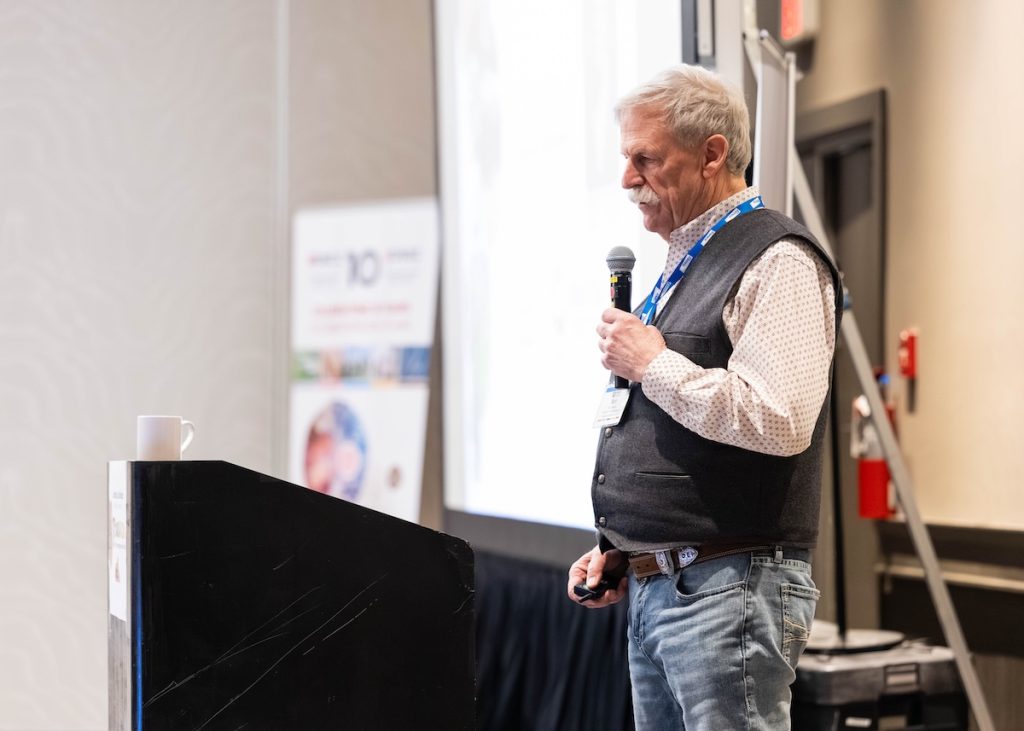
Organizers noted the conference was designed to provide “practical insights and timely research” producers and industry stakeholders can apply in real-world farming systems.
“The discussion around integrated crop-livestock systems increasingly goes beyond simple production efficiency and now includes broader conversations around soil health, nutrient cycling and environmental resilience,” said Lardner. He emphasized the importance of understanding the connections between soil, plants, livestock and long-term farm sustainability.
“Can we keep those cattle grazing more months of the year and reduce the number of days spent in drylot? That’s one of the main questions we’re answering by looking at the broader system and all the interconnections.
“The whole idea is to move that cow out of that pen and barn, out into the field for a longer period of time. There’s ways to do that to reduce feed costs and improve the whole system at the same time.”
Additional information on the conference and proceedings is available through the Animal Nutrition Conference of Canada, which is hosted by the Animal Nutrition Association of Canada.
Share this article on




Latest News
-
October 12, 2026 Checking in with ABP
Contest connects consumers with life on an Alberta ranch
-
October 10, 2026 News
Federal funding to support farm safety programs across Canada
-
October 9, 2026 Current Markets & Forecasts
USDA lowers beef production forecasts as feed grain supplies grow
Cattle Report
Updated: October 9, 2026
Steers
Live: ---
Rail: 495.00-500.00 del
Heifers
Live: ---
Rail: 495.00-500.00 del
Choice Steers
Live: 218.00 (IA, NE)
Rail: 345.00 (NE, IA)
Choice Heifers
Live: 218.00 (IA, NE)
Rail: 345.00 (NE, IA)
Boner Cows
Over 500 lbs: 268.04
Canadian Dollar
$70.27 0.26
Livestock Price Insurance Index
| Expiry | Fed | Feeder | Calf |
|---|---|---|---|
| 04-Jan-27 | -- | -- | -- |
| 01-Feb-27 | 288 | 456 | -- |
| 01-Mar-27 | 286 | 450 | -- |
| 29-Mar-27 | 290 | 448 | -- |
| 26-Apr-27 | 296 | 444 | -- |
| 24-May-27 | 304 | 450 | -- |
| 21-Jun-27 | 302 | 454 | -- |
Last Updated on October 8, 2026