Live: ---
Rail: ---

{{ weatherTemp }}°C
{{ weatherCity }}

AB Direct - Steers
AB Direct - Heifers
Live: ---
Rail: ---
Rail: ---
US Trade- Steers
Live: 246.00*few (KN)
Rail: ---
Rail: ---
US Trade - Heifers
Live: 246.00*few (KN)
Rail: ---
Rail: ---
Canadian Dollar
$72.58
0.20
0.20
Featured
-

Your Thoughts and Ideas on Producer Meetings
We are eager to hear your feedback to help us plan, refine, and continually improve. If you attended a Producer Meeting, our Annual General Meeting, or the Town Hall on Traceability, please take a moment to provide your thoughts and ideas through our quick survey.
ABP Event Feedback Survey -

Add ABP Daily to your homescreen
Want quick access to ABP Daily? Save it as an app icon on your homescreen!
Learn How
April 15, 2021
Issues & Insights
What We’re Reading | Students get virtual taste of real-world life on the farm
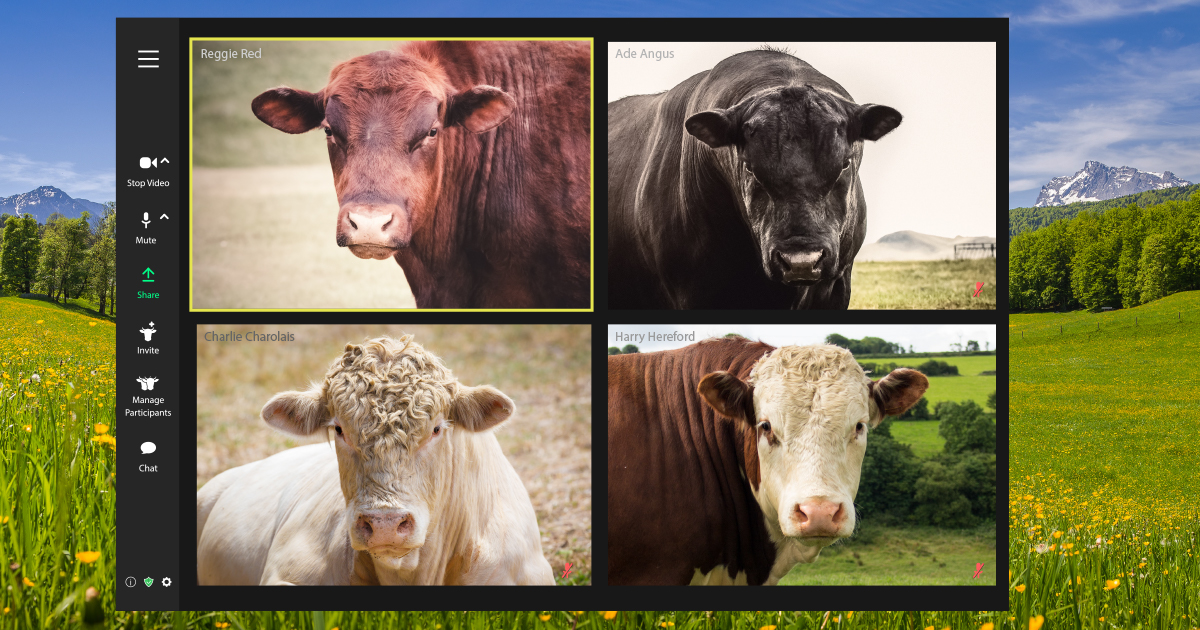
University of Alberta by Bev Betkowski Online classes during COVID-19 can feel a bit distant. But add in 48 farmers and a real-time calf birth, and things perk up considerably. That vivid minute-by-minute experience of watching a Black Angus cow give birth was a matter of lucky timing as Jesse Emery gave University of Alberta…

April 15, 2021
Business Tools
Young Agrarians Releases Free Guide Assisting Farmers Seeking Land in Alberta
The Alberta Land Access Guide is a toolkit built by a team of experts and experienced farmers to help new farmers navigate their land search. Young Agrarians (YA), a farmer-to-farmer educational resource network for new and young regenerative farmers, announced the release of the first edition of the Alberta Land Access Guide this week. The…
April 14, 2021
Issues & Insights
Mandatory Isolation Support for Temporary Foreign Workers Program
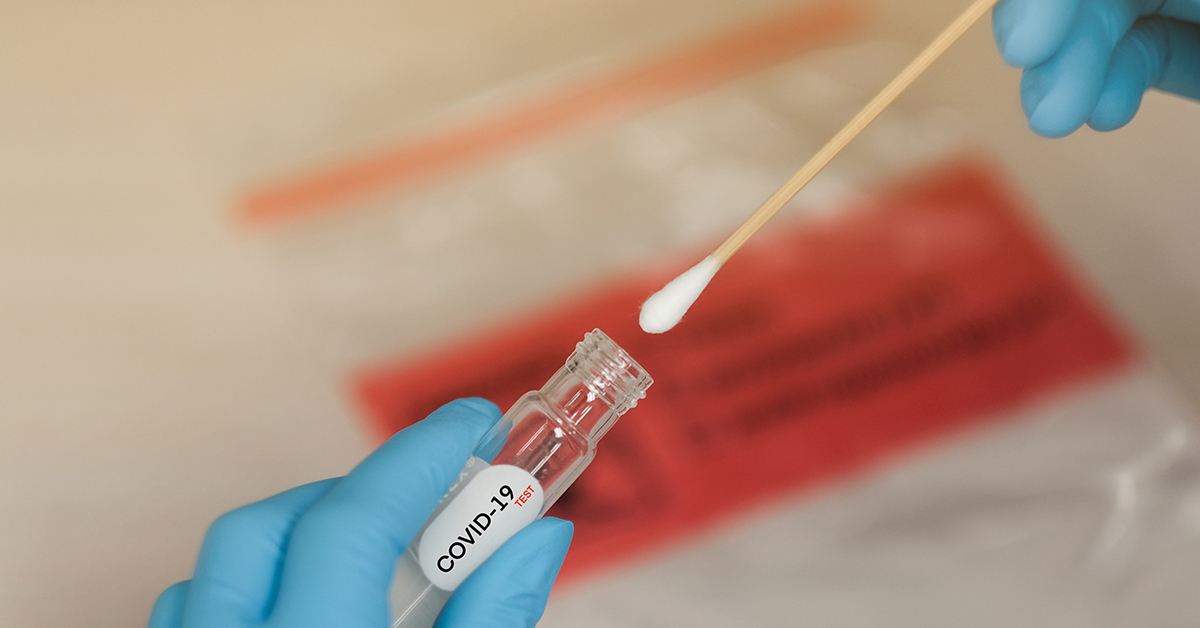
Applications for the 2021 program year will be accepted until 6:00 p.m. EST April 21, 2021 or until funding has been fully committed or until otherwise announced by the program. The 2021 program year begins on January 1, 2021 and will provide funding for workers who arrive in Canada on or after January 1, 2021 and up to April 21,…

April 13, 2021
Checking in with ABP
Check-off at Work | CCA co-hosts UN Food Summit dialogue
Later this month, the Canadian Cattlemen’s Association (CCA) joins the Nature Conservancy Canada (NCC) in hosting a virtual conversation series in anticipation of the upcoming United Nations Food Systems Summit. The Summit will be an influential policy discussion and CCA wants to ensure Canada’s livestock sector is part of the narrative. This dialogue, entitled Grazing…
April 13, 2021
Checking in with ABP
Check-off at Work | Canada Beef new look website
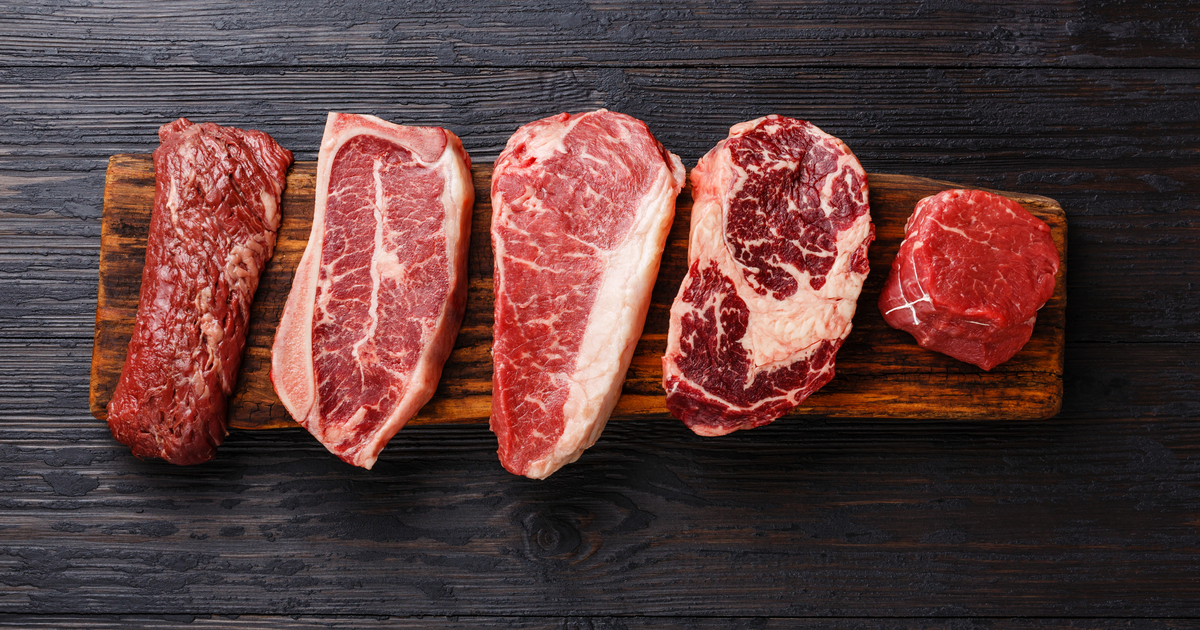
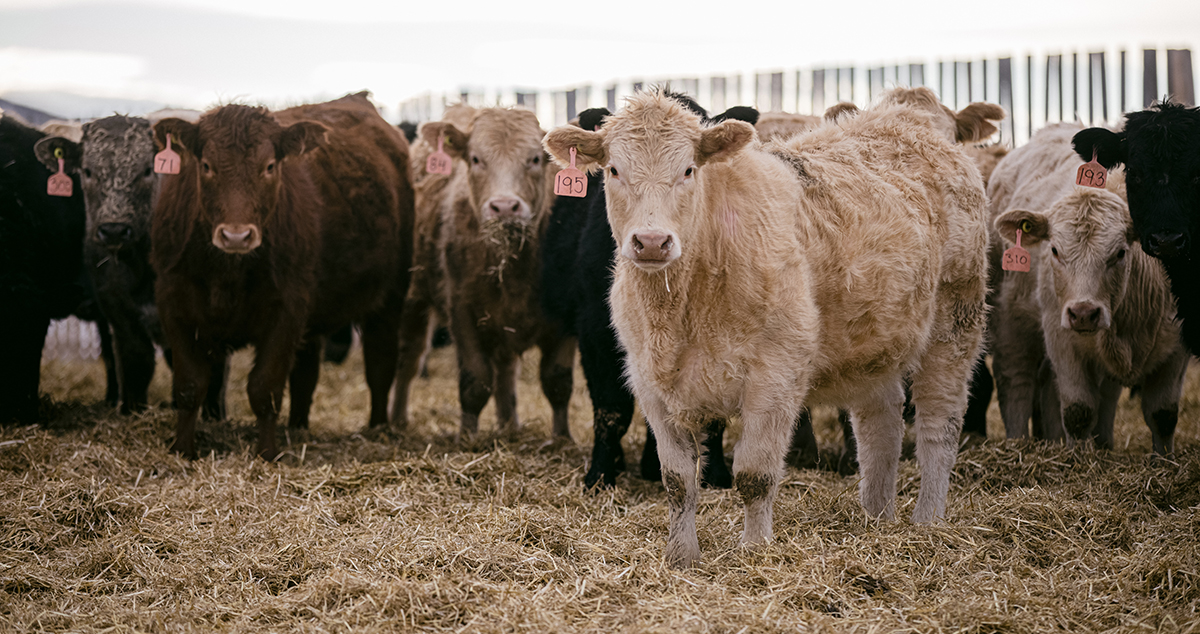
It’s time for a website refresh. Canada Beef’s website is popular with customers and industry members with over 869,000 users a year. Over half (52%) of the website traffic comes from online searches with Google as the number one search engine used. In terms of demographics, the largest age group of users are aged 25…
April 12, 2021
Current Markets & Forecasts
Canfax Weekly Article | Report for the week of April 12, 2021
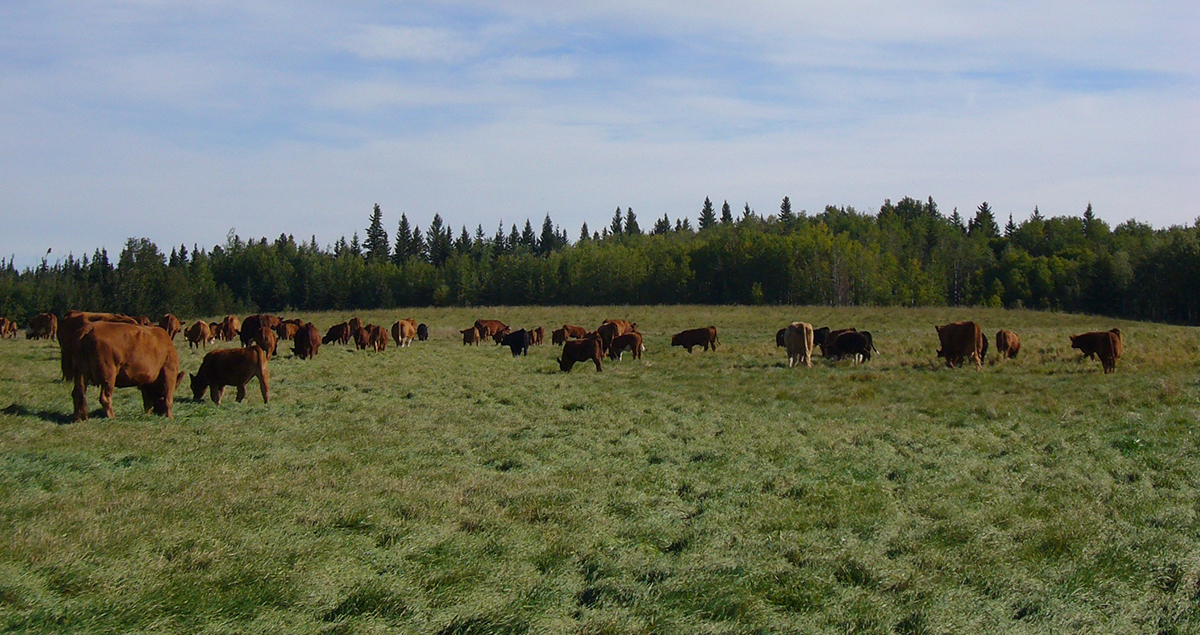
Dressed sales started out last week at $250/cwt delivered and light live steer trade was comparable at $150/cwt. Bids firmed to $253/cwt by Thursday to encourage moderate volume follow up trade. Light heifer trade was reported comparable with steers, but sale volumes were too slight to establish a weekly trend. With a Friday holiday the…
April 9, 2021
Business Tools
Check-off at Work | Forage U-Pick: An Interactive Forage Species Selection Tool For Western Canada
Beef Cattle Research Council Forage U-Pick tool, currently applicable to Western Canadian producers with a national version expected to launch by 2023, is a tool designed to provide users with information for forage selection, forage seeding rates, and weed management. The Forage U-Pick tool allows you to select specific criteria to narrow down the options of…

April 9, 2021
Issues & Insights
Alberta Wildfire launches brand new mobile app
Download the new Alberta Wildfire Status app to stay up-to-date with everything wildfire in Alberta. Alberta Wildfire launched a brand new application in March for Albertans and those who want to know more about wildfire in the province. The new application has many features, including the ability to search for specific information such as fire…

April 8, 2021
Issues & Insights
What We’re Reading | Alberta will vaccinate 2,000 employees at Cargill meat packing plant
The Globe and Mail by Carrie Tait Alberta intends to offer vaccines to about 2,000 meat-packing employees at their worksite this month as part of an effort to target citizens most at risk of contracting the coronavirus and who might otherwise struggle to access or accept shots. A mass vaccination clinic for employees at Cargill…

April 8, 2021
Checking in with ABP
ABP welcomes new marketing and communications staff members
Alberta Beef Producers (ABP) is pleased to welcome Debra Murphy and Lindsay Westren to the marketing and communications team, effective April 12 and 14, respectively. Lindsay joins the team as the Marketing and Communications Manager, where she will be responsible for overseeing the ABP magazine and online platform. ABP’s marketing communications aim to increase brand…
April 8, 2021
Trailblazers
ABVMA proudly releases new documentary on antimicrobial resistance awareness
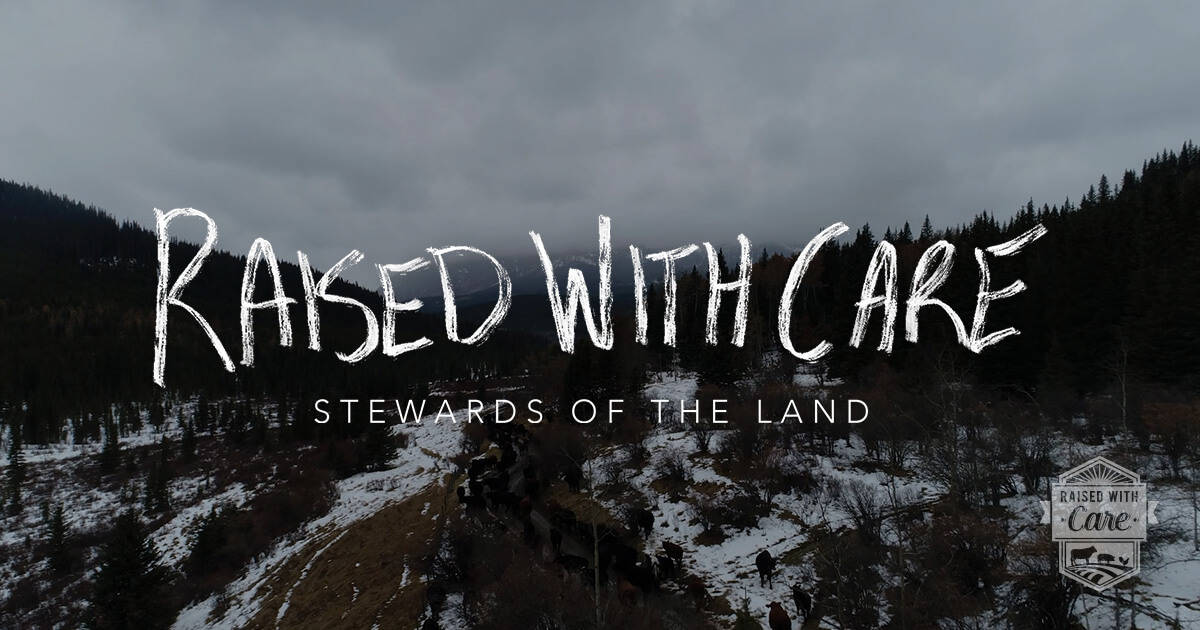
The Alberta Veterinary Medical Association (ABVMA) is pleased to announce the release of a new documentary called Raised With Care: Stewards of the Land Even before the global spread of a deadly virus had profound effects on businesses, schools, and entire economies, scientists had already sounded the alarm about another potentially catastrophic global public health crisis:…
April 8, 2021
Issues & Insights
National Farmed Animal Health and Welfare (NFAHW) Council – March update
The NFAHW Council has put together an informative March newsletter with information on Animal Health Canada’s 2021 priorities, the Canadian Animal Health Surveillance System, and updates from the Animal Health Emergency Management Project and Canadian Livestock Transport. Read the newsletter
Featured
-
Your Thoughts and Ideas on Producer Meetings
We are eager to hear your feedback to help us plan, refine, and continually improve. If you attended a Producer Meeting, our Annual General Meeting, or the Town Hall on Traceability, please take a moment to provide your thoughts and ideas through our quick survey.
ABP Event Feedback Survey -
Add ABP Daily to your homescreen
Want quick access to ABP Daily? Save it as an app icon on your homescreen!
Learn How
Cattle Report
Updated: April 9, 2026
Steers
Live: ---
Rail: ---
Heifers
Live: ---
Rail: ---
Choice Steers
Live: 246.00*few (KN)
Rail: ---
Choice Heifers
Live: 246.00*few (KN)
Rail: ---
Boner Cows
Over 500 lbs: 324.29
Canadian Dollar
$72.58 0.20
Livestock Price Insurance Index
| Expiry | Fed | Feeder | Calf |
|---|---|---|---|
| 06-July-26 | 326 | -- | -- |
| 03-Aug-26 | 322 | -- | -- |
| 31-Aug-26 | 314 | 482 | -- |
| 28-Sept-26 | 310 | 482 | 596 |
| 26-Oct-26 | 302 | 476 | 594 |
| 23-Nov-26 | 296 | 468 | 590 |
| 21-Dec-26 | 298 | 462 | 592 |
Last Updated on April 9, 2026